Technique Guide
What Is a Dink in Pickleball?
The dink is the shot that separates bangers from strategists. Master this soft, arcing touch shot and you control the pace of every point at the kitchen line.
A dink is a soft, controlled shot hit from near the non-volley zone that arcs gently over the net and lands in your opponent's non-volley zone — the "kitchen." The goal is not to win the point outright but to keep the ball low and unattackable, resetting the rally into a patient, soft exchange and drawing your opponents forward until one of them makes a mistake or gives you a ball you can attack.
If pickleball's power shots are the loud part of the game, the dink is the quiet conversation that actually decides most points among skilled players. It is the heart of the "soft game," and learning it is the clearest dividing line between beginners who just try to hit hard and players who genuinely control a rally.
The kitchen: why the dink exists
The dink only makes sense once you understand the rule that created it. According to USA Pickleball, there is a seven-foot zone on each side of the net — officially the non-volley zone, universally nicknamed the kitchen— where you are not allowed to volley the ball (hit it out of the air). To hit a ball while standing in the kitchen, you must let it bounce first.
That single rule changes everything at the net. Because you cannot simply stand at the line and smash every ball out of the air, both teams are forced into a soft, controlled exchange when the ball is low. Hit a ball too high near the kitchen and your opponent will let it bounce and drive it, or step back and attack it. The dink is the answer: a shot soft and low enough that it lands in their kitchen and cannot be volleyed or attacked, keeping you safe while you wait for an opening.
Why the dink wins games
At the recreational level, points are often won by whoever hits hardest. As players improve, that flips: hard shots get blocked and countered, and the reliable way to win a point is to be more patient than the other team in the soft game. The dink is the tool for that patience.
It matters for three reasons. First, it neutralizes power— a good dink gives your opponent nothing to attack, so their pace advantage disappears. Second, it creates openings by pulling opponents forward and side to side until one of them pops a ball up high enough for you to put away. Third, it is the natural partner of the third-shot drop, the soft shot the serving team uses to land the ball in the kitchen and buy time to move up to the net; once everyone is at the line, the rally becomes a dinking battle. Win the dinking battle and you win the point — which is why dinking practice is where improving players spend a huge share of their time.
How to hit a dink, step by step
A dink is a push, not a swing. The motion is small, soft, and controlled — you are placing the ball, not hitting it. Here is the sequence:
- Get to the kitchen line and get low.Dinking happens with both feet just behind the non-volley line. Bend your knees and lower your body so you are closer to the ball's height rather than reaching down for it.
- Use a continental grip and a relaxed hand. A loose grip lets the paddle absorb pace instead of adding it. Squeezing tight is the fastest way to send dinks too high.
- Contact the ball out in front of you. Meet it in front of your body, not beside or behind you, so you can see the shot and guide it. Keep your wrist firm and quiet.
- Push up and forward from the shoulder.Lift the ball gently with a short motion from your shoulder, letting the paddle face "carry" the ball up and over the net. There is little to no backswing and only a small follow-through.
- Aim low over the net and into the kitchen.Target the ball to clear the net by just a foot or so and land in your opponent's non-volley zone. The lower and softer it lands, the harder it is for them to do anything with it.
- Reset and stay ready.After the shot, return your paddle to a neutral, ready position in front of you and prepare for the next dink. Dinking rallies can last many shots — patience is the point.
Common dinking mistakes
Most dinking errors trace back to trying to do too much. The fixes are simple once you know what to watch for.
- Dinking too high. The number-one mistake. A dink that floats up gives your opponent a ball to attack. Aim to clear the net low and let the ball drop into the kitchen.
- Gripping too tight. A tense hand adds pace you do not want and sends the ball long or high. Relax your grip so the paddle absorbs the ball.
- Swinging instead of pushing. A big backswing turns a soft touch shot into an accident. Keep the motion short and controlled, from the shoulder.
- Standing too far back.Dinking from no-man's-land (the mid-court) leaves you reaching and vulnerable. Get all the way up to the kitchen line.
- Impatience. Trying to end a dink rally too early by forcing an attack on a ball that is too low is how you hand over points. Wait for the ball that is genuinely high enough to attack.
The right paddle for dinking
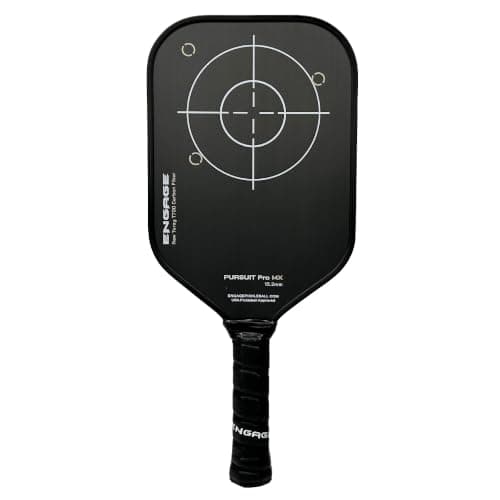
Technique matters far more than equipment, but the right paddle makes the soft game easier. Dinking rewards control and touch: a plush, thicker (16mm) core absorbs pace and gives you the soft, predictable feel you want for placing the ball, and a raw-carbon face adds the grip to shape dinks and keep them low. Those are exactly the traits we look for in the best control paddles. If you are brand new, a forgiving beginner paddle makes learning the soft game easier before you specialize. And when you are ready to choose a serious paddle, the full how to choose a pickleball paddle guide covers how weight, core thickness, and face material come together for a soft-game player. Get to the line, stay low, keep it soft — and let the dink do the work.
Next steps: our dinking drills guide gives you nine drills with standards to hit, and what is the kitchencovers the rule that makes the whole soft game possible. If the rest of the court chatter is still losing you — ernes, stacking, ATPs — the pickleball glossary has the lot in plain English.
Frequently asked questions
What is a dink shot in pickleball?
A dink is a soft, controlled shot hit from near the non-volley zone that arcs gently over the net and lands in the opponent's non-volley zone, or kitchen. It is meant to keep the ball low and unattackable, resetting the rally into a patient soft exchange rather than trying to win the point outright.
Why is the dink important in pickleball?
The dink neutralizes power by giving opponents nothing to attack, and it creates openings by pulling them forward and side to side until someone pops a ball up that you can put away. Among skilled players, most points are won in this soft game at the kitchen line, not with power, so dinking is one of the most valuable skills to develop.
What is the difference between a dink and a drop shot?
A third-shot drop is a soft shot hit from near the baseline that arcs into the kitchen so the serving team can advance to the net. A dink is the short, soft touch shot hit from right at the kitchen line during the exchange that follows. Drops get you to the net; dinks keep you there safely while you wait for an opening.
Where does a dink have to land?
Ideally a dink clears the net low and lands in the opponent's non-volley zone, the seven-foot kitchen area on their side. Because a ball landing in the kitchen must be let to bounce and cannot be volleyed, a well-placed low dink is very difficult for opponents to attack.
Why do my dinks keep going too high?
The most common causes are gripping the paddle too tight and swinging instead of pushing. A tense hand and a real swing both add pace, which sends the ball up and gives opponents something to attack. Relax your grip, keep the motion short from the shoulder, contact the ball out in front, and aim to clear the net by only about a foot.
Sources
Keep reading
- Best pickleball paddles for control →
- How to choose a pickleball paddle →Rally & Dink
- Pickleball paddle weight guide →Rally & Dink
- Best pickleball paddles for beginners →
- What is the kitchen in pickleball? →Rally & Dink
- Best dinking drills →Rally & Dink
- The third shot drop, explained →Rally & Dink
- Pickleball terms: the glossary →Rally & Dink
Upgrading your paddle or gearing up to play?
See how we pick, then dig into the paddle roundups and buying guides — honest picks from someone who actually plays, with no inventory to move.