Paddle Roundup
The Best Pickleball Paddles for Intermediate Players in 2026
You've outgrown your starter paddle and you can feel it — you want more spin, more control, and a paddle you won't replace in six months. These are the six I recommend for the 3.0–4.0 player, from a cult-favorite value pick to two flagships worth growing into.
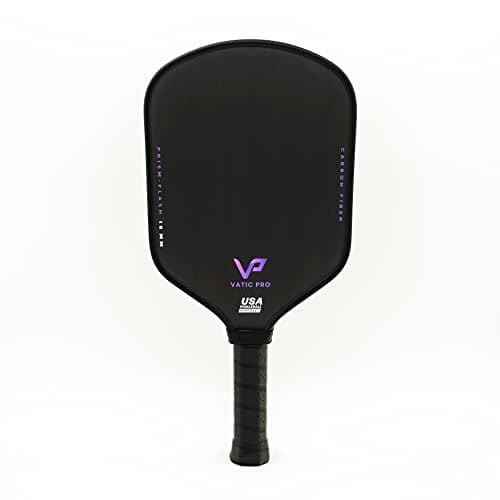
The short answer
Quick picks
| # | Product | Best for | Score | Price |
|---|---|---|---|---|
| 01 | Best overall for intermediates | 4.7/5 | $99.99Amazon | |
| 02 | Best all-court value | 4.4/5 | $106.95Amazon | |
| 03 | Best premium upgrade | 4.4/5 | $149.95Amazon | |
| 04 | Best modern foam-core | 4.3/5 | $229.99Amazon | |
| 05 | Best budget thermoformed | 4.3/5 | $79.99Amazon | |
| 06 | Best for control | 4.2/5 | Check price → |
#ad · Live prices from Amazon as of October 19, 2026; where we have no verified live price we show none. We may earn a commission — see our affiliate disclosure.
The intermediate stretch — roughly the 3.0 to 4.0 player — is where a paddle upgrade pays off the most. You have clean enough contact to feel what a paddle is actually doing, a real soft game at the kitchen, and shots you want to hit harder or spin more. The bundled paddle from your starter setgot you here, but it's now the thing holding you back: not enough spin to shape a topspin drive, not enough control to reset a fast ball. This guide is the fix — six paddles that reward improving mechanics without demanding a tour-level swing, at prices from under $100 to a flagship you keep for years.
My overall pick is the Vatic Pro Prism Flash: a raw T700 carbon face and foam-injected walls deliver a real performance jump for a price that reads like a typo, and its forgiving build suits a developing swing. If you win with touch rather than pace, the Selkirk SLK Evo Controlin the Max shape is the cheapest honest way to get a forgiving control widebody. And if you already know you'll be playing seriously for years, the two flagships near the bottom — the JOOLA Perseus Pro IV and the CRBN TruFoam Genesis — are the paddles worth growing into.
How we picked
We don't sell paddles, and nobody paid for a spot on this list. Every paddle here is one I've played with directly or evaluated against its verified manufacturer specs alongside a lot of court time on the same models — and I say which is which in each write-up. My full approach is on the how we review page.
For an intermediate specifically, I weighed the things that matter once you can actually use them: a raw or grippy carbon face for real, shapeable spin; a 16mm-class core that keeps a soft, connected feel at the kitchen while still driving; and a sweet spot forgiving enough that a slightly off-center ball at speed doesn't sail. Just as important is headroom — a paddle you can keep improving with for a couple of seasons rather than outgrow by next spring. Price-to-performance broke the ties, because most improving players do not need to spend $250 to get a paddle that lasts.
What an intermediate paddle needs
The jump from a starter paddle to a real performance paddle is bigger than the jump between any two paddles on this list. Here is what actually changes when you upgrade, so you can judge any paddle — not just these six.
A raw carbon face for spin you can use. The single biggest upgrade over a starter paddle is a raw (unpainted) carbon-fiber face. That texture is what grabs the ball instead of sliding across it, and it's what lets you brush up the back of the ball to bend a topspin drive into the court or bite a slice return. Once your mechanics are clean enough to swing low-to-high, a grippy face turns effort into actual spin — something a smooth composite starter face simply can't give you.
A 16mm core for control with headroom. Most intermediates are best served by a 16mm corerather than a thin power core. Sixteen millimeters keeps the paddle on the control-friendly side — dinks and resets feel soft and connected rather than pingy — while modern construction still lets it drive. A thinner 12–14mm core launches faster but punishes the soft resets you're working hard to develop, so it's usually a later upgrade, not this one. Our paddle weight guide digs into how weight and balance change the feel.
Thermoforming and foam widen the sweet spot. Newer builds change the math. A thermoformed unibody paddle is molded as one piece with a foam-filled perimeter, which stiffens the frame, enlarges the effective sweet spot, and adds pop. Foam cores go further still. The practical payoff for an improving player is forgiveness: an off-center ball comes off more predictably, so you can play aggressively while your consistency catches up.
Shape decides forgiveness versus reach. A widebody spreads the sweet spot side-to-side for maximum forgiveness; an elongated shape adds reach and leverage on drives but narrows the sweet spot top-to-bottom; a hybrid splits the difference. None is "best" — it depends on whether you value safety or reach. If you're not sure which fits your game yet, start with our how to choose a paddle guide.
At a glance
The full field, side by side. Specs are from each manufacturer's listing; live prices are on each buy button below and change frequently.
| Paddle | Face | Core | Shape | Best for |
|---|---|---|---|---|
| Vatic Pro Prism Flash 16mm | Raw T700 carbon | 16mm, foam-injected walls | Elongated | Best overall value |
| JOOLA Perseus 16mm | Charged carbon (CAS) | 16mm honeycomb | Hybrid / Aero Curve | All-court balance |
| JOOLA Perseus Pro IV 16mm | Carbon (Tech Flex) | 16mm Propulsion Core | Elongated | Premium flagship |
| CRBN TruFoam Genesis | Carbon fiber | 100% foam core | Hybrid AeroCurve | Modern foam-core power |
| Ronbus R1.16 Nova | Raw Toray T700 carbon | 16mm, thermoformed | Elongated + edge grid | Budget thermoformed |
| Selkirk SLK Evo Control | Carbon fiber | Polymer, control tuning | Max or XL | Control & forgiveness |
Best overall for intermediates: Vatic Pro Prism Flash 16mm
The Vatic Pro Prism Flash is the paddle I hand friends who say they want "something good but not $200," and it's the single best first step up from a starter paddle. It delivers a genuine raw T700 carbon-fiber face— the same material class used on paddles costing twice as much — over a 16mm core with foam-injected walls that stiffen the frame and widen the sweet spot. The result is a paddle that spins and drives like a performance paddle but stays forgiving enough for a developing swing.
| Surface | Raw T700 carbon fiber (textured) |
|---|---|
| Core | 16mm with foam-injected walls |
| Shape | Elongated |
| Extras | Includes paddle cover |
| Certification | USA Pickleball approved |
What I like: the raw face grabs the ball for real topspin, the foam walls make an elongated paddle far more forgiving than most in its class, and it ships with a cover — remarkable at the price. The honest trade-offs: Vatic is a direct-to-consumer brand, so popular models can sell out, and the raw face needs an occasional wipe-down to keep its bite. For most improving players, it's the smartest money on this list — and it anchors our best paddles under $100 roundup too. Our full Vatic Pro Prism Flash review goes deeper.
Best all-court value: JOOLA Perseus 16mm
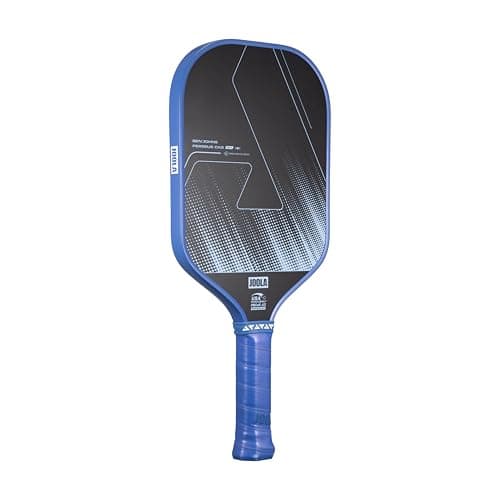
The JOOLA Perseus 16mm is the pick for the player who doesn't want to choose between spin and control. It brings JOOLA's grippy charged carbon surface (CAS) and the forgiving Aero Curve hybrid shapeto a value price, over a 16mm polypropylene honeycomb core. The hybrid profile sits between elongated and widebody, so you get some reach and leverage without shrinking the sweet spot as much — a genuinely all-court paddle from a brand you already trust.
| Surface | Charged carbon (CAS), grippy |
|---|---|
| Core | 16mm polypropylene honeycomb |
| Shape | Hybrid / Aero Curve |
| Grip | Feel-Tec Pure grip |
| Certification | USA Pickleball approved |
What I like: it genuinely plays all-court — it can sit back and reset with a soft 16mm feel, then step up and drive with real spin when the ball sits up. The one thing to keep straight: this is not the thermoformed pro Perseus (that's the Pro IV further down), so judge it on its own very good merits and it over-delivers. It appears in our best spin paddles and best control paddles guides; the full JOOLA Perseus review has more.
Best premium upgrade: JOOLA Perseus Pro IV 16mm
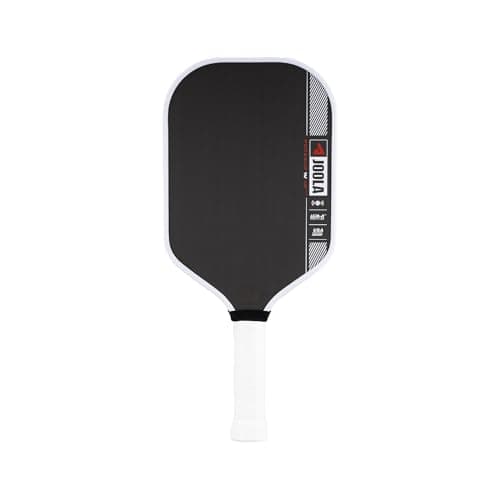
When you already know you're committed and want a paddle for the next several years, the Perseus Pro IV is JOOLA's tour-level flagship. Its Tech Flex Power face and Propulsion Coredeliver serious pop with a surprisingly large, stable sweet spot for an elongated paddle, and the 16mm build keeps enough control that it doesn't feel like a one-dimensional cannon. This is the "grow into it, keep it for years" paddle for an advancing intermediate.
| Surface | Carbon (Tech Flex Power) |
|---|---|
| Core | 16mm Propulsion Core |
| Shape | Elongated |
| Certification | UPA-A + USA Pickleball approved |
| Best for | Committed players who want a flagship |
What I like: flagship power that still resets and holds a line, plus JOOLA's dependable build. What gives me pause: it sits in the premium (~$250) tier, so it's a real investment, and the elongated shape rewards clean contact — it's a paddle you grow into, not a first upgrade. If you like the Perseus feel but aren't ready to spend flagship money, the affordable Perseus 16mm above gets you most of the way there. It also headlines our best power paddles roundup.
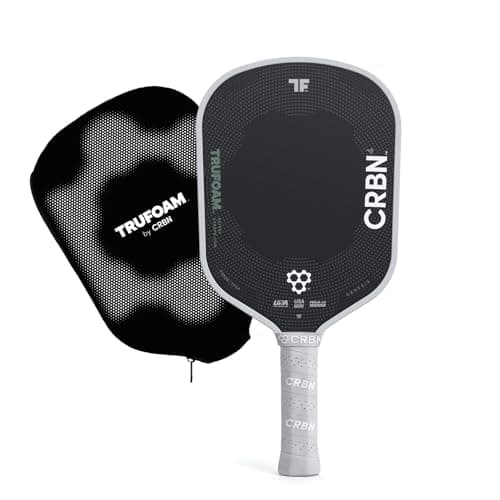
Best modern foam-core: CRBN TruFoam Genesis
Foam cores are the biggest shift in paddle tech right now, and the CRBN TruFoam Genesis is one of the cleanest expressions of it. Instead of a honeycomb core with foam-filled edges, it uses a 100% foam coreunder a carbon face in a hybrid AeroCurve shape. The payoff is power and a big, consistent sweet spot at the same time — the ball comes off hot but the face feels dense and connected, not hollow. For an intermediate who wants the newest performance and plans to keep the paddle a long time, it's a premium look at where high-end paddles are heading.
| Surface | Carbon fiber |
|---|---|
| Core | 100% foam core |
| Shape | Hybrid AeroCurve |
| Tier | Premium (~$280) |
| Best for | Modern power with a big sweet spot |
What I like: the foam core delivers power and forgiveness together, which used to be a contradiction, and the solid, connected feel is excellent. What gives me pause: it's among the priciest paddles here, and foam-core tech is still new enough that long-term durability data is thin — it's a premium bet on the newest thing. For a more proven pick at the same money, the Perseus Pro IV is the safer flagship. It also appears in our best power paddles guide.
Best budget thermoformed: Ronbus R1.16 Nova
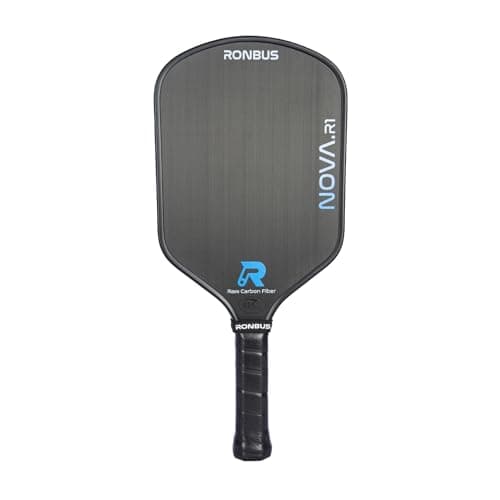
If you want the most modern construction you can get for the least money, the Ronbus R1.16 Nova is the pick. It's thermoformed— molded as one unibody piece with a foam-filled perimeter — wears a raw Toray T700 carbon face, and adds an edge grid for stability, all at a budget price. It plays firmer and more powerful than its cost suggests, giving an intermediate a real taste of the flagship "pops off the face, holds spin" feel.
| Surface | Raw Toray T700 carbon fiber |
|---|---|
| Core | 16mm polypropylene honeycomb, thermoformed |
| Shape | Elongated with edge grid |
| Construction | Unibody thermoformed, foam perimeter |
| Certification | USA Pickleball approved |
What I like: thermoformed unibody construction and a raw carbon face for a budget price — modern tech that used to be pro-tier only. What gives me pause: the thermoformed elongated shape runs slightly head-heavy, which some players love for plow-through and others find takes adjustment in fast hands battles, and as a direct-to-consumer brand availability can be limited. For a similarly priced raw-carbon paddle with a more forgiving feel, the Vatic Prism Flash up top is the alternative — and our full Ronbus R1.16 Nova review compares them.
Best for control: Selkirk SLK Evo Control
If your game is built on touch — dinks, resets, patient placement — the Selkirk SLK Evo Control is the pick that rewards it, and it's the cheapest paddle on this list. A carbon face with a control tuningabsorbs incoming pace instead of springing it back, so blocks stay down and drops land short. It's sold in a widebody Max and a longer XLoutline — take the Max for the more forgiving sweet spot. It comes from SLK, Selkirk's value line, so you get the brand's warranty and distribution without paying flagship money.
| Surface | Carbon fiber |
|---|---|
| Core | Polymer, control-tuned |
| Shape | Max (widebody) or XL (elongated) |
| Brand line | SLK — Selkirk's value line |
| Best for | Intermediates who win with placement, not pace |
What I like: a calm, connected control feel from a major brand for well under $100, which makes it the low-risk way to find out whether a control paddle suits your game. The honest trade-off is construction — value-line build means no foam perimeter, so the sweet spot is smaller than the thermoformed paddles above it here, and it gives up the raw pop and spin bite of the raw-carbon picks. If you love ending points off the drive, look elsewhere on this list. The full SLK Evo Control reviewcovers the details, and it's also in our best control paddles guide.
How to choose your next paddle
Match the paddle to how you actually win points. If you win with touch and placement, prioritize a control widebody like the SLK Evo Max. If you want to add spin and pace, a raw-carbon paddle like the Vatic or Ronbus rewards you. If you refuse to specialize, the all-court Perseus 16mm is the safe middle. Be honest about your game today, not the game you wish you had.
Stay at 16mm unless you have a reason not to.A 16mm core keeps the soft game you're developing intact while still driving. Save the thinner power cores for later, once your reset game is bulletproof — our best power paddlesroundup covers those when you're ready.
Buy for headroom, not just for today.The best intermediate paddle is one you can keep improving with for a couple of seasons. A grippy raw face and a forgiving, modern-construction body give you room to grow your spin and touch — which is exactly why the value picks here punch so far above their price.
Only step up to a flagship when you know you're staying.The Perseus Pro IV and CRBN TruFoam are excellent, but they're a several-hundred-dollar commitment. If you're a few months past your first paddle, start with a value pick and upgrade later — you'll choose better once you know your game. New to gear beyond the paddle? Our pickleball gear guide rounds out the rest of the kit.
The bottom line
For most improving players, the Vatic Pro Prism Flashis the best first step up from a starter paddle — the biggest performance jump per dollar, in a body forgiving enough for a developing swing. Win with touch? The Selkirk SLK Evo Control is the cheapest way into a forgiving control widebody. Want one paddle that does everything? The JOOLA Perseus 16mm. Chasing modern feel on a budget? The Ronbus R1.16 Nova. And when you're ready to invest in a paddle for the long haul, the JOOLA Perseus Pro IV and CRBN TruFoam Genesis are the two flagships worth growing into. Any of them will make your starter paddle feel like a different sport.
Frequently asked questions
What skill level counts as an intermediate pickleball player?
Intermediate usually means roughly a 3.0 to 4.0 DUPR/skill rating: you have consistent clean contact, a working soft game at the kitchen line, and you're starting to add spin and pace intentionally. That's the level where a paddle upgrade pays off most, because you can actually feel and use a grippier face, a more forgiving sweet spot, and a control-friendly 16mm core.
Do I need to spend $200+ on a paddle as an intermediate?
No. Four of our six picks sit at or under about $100 and will take a 3.0 player deep into 4.0 territory — the Vatic Prism Flash, Selkirk SLK Evo Control, JOOLA Perseus 16mm, and Ronbus R1.16 Nova. The two flagships (JOOLA Perseus Pro IV and CRBN TruFoam Genesis) are for players who already know they're committed and want a paddle for several years, not because you need to spend that much to leave a starter paddle behind.
What thickness core is best for an intermediate?
A 16mm core is the best all-around choice for most intermediates. It keeps the paddle on the control-friendly side — soft, connected dinks and resets — while modern construction still lets it drive. Thinner 12–14mm power cores launch the ball faster but punish the soft resets you're working to develop, so they're usually a later upgrade once your touch game is reliable.
Should I choose an elongated, widebody, or hybrid paddle?
It depends on how you play. A widebody (like the SLK Evo Control in the Max shape) spreads the sweet spot side-to-side for maximum forgiveness — best if you win with control. An elongated paddle (like the Vatic or Ronbus) adds reach and leverage on drives but narrows the sweet spot. A hybrid (like the JOOLA Perseus) splits the difference for all-court play. See our how to choose a paddle guide if you're unsure.
Sources
Keep reading
- Best pickleball paddles for beginners →
- Best pickleball paddles under $100 →
- Best pickleball paddles for control →
- Best 16mm pickleball paddles →Rally & Dink
- Best pickleball paddles for spin →
- How to choose a pickleball paddle →Rally & Dink
- Best pickleball paddles for advanced players →
- Best all-court pickleball paddles →
Upgrading your paddle or gearing up to play?
See how we pick, then dig into the paddle roundups and buying guides — honest picks from someone who actually plays, with no inventory to move.