Paddle Review
Franklin Signature Pro 16mm Review
A textured face, a 16mm core and tournament approval for around $50. The Signature Pro is the paddle I point people at when they say they don't want to spend real money yet — and it holds up better than it should.
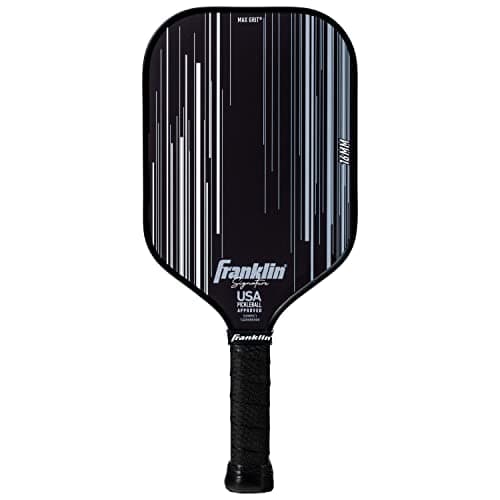
The best paddle most people can buy for under $50 — a real textured face and a proper 16mm core, with the sweet spot you'd expect at the price.
- Best for
- Budget buyers who still want spin and a real soft game
- Price context
- Budget tier, typically under $50
Franklin Sports is the company behind the X-40, the official ball of USA Pickleball, so it has more standing in this sport than its supermarket-aisle presence suggests. The Signature Pro 16mm is its budget performance paddle: a MaxGrit textured surface over a 16mm polypropylene honeycomb core, USAPA tournament approved, usually sold for under $50. This is a research-plus-play review; specs are verified against Franklin's published listing.
Why a $50 paddle can be good now
Five years ago, the honest advice for a budget buyer was "spend more or accept a bad paddle." That has changed, because the two specs that matter most have become cheap to manufacture. A 16mm polypropylene core is now standard tooling, and surface texturing— not the exotic raw T700 weave, but a genuinely grippy face — costs very little to add.
What remains expensive is construction: thermoformed unibody frames, foam-injected perimeters, premium carbon layups. Those buy you sweet-spot size and durability, not the fundamentals. So a well-made budget paddle can now get the fundamentals right and be honestly worse only in the ways that matter least to a developing player.
What MaxGrit actually is
MaxGrit is Franklin's name for its textured playing surface. It is not raw carbon fiber and it does not claim to be — it is a surface treatment designed to grip the ball. In practice it produces noticeably more spin than a smooth graphite or painted face, and noticeably less than a premium raw carbon weave like JOOLA's CAS.
How it plays on court
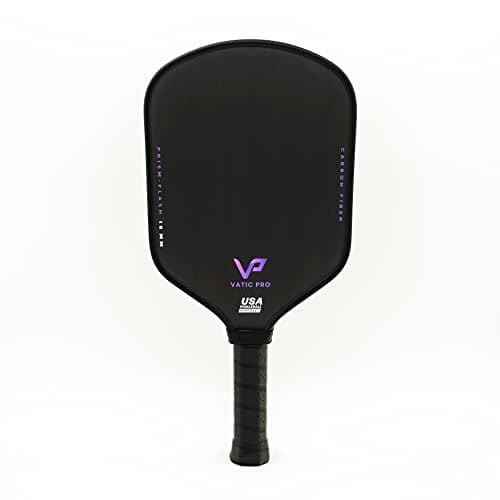
Spin.Better than any $50 paddle has a right to be. You can put topspin on a third-shot drive and get a roll volley to dip. It won't match a Vatic Pro Prism Flash, but the gap is a matter of degree, not of kind.
Soft game. This is where the 16mm core earns its place. Drops and resets are genuinely controllable, which is not true of the thin-core budget paddles that chase pop instead. For a developing player learning to reset, this matters more than anything else on the spec sheet.
Power. Adequate. It is not a paddle that hits through people, and a 16mm polymer core is not trying to be.
Forgiveness. Fine, not exceptional. Conventional construction means a conventional sweet spot; contact toward the edge loses real pace. This is the clearest place the price shows.
Where the price shows
Sweet-spot size. Thermoformed paddles with foam perimeters — the Ronbus R1.16 Nova, for instance — keep more ball speed on off-center hits. If you mishit a lot, that is worth paying for.
Face longevity. As above: expect the grip on the ball to fade sooner than it would on a premium face.
Ceiling.If you improve quickly, you will feel the paddle limiting you within a season — usually first on roll volleys, where face grip matters most. That is not a criticism at this price, just a planning note.
Who it's for (and who should skip it)
Buy it ifyou are new and unwilling to spend more until you know the sport sticks, you need a second paddle for a partner, or you want something legal for sanctioned play without a real budget. It is also an excellent step up from a starter-set paddle — see best beginner sets.
Skip it if you already play twice a week and intend to improve. Another $30 buys thermoformed construction and a raw carbon face; the paddles in best paddles under $100 are a real step up.
How it compares
| Paddle | Face | Core | Where it wins |
|---|---|---|---|
| Franklin Signature Pro 16mm | MaxGrit textured | 16mm polypropylene | Spin per dollar |
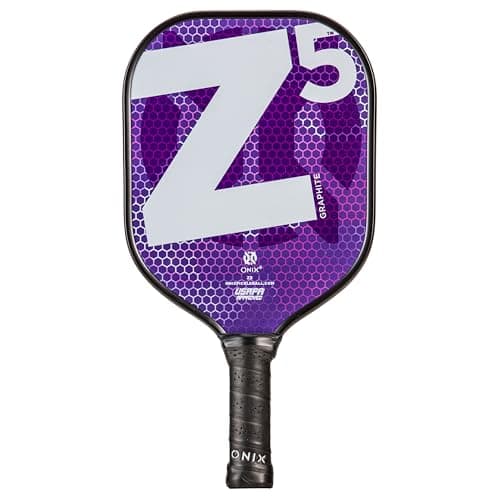
| Onix Graphite Z5 | Graphite (smooth) | Nomex honeycomb | Forgiveness and comfort |
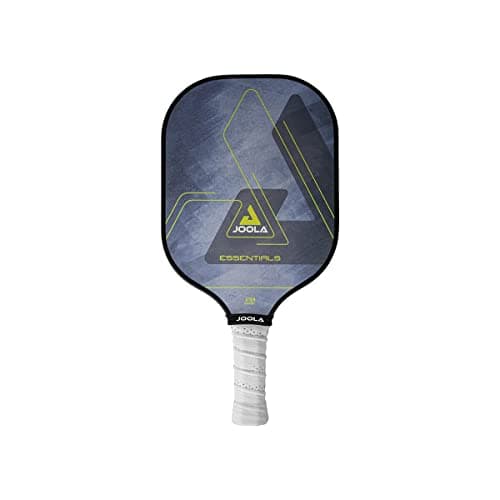
| JOOLA Essentials Performance | Reinforced fiberglass | Polypropylene honeycomb | Softer feel, brand |
| Ronbus R1.16 Nova | Raw T700 carbon | 16mm thermoformed | Construction and ceiling |
Against the Onix Graphite Z5, the Franklin spins more and the Onix forgives more. Against the JOOLA Essentials, the Franklin's textured face and thicker core make it the better learning tool. Against a thermoformed paddle at twice the price, the Franklin loses on sweet spot and holds its own on fundamentals. See best paddles under $75 for the wider field.
Verdict
The Signature Pro is the answer to a specific and very common question: "what's the least I can spend without buying something that will hold me back?" A textured face, a proper 16mm core and tournament approval for under $50 is a lot of paddle. It is not a flagship, the sweet spot is ordinary, and the face will wear — but nothing about it teaches you bad habits, which is the most important thing a cheap paddle can get right. When you outgrow it, our how to choose a paddle guide covers where to go next.
What we liked
- A genuinely textured MaxGrit face — real spin at a budget price
- 16mm polypropylene core keeps the soft game viable
- USAPA tournament approved, so it's legal for sanctioned play
- Franklin's distribution means easy availability and returns
What gave us pause
- Conventional construction — sweet spot is smaller than thermoformed rivals
- Face texture wears faster than premium raw carbon
- You will outgrow it if you improve quickly
Frequently asked questions
Is the Franklin Signature Pro a good paddle for beginners?
It's one of the best budget options for a new player. The 16mm polypropylene core makes drops and resets controllable — the shots beginners most need help with — and the MaxGrit textured face generates enough spin to learn topspin drives and rolls. It's also USAPA approved, so it's legal if you enter a sanctioned event.
What is Franklin MaxGrit?
MaxGrit is Franklin's textured playing surface. It isn't raw carbon fiber and doesn't claim to be — it's a surface treatment designed to grip the ball. It produces noticeably more spin than a smooth graphite or painted face and noticeably less than a premium raw carbon weave, which is a fair position for the price.
Is the Franklin Signature Pro tournament legal?
Yes — it's USAPA tournament approved, which is unusual at this price. As always, verify the exact model and core thickness against the approved list for the body sanctioning your specific event before you enter, since approval attaches to individual variants rather than a whole product line.
How long will a Franklin Signature Pro last?
The paddle itself holds up fine; the face texture is the wearing part. Budget surface treatments abrade faster than premium raw carbon, and rough outdoor courts accelerate that — heavy players may notice reduced spin within a season. Regular cleaning slows the decline. Factor the face in as a consumable when you weigh the value.
Sources
Keep reading
Upgrading your paddle or gearing up to play?
See how we pick, then dig into the paddle roundups and buying guides — honest picks from someone who actually plays, with no inventory to move.