Paddle Roundup
The Best Carbon Fiber Pickleball Paddles in 2026
A carbon face is the single upgrade that most changes how a paddle spins and feels. These six are the carbon paddles I actually recommend — from a $90 value star to a foam-core flagship — and I'm honest about what each one costs you.
The short answer
Quick picks
| # | Product | Best for | Score | Price |
|---|---|---|---|---|
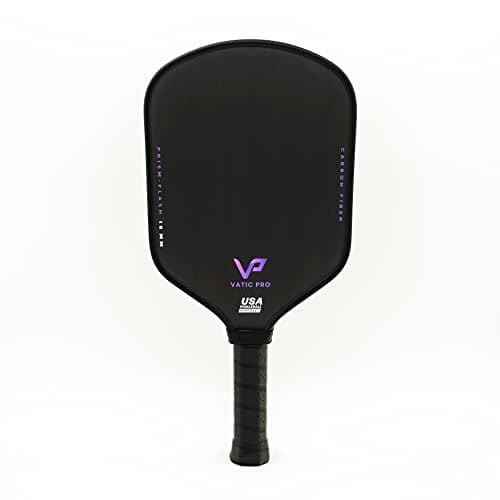
| 01 | Vatic Pro Prism Flash 16mm A raw T700 carbon face and foam-injected walls for a price that reads like a typo. | Best overall | 4.7/5 | $99.99Amazon |
| 02 | 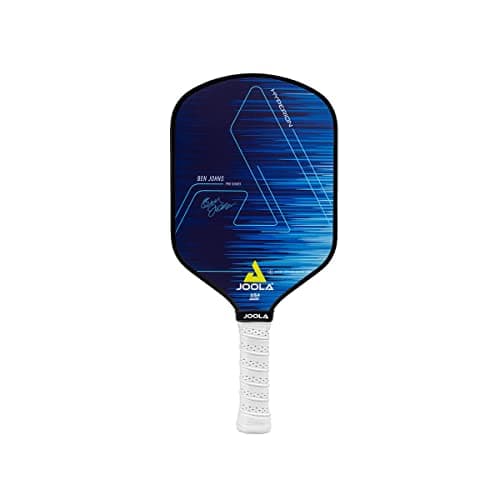 JOOLA Ben Johns Hyperion CAS 16 The Carbon Abrasion Surface sits near the top of the legal spin range. | Best for spin | 4.6/5 | $115.75Amazon |
| 03 | 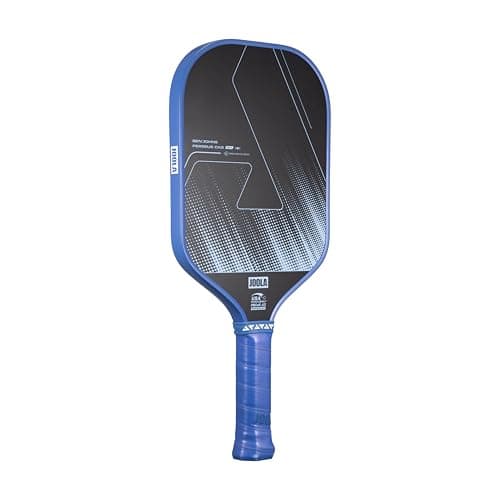 JOOLA Perseus 16mm A grippy charged-carbon face on a forgiving hybrid shape — spin and touch in one paddle. | Best all-court control | 4.4/5 | $106.95Amazon |
| 04 | 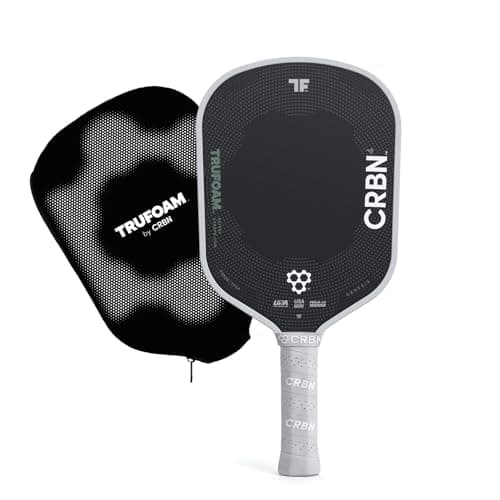 CRBN TruFoam Genesis A carbon face over a 100% foam core — power and a huge sweet spot at the same time. | Best premium | 4.4/5 | $229.99Amazon |
| 05 | 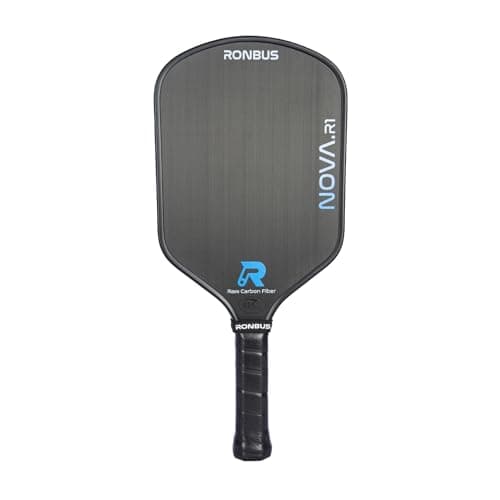 Ronbus R1.16 Nova Thermoformed unibody build and a raw Toray T700 face for well under $100. | Best budget | 4.3/5 | $79.99Amazon |
| 06 | 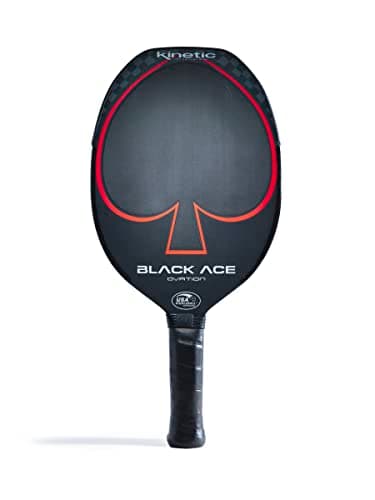 ProKennex Black Ace Ovation A Toray 700 carbon face with Kinetic damping for players nursing a sore arm. | Best for arm comfort | 4.2/5 | $104.99Amazon |
#ad · Live prices from Amazon as of October 20, 2026; where we have no verified live price we show none. We may earn a commission — see our affiliate disclosure.
"Carbon fiber" is the two words you see stamped on nearly every paddle worth buying right now, and it's genuinely the material that decides how a modern paddle spins and feels. But it's also become a marketing sticker: a painted composite face with a thin carbon layer underneath is a very different thing from a raw, unpainted carbon face that actually grabs the ball. The difference is the whole reason this page exists. Every paddle here earns the carbon label the way it matters — a textured carbon surface you can feel bite the ball — and I've ranked them by what you get for the money rather than by whose logo is biggest.
My overall pick is the Vatic Pro Prism Flash 16mm: a raw T700 carbon face and foam-injected walls that deliver a real performance jump for about a hundred dollars. If spin is the specific reason you want carbon, the JOOLA Ben Johns Hyperion CAS 16 has one of the grippiest legal faces in the game. And if your budget is genuinely open and you want to see where high-end paddles are heading, the foam-core CRBN TruFoam Genesis is the flagship worth growing into. Six paddles, one material, and an honest word on what each one gives up.
How we picked
I don't sell paddles and nobody pays for a spot on this list. Every paddle here is one I've either played with directly or evaluated against its verified manufacturer specs alongside a lot of court time on the same models — and I say which is which in each write-up. My full process is on the how we review page.
For a carbon-specific roundup I weighted three things, in this order. First, the face itself — is it a raw or abrasion-treated carbon surface with real grit, or a smoother finish trading spin for a longer-lasting look? Second, what the core does with that face: a 16mm carbon paddle plays soft and control-friendly, a thermoformed or foam build turns the same face into a power tool, and an 11mm build goes firm and fast. Third, value, because the best news in pickleball is that a genuine raw-carbon paddle no longer costs $200. Where a paddle's weakness matters for a specific reader, I say so rather than burying it.
Every spec below is from the manufacturer's published data (sources at the bottom), not from memory. Live prices are on each buy button and change frequently — I quote price brackets in the text, never a stale number.
What a carbon face actually does
Before the picks, the honest framing — because "carbon fiber" means less than the listings imply, and knowing why saves you from overpaying for the word.
Raw carbon is what creates spin, not carbon in general. Spin is just friction between the ball and a textured surface. A raw (unpainted) carbon face — usually a Toray T700 weave — leaves that texture exposed so it grabs the ball and lets you brush up the back of it for topspin. A painted composite face with carbon buried under a smooth coating slides more, no matter what the sticker says. Every face on this page is raw or abrasion-treated for exactly that reason, and it's why these paddles anchor our best paddles for spin roundup too.
The core decides whether that face plays soft or hot. Carbon is only half the paddle. Pair a carbon face with a thick 16mm honeycomb core and you get a soft, connected, control-friendly feel at the kitchen. Pair the same face with a thermoformed unibody, a foam core, or a thinner 11–13mm build and it turns firm and powerful. That's why two "carbon fiber" paddles can feel like completely different tools — and why our how to choose a paddle guide spends as much time on the core as on the face.
The grit wears, so budget for a cleaning. Every raw carbon face gradually fills with ball residue and wears smoother over months of play, which quietly reduces spin. A cheap carbon-fiber paddle eraser restores most of the bite; our paddle care guide covers it. This is normal, not a defect — but it's the one carbon-specific chore no listing mentions.
At a glance
The full field, side by side. All figures are manufacturer-published; live prices are on each buy button below and change frequently.
| Paddle | Face | Core | Shape | Best for |
|---|---|---|---|---|
| Vatic Pro Prism Flash 16mm | Raw T700 carbon | 16mm, foam walls | Elongated | Overall value |
| JOOLA Hyperion CAS 16 | Carbon Abrasion Surface | 16mm honeycomb | Elongated | Spin |
| JOOLA Perseus 16mm | Charged carbon (CAS) | 16mm honeycomb | Hybrid Aero Curve | All-court control |
| CRBN TruFoam Genesis | Carbon fiber | 100% foam core | Hybrid AeroCurve | Premium |
| Ronbus R1.16 Nova | Raw Toray T700 carbon | 16mm, thermoformed | Elongated | Budget |
| ProKennex Black Ace Ovation | Toray 700 carbon | 11mm honeycomb | Standard | Arm comfort |
Best overall: Vatic Pro Prism Flash 16mm
The Prism Flash is the paddle I hand more people than any other, and it's the one that best answers "what carbon paddle should I actually buy?" for most players. The headline is a raw T700 carbon face — the same material class used on paddles costing twice as much — over a 16mm core with foam-injected walls. The raw face bites the ball for real spin, and the foam walls stiffen the frame while widening the sweet spot, which matters on an elongated paddle where the sweet spot is naturally narrow.
On court it plays like a true all-court paddle: the 16mm core keeps dinks and resets soft and connected, while the raw face and elongated shape give you spin and reach when you want to drive. It ships with a cover and is USA Pickleball approved. For a hundred dollars, it's the clearest value in carbon right now.
| Surface | Raw T700 carbon fiber (textured) |
|---|---|
| Core | 16mm with foam-injected walls |
| Shape | Elongated |
| Extras | Includes paddle cover |
| Certification | USA Pickleball approved |
What I like: raw-carbon spin and a forgiving build for a price that reads like a typo; a genuine all-court feel that doesn't force you to choose between touch and offense. What gives me pause: Vatic is a direct-to-consumer brand, so popular colors and configurations sell out, and retail returns are less convenient than a big-box paddle. The raw face also needs the occasional clean to keep its bite. Full details in the Vatic Pro Prism Flash review, and it anchors our best paddles under $100 roundup.
Best for spin: JOOLA Ben Johns Hyperion CAS 16
If the specific reason you want carbon is spin, this is the face to beat. JOOLA's Carbon Abrasion Surface (CAS) is a genuinely aggressive, high-grit face that sits right at the top of the legal spin range. Brushing up the back of the ball you feel it grab — topspin drives dip hard inside the baseline and slice returns skid low. It's the paddle a huge share of the pickleball world already plays with, and the 16mm version is the more forgiving, control-friendly build in the line.
The elongated shape adds reach at the kitchen line and a longer arc for spin and serves, and at 8.3 oz average it has the substantial, planted feel a lot of players want. It rewards a developing-to-advanced swing.
| Surface | Carbon Abrasion Surface (CAS), high grit |
|---|---|
| Core | 16mm polypropylene honeycomb |
| Shape | Elongated |
| Weight | 8.3 oz average |
| Certification | USA Pickleball approved |
What I like: one of the highest spin ceilings you can legally buy, dependable JOOLA build quality, and a 16mm core that stays forgiving for an elongated paddle. What gives me pause: the elongated sweet spot rewards clean contact, so it's not a beginner's paddle; the gritty face wears smoother over months and needs cleaning to keep biting; and it's a premium price unless you catch it on sale. Full details in the JOOLA Hyperion review, and it leads our best paddles for spin guide.
Best all-court control: JOOLA Perseus 16mm
The Perseus 16mm is the carbon paddle for the player who refuses to pick a lane. Its charged carbon surface grips the ball for real, usable spin, but the story is the shape: the Aero Curve hybrid profile sits between a pure elongated and a widebody, so you keep some reach without shrinking the sweet spot as much. Paired with a control-friendly 16mm core, it's a paddle that can sit back and dink and reset, then step up and drive with spin when the ball sits up.
It's also a lot of brand-name paddle for under a hundred dollars, with JOOLA's comfortable Feel-Tec grip out of the box. For a player who wants one versatile carbon paddle rather than a specialist, it's the easiest recommendation here.
| Surface | Charged carbon (CAS), grippy |
|---|---|
| Core | 16mm polypropylene honeycomb |
| Shape | Hybrid / Aero Curve |
| Grip | Feel-Tec Pure grip |
| Certification | USA Pickleball approved |
What I like: genuine all-court balance — spin and touch in one paddle — and a forgiving hybrid sweet spot at a value price. What gives me pause: this is not the $200-plus thermoformed pro Perseus, so judge it on its own merits rather than expecting the tour paddle's feel; and if you want a single specialty, a dedicated spin or control paddle will out-do it at that one job. Full details in the JOOLA Perseus review, and it appears in our best control paddles guide.
Best premium: CRBN TruFoam Genesis
Foam cores are the biggest shift in paddle tech right now, and the TruFoam Genesis is one of the cleanest expressions of it. Instead of a honeycomb core with foam-filled edges, it uses a 100% foam core under a carbon face in a hybrid AeroCurve shape. The payoff is power and a big, consistent sweet spot at the same time — the ball comes off hot but the face feels dense and connected rather than hollow. For a serious player who wants the newest performance and plans to keep the paddle for years, it's a premium look at where high-end carbon paddles are heading.
| Surface | Carbon fiber |
|---|---|
| Core | 100% foam core |
| Shape | Hybrid AeroCurve |
| Tier | Premium (~$280) |
| Best for | Modern power with a big sweet spot |
What I like: the foam core delivers power and forgiveness together, which used to be a contradiction, and the solid, connected feel is excellent. What gives me pause: it's by far the priciest paddle here, and foam-core tech is still new enough that long-term durability data is thin — it's a premium bet on the newest thing. If you want a more proven flagship at similar money, look at a thermoformed honeycomb paddle instead, and if you're still developing your swing, the cheaper picks above will serve you just as well. It also appears in our best power paddles guide.
Best budget: Ronbus R1.16 Nova
The Nova proves how far carbon has fallen in price. It's thermoformed — molded as one unibody piece with a foam-filled perimeter instead of a face glued to a core — and wears a raw Toray T700 carbon face with an edge grid for stability. That combination gives drives a firm, lively pop and the raw face bites for spin, all for well under a hundred dollars. Thermoforming was a pro-tier feature not long ago; the Nova brings it to a budget price.
| Surface | Raw Toray T700 carbon fiber |
|---|---|
| Core | 16mm polypropylene honeycomb, thermoformed |
| Shape | Elongated with edge grid |
| Construction | Unibody thermoformed with foam perimeter |
| Certification | USA Pickleball approved |
What I like: the most modern construction you can get on a budget, a genuine raw-carbon face, and a stable, connected feel that punches above the price. What gives me pause: the thermoformed elongated build runs slightly head-heavy, so it takes adjustment in fast hands battles at the net; and like the Vatic, Ronbus is direct-to-consumer, so availability can be hit-or-miss. Full details in the Ronbus R1.16 Nova review. If you'd rather a slightly more forgiving, less head-heavy raw-carbon paddle, the Vatic above is my overall pick.
Best for arm comfort: ProKennex Black Ace Ovation
If you play through a sore elbow or shoulder — and a lot of players who ramped up quickly do — this is the carbon paddle to look at first. ProKennex's Kinetic system embeds micro-tungsten beads in the paddle head and handle to absorb impact vibration before it travels into your arm. It's the only genuinely engineered answer to arm pain in this field rather than a marketing adjective, and it still gives you a real Toray 700 carbon face with grip for topspin.
| Surface | Toray 700 carbon fiber |
|---|---|
| Core | 11mm polypropylene honeycomb |
| Dimensions | 16.1" long x 7.75" wide |
| Weight | 7.94 oz average |
| Arm comfort | Kinetic tungsten-bead damping in head + handle |
| Grip | 4" (small) Comfort Pro |
What I like: the vibration damping is real, and for the right player it's the difference between playing four days a week and playing two. What gives me pause: the 11mm core is the thinnest here, so it plays firm, fast and less forgiving — touch shots demand more from you, not less — and the 4" grip is small for most hands, so budget for an overgrip. Note the honest tension too: a thin, poppy core isn't the obvious choice for an arm you're protecting, so the Kinetic system is doing the heavy lifting; if your elbow is badly flared, a thicker 16mm paddle plus rest beats any purchase. Our paddle weight guide covers the arm-comfort trade-offs in full.
How to choose a carbon paddle
Insist on a raw or abrasion face, not just the word "carbon." The spin you're paying for comes from exposed texture. If a listing shows a glossy, painted face, it will slide more than the raw T700 and CAS faces here regardless of what the marketing says. Raw or abrasion-treated is the phrase to look for.
Let the core, not the face, set the feel. A 16mm carbon paddle (the Vatic, Hyperion, Perseus) plays soft and control-friendly; a thermoformed or foam build (the Ronbus, CRBN) turns the same face into a power tool; an 11mm build (the ProKennex) goes firm and fast. Decide whether you want touch or pop first, then pick the carbon paddle built around it. Our how to choose a paddle guide walks through core thickness and shape in full.
Don't overpay for the material. A $90 raw-carbon paddle and a $250 flagship are often the same class of face — T700 carbon over a polymer or foam core. The premium buys refined balance, tighter quality control, longer-lasting grit, and the newest core tech, all of which are real but subtle. Most players below 4.0 can barely feel them, which is exactly why the Vatic and Ronbus rank so high here. Spend based on how often you play, not on the assumption that pricier is automatically better.
Plan for the grit to wear. Every carbon face on this list loses a little spin as it fills with ball residue and smooths with play. A carbon-fiber paddle eraser restores most of it in seconds — the one carbon-specific maintenance task, and a cheap one.
Match the paddle to your body, not just your game. If you have any history of tennis or pickleball elbow, start with damping and a thicker core (the ProKennex, or a 16mm pick) rather than the firmest, poppiest paddle you can swing. The best carbon paddle is the one you can still play with next month.
The bottom line
For most players, the Vatic Pro Prism Flash 16mm is the carbon paddle to buy: a real raw T700 face, a forgiving foam-walled build, and all-court balance for about a hundred dollars. Want the highest legal spin ceiling? The JOOLA Hyperion CAS 16. Want one versatile do-everything paddle? The Perseus 16mm. Chasing the newest flagship tech and happy to pay for it? The CRBN TruFoam Genesis. Shopping the tightest budget? The Ronbus R1.16 Nova. Protecting a sore arm? The ProKennex Black Ace Ovation, without hesitation.
And the free advice that outperforms any upgrade: keep the face clean, and buy the core that matches how you actually play. Carbon gets you the spin — your paddle's core, and your practice, do the rest.
Spending under about sixty dollars and still want a raw carbon face? Our Osmo Elite Spin review covers the cheapest genuine raw T700 face we have handled, including what it gives up. And if it is construction rather than face material you are shopping on, see best thermoformed pickleball paddles.
Frequently asked questions
What is the best carbon fiber pickleball paddle?
For most players it's the Vatic Pro Prism Flash 16mm: a raw T700 carbon face and foam-injected walls deliver genuine spin and all-court balance for around $100. If your priority is maximum spin, the JOOLA Ben Johns Hyperion CAS 16 has one of the grippiest legal faces available; if budget is the priority, the thermoformed Ronbus R1.16 Nova brings a raw Toray T700 face for well under $100.
Is a carbon fiber pickleball paddle better than fiberglass?
They serve different goals. Raw carbon fiber has a gritty texture that grips the ball for more spin and a muted, controlled feel, which is why it's the modern standard for spin and touch players. Fiberglass is springier, so it delivers more raw pop but grips and spins less. Carbon is the better all-around performer for spin and control; fiberglass is a good value choice for power-focused and beginner players.
What does 'raw carbon' mean, and why does it matter?
Raw carbon means the carbon-fiber face is left unpainted, so its natural texture is exposed. That texture is what grabs the ball and creates spin — a smooth painted face slides across the ball instead. This is why 'raw' or 'abrasion-treated' carbon faces (like the T700 and Carbon Abrasion Surface faces in this guide) spin far more than a glossy composite face, even when both are called 'carbon fiber.'
Do carbon fiber paddles wear out?
The face gradually loses spin, not the paddle. Every raw carbon surface fills with ball residue and wears smoother over months of play, which reduces grip. Wiping it with a carbon-fiber paddle eraser between sessions restores most of the bite and is worth doing regularly. The core can also develop dead spots over years of heavy use, but that's true of any paddle regardless of face material.
How much should I spend on a carbon fiber paddle?
You no longer need to spend $200 for a genuine raw-carbon paddle. A $90-100 raw-carbon paddle like the Vatic Pro Prism Flash or Ronbus R1.16 Nova delivers roughly 90% of flagship performance. Above about $150 you're paying for refined balance, tighter quality control, longer-lasting grit, and the newest core tech — real but subtle gains that mainly benefit competitive 4.0-plus players. Spend based on how often you play.
Sources
- Vatic Pro — Prism Flash specifications
- JOOLA — Ben Johns Hyperion CAS 16 specifications
- JOOLA — Perseus 16mm specifications
- CRBN Pickleball — TruFoam Genesis specifications
- Ronbus — R1.16 Nova specifications
- ProKennex — Black Ace Ovation & Kinetic system
- USA Pickleball — equipment standards & approved paddle list
Keep reading
- Best pickleball paddles for spin →
- Best pickleball paddles for control →
- Best pickleball paddles under $100 →
- How to choose a pickleball paddle →Rally & Dink
- Do expensive pickleball paddles play better? →Rally & Dink
- Vatic Pro Prism Flash review →
- Carbon fiber vs fiberglass paddles →Rally & Dink
- Best Gen 3 pickleball paddles →
- HEAD Radical Tour EX Raw review →
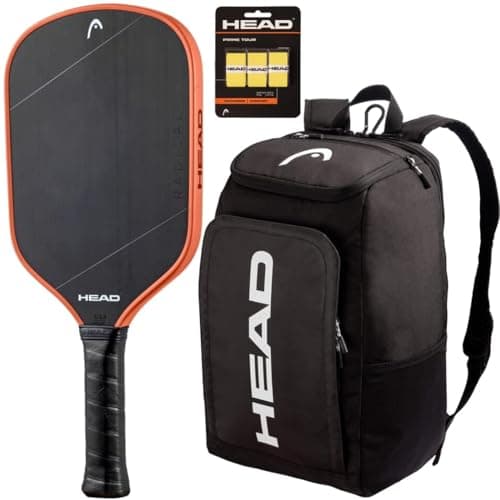
Upgrading your paddle or gearing up to play?
See how we pick, then dig into the paddle roundups and buying guides — honest picks from someone who actually plays, with no inventory to move.