Paddle Review
Selkirk SLK Evo Control Review
Selkirk's cheapest carbon paddle is the one most people should look at before they spend $200 on one of its expensive ones. Here's what the value line actually gives you.
Brand-name carbon and a genuinely control-oriented feel under $100 — still an easy recommendation for a first serious paddle, if you don't mind an ordinary sweet spot. Note that Selkirk retired the Evo in its February 2026 SLK reset; the SLK Geo is the replacement, and what you're buying now is run-out stock.
- Best for
- First real paddle after a starter set
- Price context
- Value tier, typically under $100
Selkirk's catalog runs from about $70 to well past $200, and the confusing part is that the cheap paddles are not bad paddles — they are differently-built ones. The SLK Evo Control sits at the bottom of that range: a carbon fiber face with a control tuning, offered in Max (widebody) and XLoutlines, typically under $100. This is a research-plus-play review; specifications are verified against Selkirk's published listing.
Where SLK sits in Selkirk's range
SLK is Selkirk's value line. Above it sit Amped (mid/upper), Vanguard (premium performance) and LUXX (premium control). The differences are construction and technology rather than face material — SLK paddles use real carbon, they just don't use the thermoformed frames, aerodynamic throats and premium layups the flagship lines do. Our best Selkirk paddles roundup decodes the whole naming system.
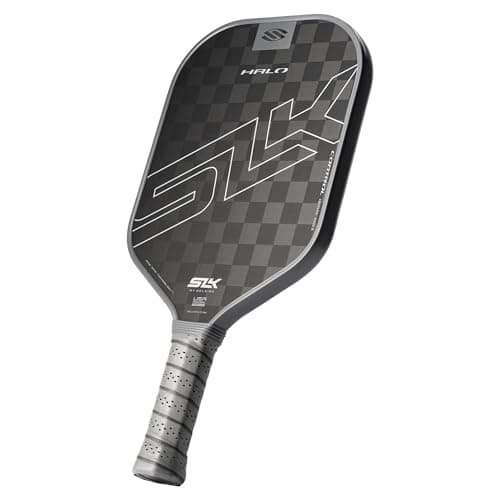
The Evo specifically was the entry model within SLK. It sat below the SLK Halo Control, which Selkirk discontinued first; in February 2026 Selkirk reset the whole SLK line and retired the Evo too, replacing it with the SLK Geoat around $100. The Evo is still widely stocked at run-out prices, and what you get for that money is the essentials done properly with a real brand behind them — just know you are buying the outgoing model.
Max or XL: pick this first
The Evo Control is sold in two outlines, and the choice matters more than anything else about the paddle:
| Shape | What it is | Choose it if |
|---|---|---|
| Max | Widebody — wider face, shorter | You lose points getting handcuffed at the net, or your contact is inconsistent |
| XL | Longer, narrower | You lose points not reaching balls, or you came from tennis |
How it plays on court
Soft game.The paddle's purpose and its best quality. "Control" tuning means the paddle absorbs incoming pace rather than returning it, so blocks stay down and drops land short. For someone learning the kitchen-line game, this is exactly the right kind of help.
Spin.Decent. A carbon face grips well enough to shape a topspin drive and get a roll to dip. It is not a raw T700 weave and it doesn't pretend to be, so the ceiling is lower than a specialist value paddle's.
Power.Modest by design. If you want free pace, this is the wrong paddle — that is what the power roundup is for.
Forgiveness. Adequate in Max, more demanding in XL. Value-line construction means no foam perimeter, so contact toward the edge loses real ball speed compared with a thermoformed paddle at similar money.
The value case, argued both ways
For:you are buying a carbon paddle from a company that manufactures domestically, maintains a warranty process, and will still be there to honor it. If you crack a paddle or get a defective unit, that infrastructure has real value — and it is exactly what direct-to-consumer brands are least reliable at. That still holds now the Evo itself has been retired: Selkirk warranties the paddle, not the model year.
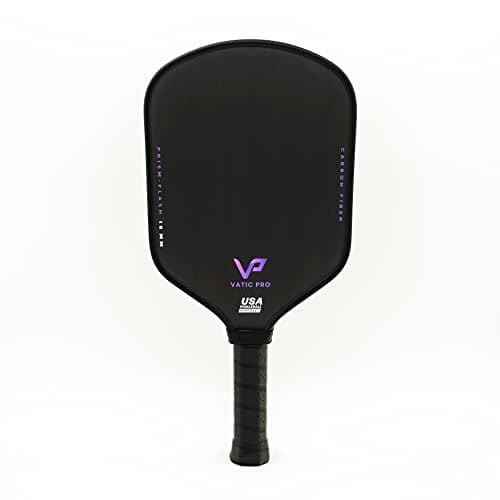
Against: for the same money, the Ronbus R1.16 Nova gives you a thermoformed unibody frame and a raw Toray T700 face, and the Vatic Pro Prism Flashadds foam-injected perimeter walls. On pure construction-per-dollar those paddles win, and it isn't close.
Which argument wins depends on how you weigh support against specification. Both positions are defensible; our best paddles under $100 roundup lines all three up.
Who it's for (and who should skip it)
Buy it if this is your first real paddle after a starter set, you value buying from an established brand, and you want a paddle that helps you learn the soft game rather than tempting you to hit everything hard.
Skip it if you want the biggest sweet spot per dollar, or if you already drive well and want a paddle that keeps up. Step up within the brand to the SLK Geo, which adds perimeter weighting for a bigger effective sweet spot, or out of it to a thermoformed value paddle.
How it compares
| Paddle | Construction | Bias | Where it wins |
|---|---|---|---|
| Selkirk SLK Evo Control | Carbon face, value-line build | Control | Brand support under $100 |
| Selkirk SLK Geo | T700-grade raw carbon, MOI tuning | Balanced | Forgiveness, same line |
| Ronbus R1.16 Nova | Thermoformed unibody | Firm, powerful | Construction per dollar |
| Franklin Signature Pro 16mm | MaxGrit, 16mm polymer | Balanced | Lower price |
Within Selkirk, the SLK Geo is the natural step up for not much more — perimeter weighting and a T700-grade raw carbon face. Outside it, the value specialists win on construction and lose on support. And if $100 is above your budget entirely, the Franklin Signature Pro covers the fundamentals for half the money.
Verdict
The SLK Evo Control does the sensible thing: real carbon, a control tuning that helps a developing player learn the shots that win points, and a shape choice that lets you match the paddle to your problem. It is beaten on raw specification by direct-to-consumer rivals at the same price, and it beats them on the boring things — warranty, availability, the confidence that a replacement is a phone call rather than an adventure. For a first real paddle, that is a perfectly good trade.
What we liked
- Real carbon fiber face from a major brand under $100
- Control tuning absorbs pace — resets and dinks come easily
- Offered in both widebody Max and longer XL shapes
- Selkirk's warranty and distribution behind a value-tier price
What gave us pause
- Value-line construction — sweet spot is smaller than thermoformed rivals
- Direct-to-consumer brands offer more construction at the same money
- Not a paddle for players who need free power
- Retired in Selkirk's February 2026 SLK reset — the SLK Geo replaced it
Frequently asked questions
Is the Selkirk SLK Evo Control good for beginners?
Yes, particularly in the Max widebody shape. The control tuning absorbs incoming pace so blocks stay down and drops land short — exactly the help a developing player needs — and a carbon face gives enough spin to learn topspin drives. It's a sensible first paddle after a starter set.
What's the difference between the SLK Evo and the SLK Halo?
Both were in Selkirk's value SLK line and both used carbon faces with control tunings, with the Halo sitting a step above the Evo. Neither is a live choice now: Selkirk discontinued the Halo Control, then reset the entire SLK lineup in February 2026 and retired the Evo too. The SLK Geo, at around $100, is the Evo's direct replacement. Remaining Evo stock plays exactly as this review describes and is a fair buy at a run-out price, but the Geo is the model Selkirk currently sells. None of the SLK models use the thermoformed frames or aerodynamic throats found on Selkirk's Amped, Vanguard and LUXX lines.
Should I choose the Max or XL shape?
Take the Max unless you have a specific reason not to. The wider face has a larger sweet spot and rotates faster in the hand, which suits inconsistent contact and fast net exchanges. Choose XL only if you regularly lose points by not reaching balls, or if you came from tennis and prefer a longer lever.
Is the SLK Evo Control worth it versus cheaper direct-to-consumer paddles?
On specification, no — brands like Ronbus and Vatic Pro deliver thermoformed frames and raw T700 carbon faces at the same price, which means bigger effective sweet spots. On support, yes — Selkirk manufactures domestically, maintains a warranty process and has stable availability. Which matters more depends on how you'd feel if the paddle failed.
Sources
Keep reading
Upgrading your paddle or gearing up to play?
See how we pick, then dig into the paddle roundups and buying guides — honest picks from someone who actually plays, with no inventory to move.