Price Band
The Best Pickleball Bags Under $100
A hundred dollars is the ceiling where a pickleball bag stops being a sack with pockets and starts being a tour bag. Here are the five worth owning, and exactly what the extra fifty dollars over a cheap pack buys you.
The short answer
Quick picks
| # | Product | Best for | Score | Price |
|---|---|---|---|---|
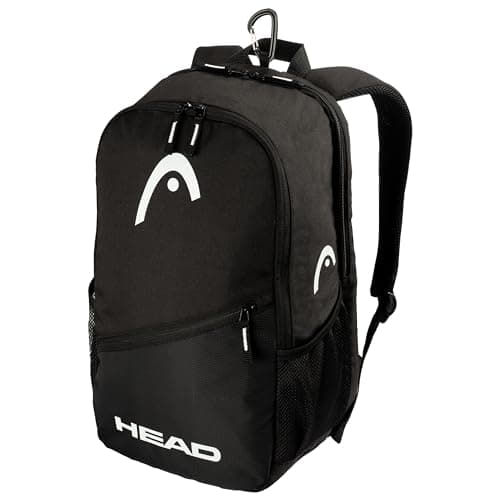
| 01 | HEAD Tour Backpack 22L 22 litres, 2+ paddles and ventilated shoe pockets - the only true tour-style pack in the band. | Best bag under $100 overall | 4.5/5 | $57.93Amazon |
| 02 | 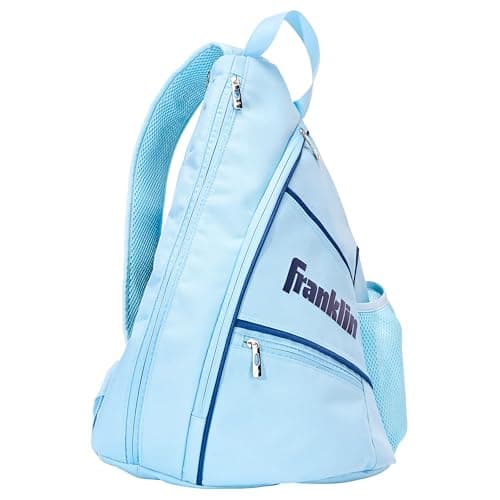 Franklin Sling Bag The cheapest bag we rank, and it still takes up to six paddles plus a fence hook. | Budget pick | 4.3/5 | $30.99Amazon |
| 03 | 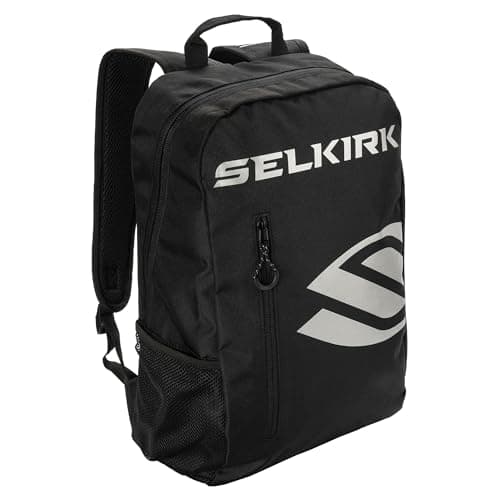 Selkirk Day Backpack Two paddles, balls and a bottle in a clean daypack that works as an everyday bag. | Best minimal bag | 4.4/5 | $48.98Amazon |
| 04 | 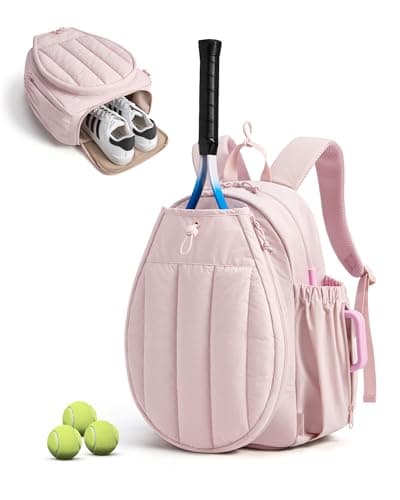 BAGSMART Quilted Tennis & Pickleball Backpack A ventilated shoe compartment and a 15.6 in laptop sleeve in the same bag. | Best for court and work | 4.3/5 | $33.99Amazon |
| 05 | 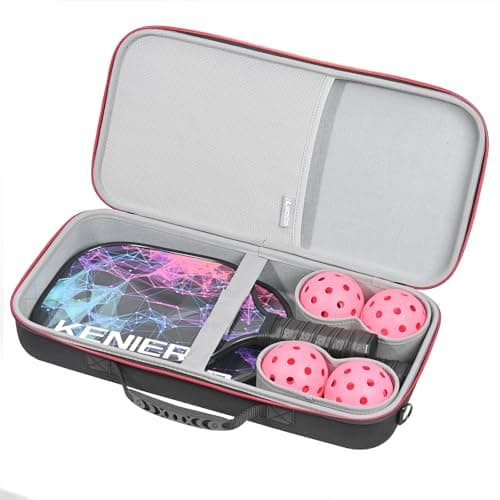 RLSOCO Hard Case for 2 Paddles A hard shell for two paddles and four balls - the one that survives checked luggage. | Best for travel | 4.0/5 | $35.99Amazon |
#ad · Live prices from Amazon as of November 22, 2026; where we have no verified live price we show none. We may earn a commission — see our affiliate disclosure.
The verdict, up front: buy the HEAD Tour Backpack 22L. It is the bag for the player who turns up for a long session or a local tournament and needs paddles, court shoes, a bottle and a change of shirt in one pack — 22 litres, two or more paddles, and ventilated shoe and gear pockets, which is the feature cheaper bags drop first. The budget pick is the Franklin Sling Bag, the cheapest bag we rank anywhere and still rated for up to six paddles. If you carry light and want the bag to look like a normal backpack, the Selkirk Day Backpack is the one.
Every bag below sat under a hundred dollars at our last live price check, and the figure and its date are printed on each button — we never show a number our price layer cannot currently verify.
What $100 buys over $50
This is a band with a real step in it, and it is worth naming. Under fifty dollars you are buying pockets.The bags are fabric, the capacity claims are generous, and one feature — a ventilated shoe compartment — separates the good ones from the rest. That band has its own page at best pickleball bags under $50.
Between fifty and a hundred you are buying volume and structure. Twenty-two litres is roughly double a minimal daypack, which in practice is the difference between carrying paddles plus a bottle and carrying paddles plus court shoes plus a towel plus a change of shirt. You also start getting padded back panels that hold shape when the bag is full, and dedicated vented compartments rather than one main cavity with dividers.
What you do not get is a tournament bag. That is a $150 to $250 purchase with a structured base, four-to-eight-paddle capacity, two shoe tunnels and a cooler pocket. The full range including those is on best pickleball bags and backpacks. A hundred dollars buys the best version of a day bag, not the smallest version of a tour bag.
The four features that actually matter
A ventilated shoe compartment. The one feature worth paying for. Court shoes carried loose inside a backpack put outdoor grit on everything you own, and shoes sealed in an unventilated pocket after a session are unpleasant by the next one. Two of the five bags here have it.
Volume in litres, not paddles.Paddle capacity is almost never the constraint — two paddles take up very little room and most players own one or two. Read the litre figure where one is published; it tells you far more than "fits 6 paddles".
A fence hook.Plenty of courts have no bench and no table. A hook that lets the bag hang on the fence keeps your paddles off wet concrete, and it costs the manufacturer almost nothing — which is why its absence tells you something about the rest of the bag.
A back panel that holds shape. A loaded fabric sack sags into your spine. Any bag you will carry further than a parking lot needs a padded, structured panel, and that is one of the things the extra fifty dollars in this band actually buys.
At a glance
The five side by side. Capacity and features come from each manufacturer's listing; every row price-checks on the spot.
| Bag | Style | Volume / paddles | Vented shoe pocket | Best for | Price |
|---|---|---|---|---|---|
| HEAD Tour Backpack 22L | Backpack | 22 L, 2+ paddles | Yes | Long sessions and local tournaments | Check price |
| Franklin Sling Bag | Crossbody sling | Up to 6 paddles | No | Spending the least | Check price |
| Selkirk Day Backpack | Backpack (daypack) | 2 paddles | No | Carrying light, everyday use | Check price |
| BAGSMART Quilted | Backpack | 2 paddles | Yes | Court and office in one bag | Check price |
| RLSOCO Hard Case | Hard case | 2 paddles + 4 balls | No | Flying with paddles | Check price |
#ad· Prices and availability change frequently — each button opens the live listing. We may earn a commission at no extra cost to you; see our affiliate disclosure.
Best bag under $100 overall: HEAD Tour Backpack 22L
Who it is for: the player who shows up for three hours of open play or a local tournament and needs everything in one pack.
This is the bag the fifty-dollar ceiling excludes, and the reason this band is worth shopping. Twenty-two litres with two or more paddles and ventilated shoe and gear pockets, from a company that has been making racquet-sport bags for decades. The combination of real volume and vented storage is what makes it a genuine day-long bag rather than a commute bag that happens to fit a paddle.
| Style | Backpack |
|---|---|
| Capacity | 22 liters |
| Paddle capacity | 2+ paddles |
| Storage | Ventilated shoe / gear pockets |
| Best for | Commuters and dual-use gym bags |
What I like: it is the only bag in the band that is honestly described as a tour backpack, and HEAD's bags hold shape loaded. What gives me pause: 22 litres is still a day bag, not a tournament bag — four paddles, two pairs of shoes and a cooler pocket is a different product — and HEAD does not publish a fence hook on this listing. It also appears as the bag in our complete-kit page, best pickleball gear.
Budget pick: Franklin Sling Bag
Who it is for: the player who wants to grab gear and go, and spend the least doing it.
The cheapest bag we rank, and the capacity claim is the surprise: Franklin rates this crossbody sling for up to six paddles plus balls and accessories. It has all-weather metal zippers, a dual padded valuables pocket and a fence hook— the only bag in the band with one — which is a better feature list than the price suggests.
| Style | Crossbody sling |
|---|---|
| Paddle capacity | Up to 6 paddles |
| Storage | Large pockets + dual padded valuables pocket |
| Build | Polyester, all-weather metal zippers, fence hook |
| Carry | Adjustable single-shoulder strap |
| Best for | Budget, minimalist, grab-and-go players |
What I like: cheap, light, dead simple, and the fence hook is a real convenience nothing else here offers. What gives me pause: paddle capacity is not the constraint, space for everything else is — there is no shoe compartment, and a single-shoulder sling loaded with six paddles is not a comfortable walk.
Best minimal bag: Selkirk Day Backpack
Who it is for: the rec player who turns up, plays and heads home.
The right-sized bag for how most people actually play. It holds two paddles plus balls, a water bottle and the essentials in a clean, minimal daypack that does not announce itself as sports kit, which means it also works as a normal backpack on days you are not playing. Buying one bag instead of two is the quiet reason this is here.
| Style | Backpack (daypack) |
|---|---|
| Paddle capacity | 2 paddles |
| Design | Clean, minimal, everyday-friendly |
| Storage | Room for balls, bottle, essentials |
| Best for | Rec players who carry light |
What I like: the size and the understated look, from a brand that actually makes pickleball gear. What gives me pause: two paddles is the ceiling and there is no dedicated shoe pocket — for that, take the BAGSMART or step up to the HEAD Tour.
Best for court and work: BAGSMART Quilted Backpack
Who it is for:anyone going to a court from somewhere else — an office, a class — with one bag.
The listing specifies room for two rackets or paddles, a ventilated shoe compartment, a 15.6 in laptop sleeve, a 40 oz tumbler holder and a separate wet-and-dry pocket. Adding a laptop sleeve to a vented shoe pocket is the difference between one bag and two.
| Paddle capacity | Fits 2 rackets or paddles (per listing) |
|---|---|
| Shoe storage | Ventilated shoe compartment |
| Laptop | 15.6 in padded sleeve |
| Bottle | 40 oz tumbler holder |
| Extras | Wet and dry pocket; quilted fabric, padded back panel |
What I like: it is the cheapest vented shoe pocket in the band. What gives me pause: it is a lifestyle bag first — quilted fabric is not armour, two paddles is the ceiling, and the listing does not claim a fence hook.
Best for travel: RLSOCO hard case for two paddles
Who it is for: anyone putting paddles into checked luggage.
The most protective product in the band: a hard protective case holding two paddles and four balls, sold as a case only. The listing names JOOLA, Selkirk SLK and Franklinpaddles as the fit, which is a far more useful compatibility statement than "universal" — it says the seller measured against real paddles.
| Type | Hard case (case only - no paddles included) |
|---|---|
| Capacity | 2 paddles + 4 balls |
| Stated fit | JOOLA, Selkirk SLK, Franklin Sports and most pickleball paddles |
| Closure | Zipper |
| Shell material and thickness | Not published on the listing |
What I like: checked luggage is the one scenario where paddle damage is both likely and entirely out of your hands. What gives me pause: it is not a bag you carry to the court, and the shell thickness is not published. If you fly once a year, a paddle sleeve surrounded by clothes does much the same job.
Where $100 stops being enough
A full tournament day. A tour bag carries four to eight paddles, two pairs of shoes, a towel, a change of clothes and a cooler pocket, and it has a structured base so it stands up on its own. Nothing here does that. If you play tournaments, the step up is real and it is covered on best pickleball bags.
Thermal protection. No bag in this band has a genuine insulated paddle compartment. A raw carbon face and an adhesive-bonded edge guard do not enjoy a hot car, as our paddle care guide explains.
Wheels. Rolling duffels start well above this band. If you carry gear for a group or coach a clinic, that is the product you want, and it is not here.
The bottom line
Most players under a hundred dollars should buy the HEAD Tour Backpack 22L: real volume, vented gear pockets, and the one bag in the band that handles a whole session. Spending the minimum? The Franklin Sling Bag, with a fence hook thrown in. Carrying light? The Selkirk Day Backpack. Court straight from the office? The BAGSMART quilted backpack. Flying with paddles? The RLSOCO hard case. And if your ceiling is fifty rather than a hundred, that band is on best pickleball bags under $50.
Frequently asked questions
What is the best pickleball bag under $100?
The HEAD Tour Backpack 22L. It is the only bag in the band with both real volume — 22 litres, roughly double a minimal daypack — and ventilated shoe and gear pockets, which is what you need for a three-hour session or a local tournament. Below fifty dollars the same money buys pockets but not that volume; above a hundred you start getting structured tournament bags.
Is it worth spending $100 on a pickleball bag?
Only if you carry court shoes. A bag has no effect on how you play, so the question is purely what fits and how it carries. If you turn up with two paddles, balls and a bottle, a thirty to fifty dollar daypack is enough and the extra money is wasted. If you carry shoes, a towel and a change of shirt, the step up to 22 litres with a vented shoe pocket is the one upgrade that changes the experience.
How many litres should a pickleball backpack be?
Around 20 to 25 litres for a player who carries court shoes and a change of shirt, and 10 to 15 is plenty if you carry paddles, balls and a bottle. Litres tell you far more than a paddle-capacity claim, because paddles are almost never what runs out of room — shoes, a towel and clothes are.
Do pickleball bags have a shoe compartment?
The better ones do, and it is the feature most worth paying for. Of the bags here, the HEAD Tour Backpack 22L and the BAGSMART quilted backpack both have ventilated shoe compartments; the Selkirk daypack, the Franklin sling and the RLSOCO hard case do not. Ventilation matters as much as the compartment — shoes sealed in an airtight pocket after a session are unpleasant by the next one.
Will a cheap bag protect my paddle?
From scuffs and knocks in a car boot, yes. From heat and from being crushed in checked luggage, no — fabric bags in this band have no thermal layer and no rigid structure. A paddle cover costs under fifteen dollars and does the day-to-day protecting; a hard case handles flying. Buying the bag for its pockets and the paddle protection separately is the cheaper and better split.
Sources
- Manufacturer and retailer product listings for the five bags above (capacity, compartments and materials as published)
- Amazon listings for all five bags above (availability and price verified through the site price layer)
Keep reading
Upgrading your paddle or gearing up to play?
See how we pick, then dig into the paddle roundups and buying guides — honest picks from someone who actually plays, with no inventory to move.