Complete Kit
The Best Pickleball Gear in 2026
Seven items cover everything a pickleball player genuinely needs. This is one pick for each - chosen on specs, not colorways - plus the buying order that stops you spending money in the wrong place first.
The short answer
Quick picks
| # | Product | Best for | Score | Price |
|---|---|---|---|---|
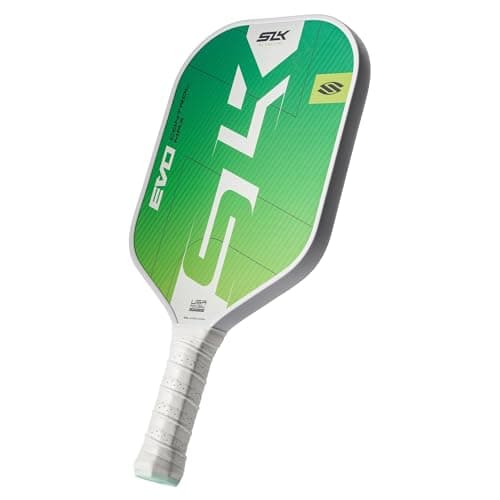
| 01 | Selkirk SLK Evo Control Max A carbon face on a control-tuned 16mm core in Selkirk's widest shape - the safe default. | Best paddle for most players | 4.6/5 | $75.00Amazon |
| 02 | 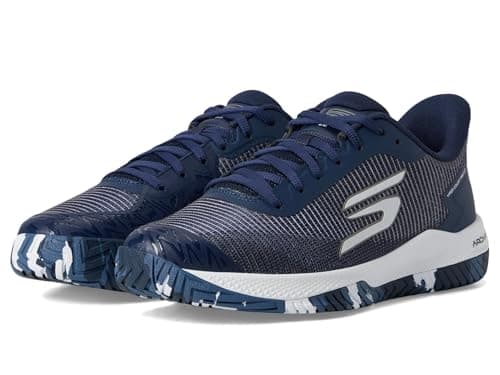 Skechers Viper Court Pro 2.0 Arch Fit footbed and a real court outsole - the single most important thing you will buy. | Best court shoes | 4.6/5 | $103.50Amazon |
| 03 | 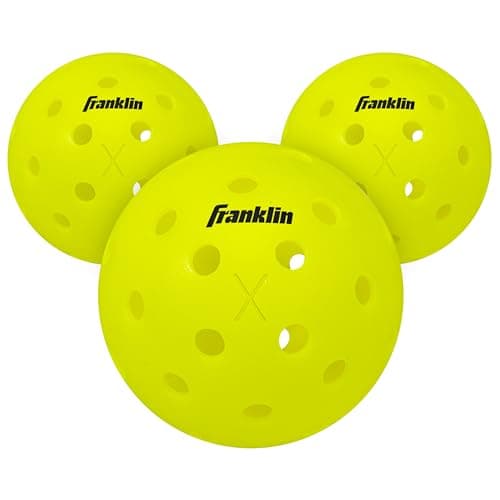 Franklin X-40 Outdoor The official ball of USA Pickleball, and the one most leagues hand you anyway. | Best outdoor ball | 4.7/5 | $9.89Amazon |
| 04 | 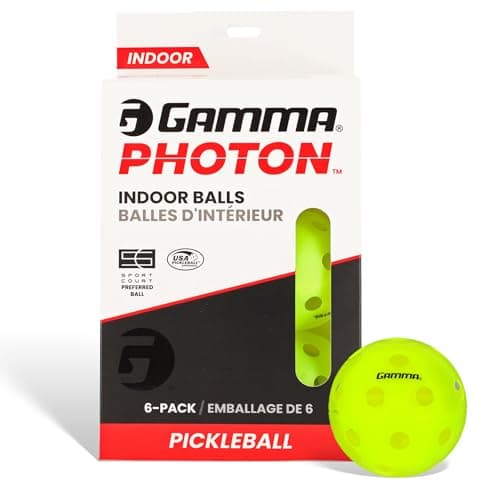 Gamma Photon Indoor Softer, quieter and easier to control on a gym floor - indoor balls are not optional. | Best indoor ball | 4.5/5 | $21.97Amazon |
| 05 | 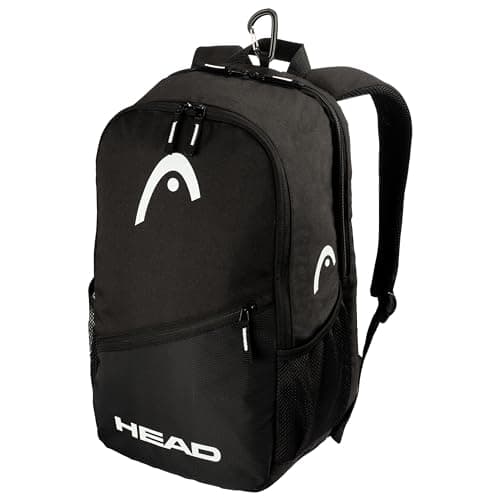 HEAD Tour Backpack 22L 22 litres with ventilated shoe pockets - carries a full kit and still works as a gym bag. | Best bag | 4.4/5 | $59.00Amazon |
| 06 | 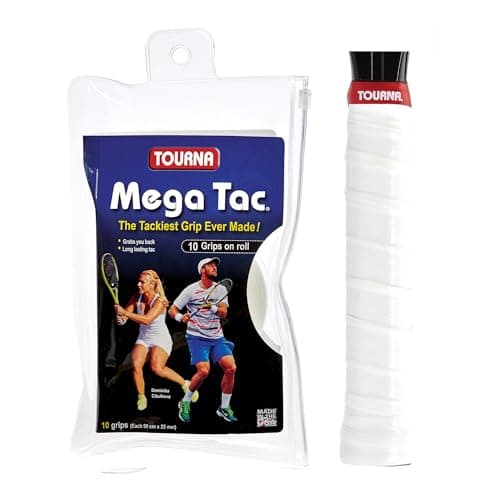 Tourna Mega Tac (10-pack) Ten wraps to a pack - the cheapest upgrade in pickleball, and the one most players skip. | Best overgrip | 4.5/5 | $18.50Amazon |
| 07 | 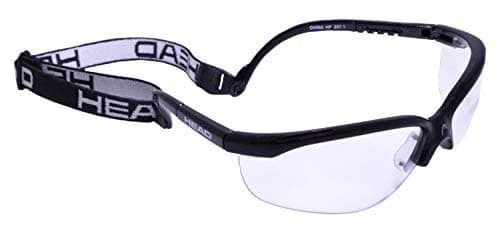 HEAD Pro Elite Racquetball Goggles Anti-fog lensed wraparound coverage - the cheapest insurance against the one injury that does not heal. | Best eye protection | 4.3/5 | $19.95Amazon |
#ad · Live prices from Amazon as of October 10, 2026; where we have no verified live price we show none. We may earn a commission — see our affiliate disclosure.
The short answer
If you buy one thing from this page, buy the Skechers Viper Court Pro 2.0— court shoes are the only item here that prevents an injury, and running shoes on a pickleball court are how people roll ankles. If you buy one paddle, buy the Selkirk SLK Evo Control Max: a carbon face on a control-tuned 16mm core in Selkirk's widest shape, with a real warranty behind it, for under $100.
The complete useful kit is seven items: a paddle, court shoes, outdoor balls, indoor balls, a bag, an overgrip, and eye protection. That is genuinely all of it. Everything else sold as pickleball gear is either a nice-to-have or a solution to a problem you do not have yet.
Buy them in this order
Most players get this backwards. They spend $200 on a paddle, play in running shoes, and then wonder why their ankles hurt and their drops float. The order that actually pays off:
1. Shoes. Pickleball is a lateral sport played on a hard surface. A running shoe is built to roll forward and has a soft, tall heel that wants to tip sideways, which is exactly the wrong geometry. This is the one purchase with an injury consequence, and our what not to wear post is blunt about why.
2. A paddle you will not outgrow in six weeks. Somewhere around $75 to $100 gets you a carbon face and a modern core, and that paddle will still be fine at 3.5. Below that you are buying twice.
3. Balls, in the right type.Indoor and outdoor balls are genuinely different products, not a marketing distinction — different hole counts, different plastic, different flight. Using the wrong one makes the game worse. See indoor vs outdoor balls.
4. An overgrip. Five dollars, and it changes how the paddle feels more than most $50 paddle upgrades do.
5. Eye protection. Cheap, boring, and the one thing on this list that protects something that does not heal.
6. A bag. Last, because a tote works until it does not.
The whole kit at a glance
| Item | Pick | Why this one | Priority |
|---|---|---|---|
| Court shoes | Skechers Viper Court Pro 2.0 | Arch Fit footbed, true court outsole | Buy first |
| Paddle | Selkirk SLK Evo Control Max | Carbon face, 16mm control core, widest shape | Buy first |
| Outdoor balls | Franklin X-40 | Official USA Pickleball ball | Essential |
| Indoor balls | Gamma Photon | Softer, quieter, gym-floor flight | If you play indoors |
| Overgrip | Tourna Mega Tac (10-pack) | Cheapest meaningful upgrade there is | Essential |
| Eyewear | HEAD Pro Elite goggles | Anti-fog lensed wraparound coverage | Strongly advised |
| Bag | HEAD Tour Backpack 22L | 22 L, ventilated shoe pockets | Buy last |
1. Paddle: Selkirk SLK Evo Control Max
Who it is for: almost anyone buying their first or second real paddle.
The SLK Evo Control is the paddle we point most shoppers at, because it stacks every forgiveness advantage in one place and charges under $100 for it. A carbon fiber face, a control-tuned polymer core at 16mm, and the Maxwidebody outline — Selkirk's widest shape. A thick core enlarges the sweet spot and a wide face enlarges the target, so the two work in the same direction.
| Surface | Carbon fiber |
|---|---|
| Core | Control-tuned polymer |
| Shape | Widebody (Max) |
| Line | Selkirk SLK (sub-$100 tier) |
| Best for | A forgiving carbon 16mm under $100 |
What I like: it is the least-risky paddle at the price. Carbon bites the ball, the control tuning resets properly, and Selkirk's support is among the best in the sport. It is also the overall pick on best 16mm paddles and best widebody paddles.
What gives me pause: SLK is Selkirk's entry tier and is not thermoformed, so advanced players often find it muted, and the widebody outline costs you reach at a stretch volley. If you already play at 4.0, you will outgrow it — look at paddles for advanced players instead.
2. Court shoes: Skechers Viper Court Pro 2.0
Who it is for: most players, and anyone who plays long sessions.
A pickleball-specific court shoe with the Skechers Arch Fit contoured footbed, a cushioned midsole, and a court outsole with lateral support. It is the shoe we recommend most often because it solves the problem recreational players actually have — three hours of open play on concrete — rather than optimising for a tournament sprint.
| Type | Pickleball-specific court shoe |
|---|---|
| Insole | Skechers Arch Fit contoured footbed |
| Midsole | Cushioned |
| Outsole | Court outsole with lateral support |
| Best for | Comfort-first players and long sessions |
What I like: the cushioning is the best of any shoe we carry for long sessions, which is why it also leads most comfortable pickleball shoes. A women's version is on best gear for women.
What gives me pause: soft cushioning is less stable than a firm, low platform, so aggressive players who push hard off the outside edge may prefer something firmer — our best pickleball shoes roundup covers those. Sizes and colors are separate Amazon listings, so check you are on the right one. Wide feet should look at the FitVille on that same page.
3. Outdoor balls: Franklin X-40
Who it is for: everyone who plays outside, which is most people.
The X-40 is the official ball of USA Pickleball, the APP Tour and the US Open, with the standard 40-hole outdoor pattern. It is the ball your league will most likely hand you, so practising with it means practising with what you will compete with.
| Type | Outdoor |
|---|---|
| Holes | 40 (outdoor pattern) |
| Certification | USA Pickleball approved |
| Notable | Official ball of USA Pickleball, APP Tour, US Open |
| Best for | The universal outdoor default |
What I like: it is the default for a reason — consistent, widely available, and the standard everyone else is measured against. Full detail in our X-40 review and the X-40 vs Dura Fast 40 comparison.
What gives me pause: outdoor balls crack, and this one is no exception — cold weather makes it worse. Buy more than you think you need, and if you play in genuine cold, read best pickleball balls for the crack-resistant options.
4. Indoor balls: Gamma Photon
Who it is for: anyone playing on a gym floor.
Indoor balls are a different product, not a different label. The Photon uses roughly 26 larger holesand a softer plastic, so it flies slower, bounces more predictably on a wood or synthetic floor, and is noticeably quieter — which matters more than you would think in a sports hall.
| Type | Indoor |
|---|---|
| Holes | About 26 (larger indoor holes) |
| Feel | Softer, quieter, easy to control |
| Visibility | High-visibility, ultra-balanced |
| Best for | Indoor / gym-floor play |
What I like: it is the indoor pick on our best pickleball balls roundup and the one most indoor groups settle on. The softer feel also makes the soft game easier to learn.
What gives me pause: do not take it outside. A soft indoor ball on a windy outdoor court flies unpredictably and wears out fast. If you play both, own both — our guide explains why one ball cannot do both jobs.
5. Bag: HEAD Tour Backpack 22L
Who it is for: players who go to the court from work or the gym.
A 22-litre backpack with room for two or more paddles and ventilated shoe and gear pockets. It is the bag that stops being a pickleball bag the moment you need a gym bag, which is why it is the one most people actually keep using.
| Style | Backpack |
|---|---|
| Capacity | 22 liters |
| Paddle capacity | 2+ paddles |
| Storage | Ventilated shoe / gear pockets |
| Best for | Commuters and dual-use gym bags |
What I like: ventilated shoe storage is the feature you miss most once you have had it, and 22 litres is enough without being a duffle. More options, including a sling and a tournament duffle, on best pickleball bags.
What gives me pause: two paddles is the realistic limit, so if you carry four and a cooler this is the wrong bag — the Franklin Pro Series on our bags page is the answer there. There is also no thermal pocket.
6. Overgrip: Tourna Mega Tac (10-pack)
Who it is for: every single player, including you.
An extra-tacky overgrip that sticks to the hand, so you do not have to squeeze the handle to keep hold of it — and gripping too hard is the most common cause of floated resets at the kitchen line. Ten wraps to a pack makes it the cheapest per-wrap option we carry, and each wrap adds about a sixteenth of an inch of grip circumference, which is a free way to fine-tune fit.
| Type | Extra tacky overgrip |
|---|---|
| Pack | 10-pack |
| Color | White |
| Brand | Tourna |
| Best for | Dry hands, cool conditions, value per wrap |
What I like: it is the highest return per dollar in the sport. See best pickleball overgrips for cushioned and absorbent alternatives, and grip size for how to use wraps to dial in fit.
What gives me pause: tacky grips are less absorbent, so if your hands sweat heavily in hot weather you want a dry or cushioned grip instead. Tacky grips also pick up court dust and need replacing more often than they look like they do.
7. Eyewear: HEAD Pro Elite Racquetball Goggles
Who it is for: anyone who plays at the kitchen line, which is everyone.
A lensed racquetball and squash eyeguard with anti-fog and scratch-resistant treatment, UV protection and wraparound front and side coverage. Pickleball is played at close range with a hard plastic ball and a paddle swinging near your face; this is cheap insurance against the one injury on this page that does not heal.
| Type | Racquetball and squash eyeguard (lensed) |
|---|---|
| Lens treatment | Anti-fog and scratch resistant |
| UV | UV protection |
| Coverage | Wraparound with front and side coverage |
| Best for | Most players, indoors or out |
What I like: anti-fog treatment is the difference between wearing eye protection and leaving it in the bag. It is the overall pick on best pickleball eyewear, which also covers prescription-ready options.
What gives me pause: these are racquetball goggles rather than a pickleball-marketed product, and the listing does not quote an ANSI impact rating — if a certified rating matters to you, the NoCry safety glasses on our eyewear page state ANSI Z87 on the manufacturer listing. Sport sunglasses are not impact protection, whatever the styling suggests.
What you can skip
A second paddle, until you break the first one or genuinely know what you want differently. Most players buy a second paddle to fix a technique problem.
A ball machine,unless you are drilling alone several times a week. They start around the price of six good paddles — see best ball machines if you really are that player. A rebounder does most of the job for a fraction of the price.
A net, unless you are playing in a driveway. Public courts have nets; if you do need one, best portable nets and best cheap nets cover both budgets.
Pickleball-branded apparel.Any athletic shorts or skort with pockets for the second serve ball will do — our what to wear guide is specific about the one feature that matters.
A glove, unless your hands sweat or blister. Then it is genuinely useful: best pickleball gloves.
The bottom line
Buy court shoes and a paddle you will not outgrow, then a sleeve of the right balls, then a five-dollar overgrip, then eye protection, then a bag. The Skechers Viper Court Pro 2.0 and the Selkirk SLK Evo Control Max are the two picks worth spending real money on; everything else here is cheap and settled.
If your budget only stretches to one upgrade from what you already own, make it the shoes. If it stretches to two, add the overgrip — the paddle you have is probably fine for another season.
Frequently asked questions
What pickleball gear do I actually need?
Seven items: a paddle, court shoes, outdoor balls, indoor balls if you play indoors, an overgrip, eye protection and a bag. That is the complete useful kit. Everything else sold as pickleball gear - ball machines, rebounders, branded apparel, a second paddle - is either a nice-to-have or solves a problem you do not have yet.
What is the best pickleball gear to buy first?
Court shoes. They are the only item on the list with an injury consequence - pickleball is a lateral sport on a hard surface, and a running shoe's soft, tall heel wants to tip sideways on exactly the movements the game asks for. The Skechers Viper Court Pro 2.0 is our pick for most players. Buy the shoes before you upgrade the paddle.
How much should I spend on pickleball gear?
A complete kit built from the picks on this page lands in the low-to-mid hundreds, and the two items worth real money are the shoes and the paddle. A paddle in the $75 to $100 range gets you a carbon face and a modern core that will still be fine at 3.5, so spending less usually means buying twice. Balls, grips and eyewear are cheap and settled.
Is expensive pickleball gear worth it?
For shoes, yes up to a point - cushioning and lateral support are real and you feel them in hour three. For paddles, the curve flattens hard above about $100: you are buying construction consistency and marginal performance, not a different game. Our do expensive paddles play better post works through the evidence. For balls, grips and bags, cheap is fine.
Do I need indoor and outdoor pickleballs?
If you play both surfaces, yes. They are genuinely different products - outdoor balls use 40 small holes and harder plastic for wind and rough surfaces, indoor balls use around 26 larger holes and softer plastic for gym floors. Using an outdoor ball indoors is loud and bouncy; using an indoor ball outdoors is unpredictable in wind and wears out quickly.
Do I need eye protection for pickleball?
It is strongly advised and almost nobody does it. The game is played at close range with a hard plastic ball and paddles swinging near face height, and an eye injury is the one injury on this list that does not heal. A lensed, anti-fog wraparound eyeguard costs about the same as a sleeve of balls. Sport sunglasses are glare protection, not impact protection.
Sources
- Selkirk Sport - SLK Evo Control product specifications
- Skechers - Viper Court Pro 2.0 product details
- Franklin Sports - X-40 pickleball specifications and USA Pickleball partnership
- Gamma Sports - Photon indoor pickleball specifications
- HEAD - Tour backpack and Pro Elite eyewear product details
- USA Pickleball - equipment standards and approved ball list
Keep reading
Upgrading your paddle or gearing up to play?
See how we pick, then dig into the paddle roundups and buying guides — honest picks from someone who actually plays, with no inventory to move.