Paddle Roundup
The Best Pickleball Paddles for Advanced Players
At 4.5 and above, paddles stop being about forgiveness and start being about ceilings. These five give you more shot to work with — and each asks something from you in return.
The short answer
Quick picks
| # | Product | Best for | Score | Price |
|---|---|---|---|---|
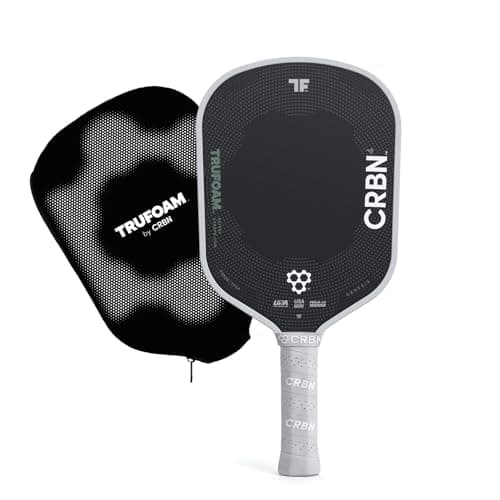
| 01 | CRBN TruFoam Genesis A full foam core — the most shot-shaping on offer, at flagship money. | Best overall for advanced play | 4.8/5 | $229.99Amazon |
| 02 | 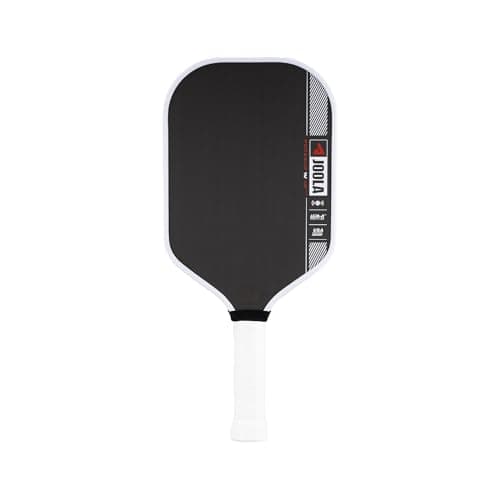 JOOLA Perseus Pro IV 16mm Propulsion Core and Tech Flex Power in an elongated tournament build. | Best all-round tournament paddle | 4.7/5 | $149.95Amazon |
| 03 | 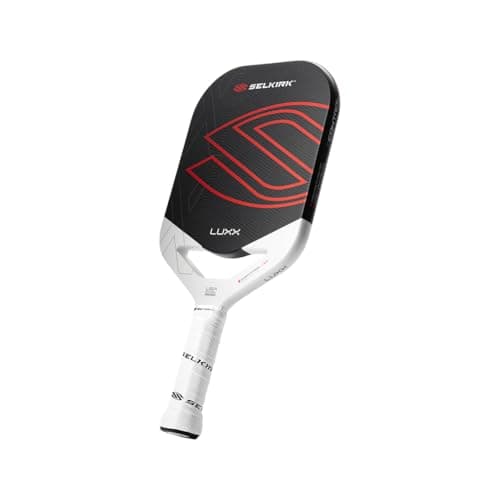 Selkirk LUXX Control Invikta Selkirk's control flagship — the reset-and-counter paddle. | Best for the soft game | 4.6/5 | $199.99Amazon |
| 04 | Gearbox GX2 Hyper Solid-core carbon construction and an aerodynamic power shape. | Best for pure power | 4.5/5 | Check price → |
| 05 | 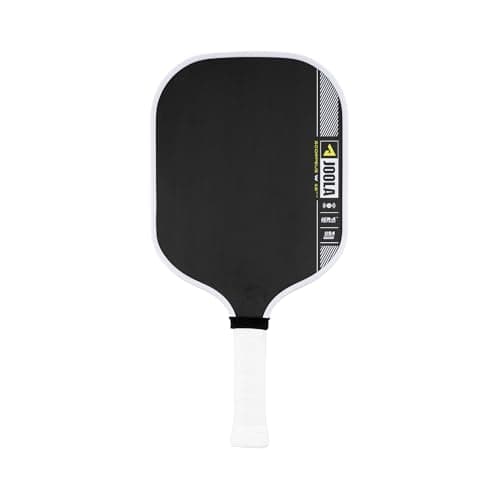 JOOLA Collin Johns Scorpeus Pro IV Elongated reach with a touch-first bias — built for the counter game. | Best for hands battles | 4.6/5 | Check price → |
#ad · Live prices from Amazon as of October 20, 2026; where we have no verified live price we show none. We may earn a commission — see our affiliate disclosure.
There is a point in most players' development where the paddle stops being the limiting factor and starts being a lever. Below about 4.0, a forgiving paddle wins you points because it rescues bad contact. Above 4.5, you are making good contact most of the time, and what you want instead is a paddle that does more with it — more spin on the same swing, more separation between a soft roll and a hard one, more ball speed when you finally get the ball above the net tape.
That is a different shopping problem, and it comes with a different price. Every paddle on this list costs meaningfully more than the ones in our under $100 roundup, and every one of them is less forgiving in some specific way. My overall pick is the CRBN TruFoam Genesis; if you want one paddle that can play any style of match, the JOOLA Perseus Pro IV is the safer tournament choice.
What changes at 4.5+
You start paying for the top end of the spin range.Below 4.0, most players cannot swing fast enough to reach a paddle's spin ceiling, so a $70 raw-carbon paddle and a $250 one produce similar results. At speed, the difference in face texture and how long the ball stays on it becomes measurable in how much the ball dives.
Reset quality decides matches.Advanced points live in the transition zone. A paddle that lets you take pace off a hard drive and drop it in the kitchen from mid-court is worth more than one that hits a harder drive. This is why a "control" flagship like the LUXX can beat a power paddle in real match results.
Hand speed is a spec, not a skill. Fast exchanges at the net are decided in fractions of a second. Swing weight and shape decide whether you get the paddle there. A heavier, head-heavy paddle that drives beautifully can lose you three points a game in hands battles.
How we picked
Nobody pays for placement and I don't sell paddles — the full process is on the how we review page. For this list I set the bar at tournament legality first (every pick is certified for sanctioned play), then weighted shot-shaping range— how much difference there is between the softest and hardest ball you can hit with it — above raw power.
After that: hand speed, stability on off-center contact under real pace, and whether the price buys something structural rather than a paint job. Paddles that were simply expensive versions of mid-tier construction did not make it.
At a glance
Specs come from each manufacturer's published listing. Live prices are on the buy buttons and move often at this tier.
| Paddle | Core | Face | Shape | Best for |
|---|---|---|---|---|
| CRBN TruFoam Genesis | 100% foam | Carbon fiber | Hybrid AeroCurve | Shot-shaping |
| JOOLA Perseus Pro IV | Propulsion Core | Tech Flex Power carbon | Elongated | All-round tournament |
| Selkirk LUXX Control Invikta | LUXX control build | Carbon fiber | Invikta (elongated) | Soft game |
| Gearbox GX2 Hyper | SST 2.0 carbon core | Carbon fiber | Aerodynamic power | Power |
| Collin Johns Scorpeus Pro IV | Propulsion Core | Tech Flex Power carbon | Elongated | Hands battles |
Best overall for advanced play: CRBN TruFoam Genesis
The Genesis is the paddle that best represents where the top of the market has gone. Instead of a honeycomb core with foam packed around the edges, it uses a 100% foam core under a carbon fiber face, in a hybrid AeroCurve outline. What that produces on court is unusual range: the ball sits on the face long enough to shape a genuinely soft reset, and the same paddle returns a lot of energy when you swing through a ball.
| Core | 100% foam |
|---|---|
| Surface | Carbon fiber |
| Shape | Hybrid AeroCurve |
| Tier | Premium flagship |
| Best for | 4.5+ players who shape shots deliberately |
What I like: the gap between your softest and hardest ball is bigger with this paddle than anything else here — which is exactly what a good player converts into points. What gives me pause: it is the most expensive paddle on the list, and a full foam core is a firmer, more demanding feel than most players expect on first hit. Give it a week before judging it.
Best all-round tournament paddle: JOOLA Perseus Pro IV 16mm
If you want one paddle you can enter a tournament with and never think about again, this is it. The Pro IV pairs JOOLA's Propulsion Core with a Tech Flex Power carbon face in an elongated outline, and it is certified under both UPA-A and USAP, which matters more than it used to (see certification below). It drives hard, holds spin, and is stable enough to counter with.
| Core | Propulsion Core |
|---|---|
| Surface | Tech Flex Power carbon |
| Shape | Elongated |
| Thickness | 16mm |
| Certification | UPA-A and USAP certified |
What I like: it is the least situational paddle at this tier — there is no phase where you feel under-equipped. What gives me pause: elongated plus a powerful core means real swing weight, and it punishes late hands. Our full JOOLA Perseus Pro IV review covers the adjustment, and the cheaper Perseus 16mm is the softer landing.
Best for the soft game: Selkirk LUXX Control Invikta
LUXX is Selkirk's premium control line, and the Inviktaoutline is its long, reachy shape. Put together, you get a paddle designed around the two shots that decide advanced points: the reset from the transition zone and the counter at the kitchen line. It asks you to supply your own power — and in exchange gives you a very large margin on the shots where a millimeter matters.
| Line | Selkirk LUXX Control |
|---|---|
| Shape | Invikta (elongated) |
| Surface | Carbon fiber |
| Bias | Control / touch |
| Best for | Kitchen-line players and counter-punchers |
What I like: it makes resets that other paddles pop up land dead. What gives me pause: if your game wins with drives, you will feel disarmed — go to the Gearbox GX2 Hyper or our power roundup instead. More Selkirk options in best Selkirk paddles.
Best for pure power: Gearbox GX2 Hyper
Gearbox builds differently from everyone else here: the GX2 Hyper uses an SST 2.0 carbon core rather than a honeycomb-plus-face sandwich, in an aerodynamic power shape. The feel is distinctive — firmer and more connected, with less of the muted thud you get from thick polymer — and it produces serious ball speed on drives and overheads.
| Core | SST 2.0 carbon core |
|---|---|
| Surface | Carbon fiber |
| Shape | Aerodynamic power profile |
| Character | Power and spin |
| Best for | Aggressive baseline and put-away players |
What I like: the ball comes off fast and it is very stable on hard contact. What gives me pause: a stiff solid-core paddle transmits more shock to the arm and asks more of your soft game. If you have any elbow history, read best paddles for tennis elbow first. Full detail in our Gearbox GX2 Hyper review.
Best for hands battles: JOOLA Collin Johns Scorpeus Pro IV
The Scorpeus Pro IV is the Perseus's touch-biased sibling — same Propulsion Core and Tech Flex Power face, tuned toward feel. Collin Johns is a defensive-minded pro, and the paddle reflects it: it is built to absorb a speed-up and send it back down rather than to start the firefight. The elongated shape adds the reach that makes counters possible from a step behind the line.
| Core | Propulsion Core |
|---|---|
| Surface | Tech Flex Power carbon |
| Shape | Elongated (reach) |
| Thickness | 16mm |
| Certification | UPA-A certified |
What I like: it is the best counter-punching paddle here and still has enough drive to keep opponents honest. What gives me pause: it does less for you if you are the one starting hands battles — the Perseus Pro IV is the more aggressive twin. Compare the whole line in best JOOLA paddles.
Certification: check before you enter
At this level, paddle legality is not a formality. Paddles must appear on the approved list for the body sanctioning your event, and models do get removed — usually because a face degrades into producing more spin than the standard allows, or because a build delaminates in use. If you compete, verify the exact model and thickness on USA Pickleball's equipment standards page before an event, not after.
It matters for buying, too: a paddle whose construction is prone to failure is a bad purchase regardless of legality. Our explainer on paddle delamination covers what to watch for and how to tell a dead paddle from a bad day.
The bottom line
For the most shot-making range, the CRBN TruFoam Genesis. For one paddle that plays every style of match, the JOOLA Perseus Pro IV. For a soft-game specialist, the Selkirk LUXX Control Invikta. For raw ball speed, the Gearbox GX2 Hyper. For counter-punching, the Collin Johns Scorpeus Pro IV. Not sure you have outgrown your current paddle yet? Our intermediate roundup is the honest step below this one, and the paddles hub has the full range.
Frequently asked questions
What makes a paddle 'advanced' rather than just expensive?
Structural differences, not price. Advanced paddles use construction that changes how energy returns to the ball — full or injected foam cores, unibody thermoformed frames, proprietary carbon layups — which widens the gap between the softest and hardest shot you can hit. An expensive paddle that uses ordinary honeycomb-and-face construction is just an expensive mid-tier paddle.
Should a 4.0 player buy an advanced paddle?
Usually not yet. Below about 4.5 most players cannot swing fast enough to reach the spin and power ceilings these paddles unlock, so you pay for range you don't use while giving up forgiveness you still need. A strong intermediate paddle will produce the same results for less. The exception is if your soft game is already your strength — a control flagship can pay off earlier.
Is a foam core better than a honeycomb core?
Different, and better for a specific purpose. Foam gives more dwell time on soft shots and returns more energy on hard ones, which widens your usable range and enlarges the effective sweet spot. It also plays firmer and costs more. Honeycomb polypropylene remains an excellent, cheaper, more forgiving option — most players below 4.5 are better served by it.
Do I need to check whether my paddle is tournament legal?
Yes, and check the exact model and core thickness rather than the product line. Sanctioning bodies maintain approved-paddle lists, and models are occasionally removed when a face wears into producing out-of-spec spin or a build proves prone to delamination. Verify on the sanctioning body's own equipment page before an event.
Elongated or standard shape for advanced play?
Elongated dominates at the top level because reach and leverage matter more when everyone can already hit the ball cleanly — it helps on serves, drives and stretch resets. The cost is hand speed and a narrower sweet spot. If you lose more points getting handcuffed at the net than getting out-reached, a standard or hybrid shape is the better choice even at 4.5+.
Sources
- USA Pickleball — equipment standards & approved paddle list
- JOOLA — Perseus Pro IV & Scorpeus Pro IV specifications
- Selkirk — LUXX Control line specifications
- CRBN — TruFoam Genesis specifications
- Gearbox — GX2 Hyper product page (specifications, current positioning and run-out pricing)
- Gearbox — GX2 Power series (the current Gearbox power line)
Keep reading
- Best pickleball paddles for intermediate players →
- Best Gen 3 pickleball paddles →
- Best elongated pickleball paddles →
- Best JOOLA pickleball paddles →
- JOOLA Perseus Pro IV review →
- 14mm vs 16mm pickleball paddles →Rally & Dink
- JOOLA Pro V review →
- 11SIX24 Vapor Power 2 review →
- What paddle do the pros use? →Rally & Dink
Upgrading your paddle or gearing up to play?
See how we pick, then dig into the paddle roundups and buying guides — honest picks from someone who actually plays, with no inventory to move.