Paddle Roundup
The Best Pickleball Paddles for Tennis Elbow
Elbow pain is the most common reason people stop playing. Equipment will not fix an injury — but the wrong paddle keeps feeding it, and the right one takes real load off your arm. Here's what actually helps.
The short answer
Quick picks
| # | Product | Best for | Score | Price |
|---|---|---|---|---|
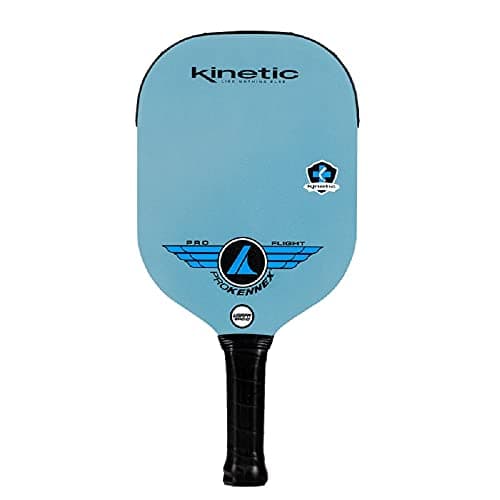
| 01 | ProKennex Pro Flight The brand built around shock absorption, with a Toray T700 face and Comfort Pro grip. | Best overall for arm comfort | 4.6/5 | $189.95Amazon |
| 02 | 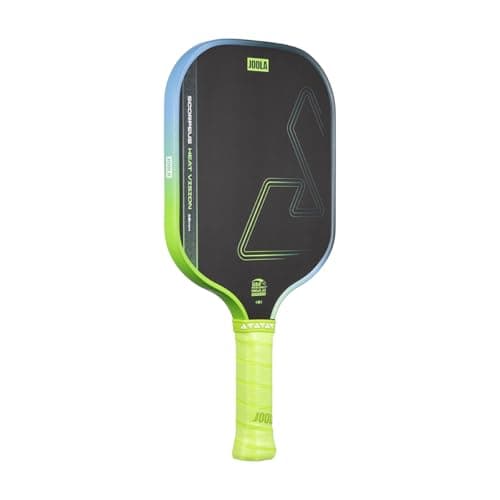 JOOLA Scorpeus Heat Vision 16mm SK Film damping and a standard shape — less shock, wider sweet spot. | Best mainstream damped paddle | 4.5/5 | $99.95Amazon |
| 03 | 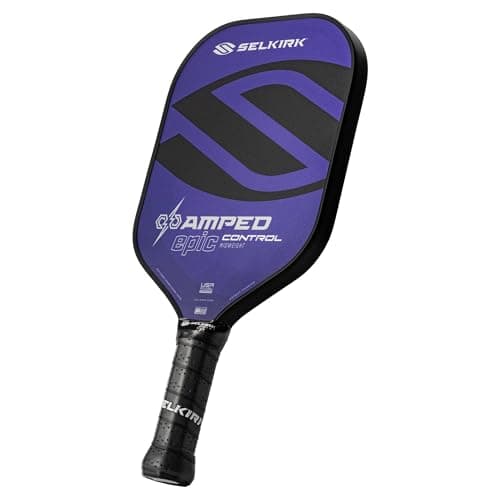 Selkirk Amped Control (Epic Lightweight) A control-tuned hybrid that absorbs pace, in Selkirk's lightweight build. | Best lighter control paddle | 4.4/5 | $99.99Amazon |
| 04 | 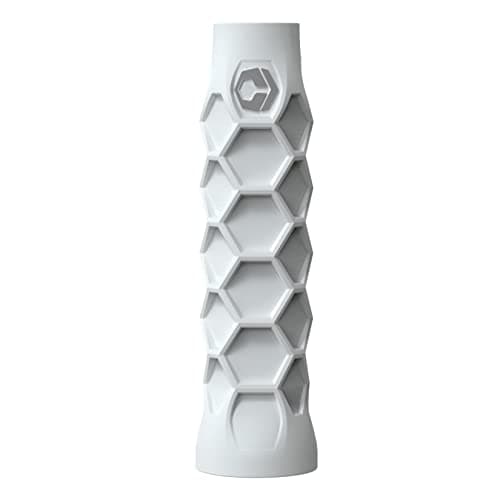 Hesacore Pickleball Paddle Grip A molded grip that spreads load across the hand and cuts vibration. | Best fix for a paddle you already own | 4.4/5 | $26.90Amazon |
#ad · Live prices from Amazon as of October 20, 2026; where we have no verified live price we show none. We may earn a commission — see our affiliate disclosure.
Lateral epicondylitis — tennis elbow — is an overuse injury of the tendons that attach the forearm extensors to the outside of the elbow. It builds from repeated load, and pickleball supplies that load generously: a stiff paddle, a hard plastic ball, a lot of one-handed backhands, and a sport people happily play four days a week the month they discover it.
Equipment cannot heal a tendon. What it can do is change how much shock reaches your arm on every one of the several hundred contacts you make in a session, which is the difference between a tendon that gets a chance to recover and one that doesn't. My overall pick is the ProKennex Pro Flight; if you already own a paddle you like, start with the Hesacore grip before you replace it.
First, the important part
One non-equipment note worth more than any paddle on this page: the single biggest predictor of elbow trouble in new pickleball players is volume ramped too fast. Three sessions a week for someone who did nothing athletic last year is a lot of tendon load. Adding a rest day usually beats adding a purchase.
What actually reduces arm load
A thicker core. A 16mm core absorbs more of the impact than a 14mm one and returns less of it to your hand. This is the single most effective spec change, and it costs you a little power. Our 14mm vs 16mm guide has the full comparison.
Vibration damping in the build.Some paddles put a damping layer between the face and core specifically to cut the high-frequency buzz that reaches the handle. JOOLA's SK Film is one; ProKennex has built an entire brand identity around shock absorption.
A grip that fits — usually a slightly larger one. A grip that is too small makes you squeeze harder to keep the paddle from turning, and sustained grip tension is directly implicated in extensor tendon load. Sizing up a fraction, or adding an overgrip, often helps more than people expect. See our grip size guide.
Less paddle weight, or at least less swing weight.Static weight matters, but where the mass sits matters more — a head-heavy elongated paddle loads the wrist and elbow harder than its scale weight suggests. Our paddle weight guide explains the difference.
Softer balls, where you get the choice.Indoor balls are softer and less punishing than hard outdoor balls. If you have a say in what your group plays with, it is a free change — see indoor vs outdoor balls.
At a glance
Specs come from each manufacturer's published listing. Live prices are on the buttons below.
| Product | Type | Key comfort feature | Best for |
|---|---|---|---|
| ProKennex Pro Flight | Paddle | Shock-absorbing platform, Comfort Pro grip | Ongoing elbow pain |
| JOOLA Scorpeus Heat Vision | Paddle | SK Film vibration damping, standard shape | Prevention while keeping performance |
| Selkirk Amped Control (Epic) | Paddle | Control tuning in a lightweight build | Lower swing weight |
| Hesacore Paddle Grip | Grip | Molded load spreading, reduced vibration | Keeping your current paddle |
Best overall for arm comfort: ProKennex Pro Flight
ProKennex is the brand players with arm trouble get pointed toward, and it has earned that reputation by designing around impact absorption rather than raw output. The Pro Flight pairs a Toray T700 carbon fiber face — so you keep real spin — with a Comfort Pro grip, and it is USAPA approvedfor sanctioned play. It is the paddle I'd try first if elbow pain is already limiting how often you can play.
| Surface | Toray T700 carbon fiber |
|---|---|
| Grip | Comfort Pro |
| Design focus | Impact and shock absorption |
| Certification | USAPA approved |
| Best for | Players with active elbow symptoms |
What I like: the feel is noticeably muted through the handle compared with a stiff thermoformed paddle, and you don't have to give up the carbon face to get it. What gives me pause: it is priced with the flagships, and a damped paddle returns less free power — you will work harder for pace. That trade is the entire point, but it is a real one.
Best mainstream damped paddle: JOOLA Scorpeus Heat Vision 16mm
If you want a modern performance paddle that happens to be kinder to your arm, this is the one. The Scorpeus Heat Vision runs a 16mm core in a standard shape — both good news for load — and adds SK Film between the face and core specifically to reduce vibration. The textured carbon fiber surface keeps the spin you need, and it is USAP approved.
| Surface | Textured carbon fiber |
|---|---|
| Core | 16mm |
| Shape | Standard (wider sweet spot) |
| Damping | SK Film (reduced vibration) |
| Certification | USAP approved |
What I like: the standard shape matters as much as the damping — a wider sweet spot means fewer jarring off-center hits, which is where most of the bad shock comes from. What gives me pause: it is a performance paddle first, so it is firmer than a dedicated comfort build. More on the shape question in best all-court paddles.
Best lighter control paddle: Selkirk Amped Control (Epic Lightweight)
Two of the things that reduce arm load — a control tuning and lower swing weight — come together here. The Amped Control is a control-oriented paddle in Selkirk's mid-tier Amped line, built in the hybrid Epic shape and offered in a lightweightbuild. Control paddles are arm-friendly almost by definition: they are tuned to absorb incoming pace rather than return it, and absorbed pace is pace that doesn't travel back up your forearm. The lighter build and hybrid outline keep swing weight down, which is the other half of the load equation.
| Line | Selkirk Amped (mid tier) |
|---|---|
| Shape | Epic (hybrid) |
| Build | Lightweight |
| Character | Control-oriented, absorbent |
| Best for | Lowering both impact shock and swing weight |
What I like: it targets swing weight as well as impact, which most "comfort" paddles ignore. What gives me pause: it has no dedicated damping technology — the comfort comes from tuning and mass distribution rather than engineering, so it won't match the ProKennexif symptoms are severe. It is also a retired line — Selkirk's February 2026 reset replaced the Amped Control with the SLK Dauntless— so while it is still stocked at a normal price and under warranty, treat it as a buy-now model rather than one you can reorder indefinitely. More options in best control paddles and best Selkirk paddles.
Best upgrade to a paddle you already own: Hesacore grip
Before you replace a paddle you otherwise like, change the grip. The Hesacore is a molded griprather than a flat wrap — its raised pattern spreads contact across more of the palm and fingers, which lets you hold the paddle securely without squeezing as hard. Reduced grip tension is one of the few things that reliably takes load off the extensor tendons. It is also marketed explicitly for vibration reduction and tennis elbow support, at a fraction of a paddle's price.
| Type | Molded replacement grip |
|---|---|
| Length | 5.25 in |
| Benefit | Load spreading, reduced grip tension |
| Also | Vibration reduction, anti-sweat |
| Best for | Trying a fix before buying a new paddle |
What I like: it is the highest-value experiment on this page — if it works, you saved the cost of a paddle. What gives me pause: the molded texture is polarizing, and it changes your effective grip size, so check our grip size guide first. Plain cushioned overgrips are the gentler version of the same idea.
What to avoid
Thin cores. A 14mm or thinner core is a power choice, and power comes from returning energy rather than absorbing it. The power roundup exists for players who want that; if your elbow hurts, you are not one of them right now.
Stiff solid-core and heavily thermoformed builds. The construction that makes Gen 3 paddlesexciting — rigid frames, foam-loaded cores — also transmits more feedback to the hand. Great for a healthy arm, bad for a sore one.
A grip that is too small. The most common and most fixable mistake. If your hand cramps or the paddle twists on off-center hits, you are squeezing to compensate.
Long elongated paddles, at least for now. More lever means more torque at the wrist and elbow on mishits. The reach is nice; it is not worth a tendon. Our elongated roundup explains the trade in detail.
The bottom line
If pain is already limiting your play, the ProKennex Pro Flight is the paddle built for the problem. If you want a current performance paddle that is kinder than most, the JOOLA Scorpeus Heat Vision. Want the lightest swing of the three, the Selkirk Amped Control. And before any of them, try the Hesacore gripon the paddle you own — it is the cheapest change with the best odds. Then go get the elbow looked at properly.
If the pain is in your hands and fingers rather than your elbow, the properties that help are different — grip circumference and core softness rather than vibration damping. That is covered in best pickleball paddles for arthritis. And since grip pressure is the biggest single contributor to forearm load, it is worth reading how to hold a pickleball paddle as well.
Frequently asked questions
Can a pickleball paddle cause tennis elbow?
A paddle doesn't cause it on its own, but it contributes. Tennis elbow is an overuse injury of the forearm extensor tendons, and every contact sends shock up the arm. A stiff, thin-core, head-heavy paddle with an undersized grip maximizes that load; a thicker-core, damped, correctly-sized paddle minimizes it. Playing volume is usually the bigger factor than the paddle.
What paddle weight is best for tennis elbow?
Lighter generally helps, but where the weight sits matters more than what the scale says. A head-heavy paddle loads the wrist and elbow harder than its static weight suggests, so a slightly heavier balanced paddle can be gentler than a lighter head-heavy one. Aim for a neutral or handle-biased balance and avoid long elongated shapes while symptoms are active.
Does a thicker paddle core help with elbow pain?
Yes — it's the most effective single spec change. A 16mm core absorbs more impact energy and returns less of it to your hand than a 14mm core does. You trade a little power for it, which is the right trade if your arm is hurting. Every paddle recommended on this page uses a thicker, more absorbent construction.
Should I change my grip size if my elbow hurts?
It's worth checking. A grip that's too small forces you to squeeze harder to stop the paddle twisting, and sustained grip tension loads the extensor tendons directly. Going up a fraction of an inch — or adding a cushioned overgrip, or a molded grip that spreads the load — often reduces symptoms noticeably and costs far less than a new paddle.
Will a new paddle fix my tennis elbow?
No. Equipment changes how much load your arm takes per session, which gives an irritated tendon room to recover — but the recovery comes from managed load, strengthening and time, usually guided by a clinician. Treat a gentler paddle as removing an obstacle to healing, not as the treatment itself.
Sources
- USA Pickleball — equipment standards
- ProKennex — Pro Flight specifications
- JOOLA — Scorpeus Heat Vision specifications (SK Film)
- Selkirk — Amped Control (Epic) specifications
- Selkirk — all-new SLK lineup press release (Feb 17, 2026: Dauntless replaces the Amped Control series)
- Hesacore — pickleball grip product information
Keep reading
- Pickleball paddle weight guide →Rally & Dink
- Pickleball paddle grip size guide →Rally & Dink
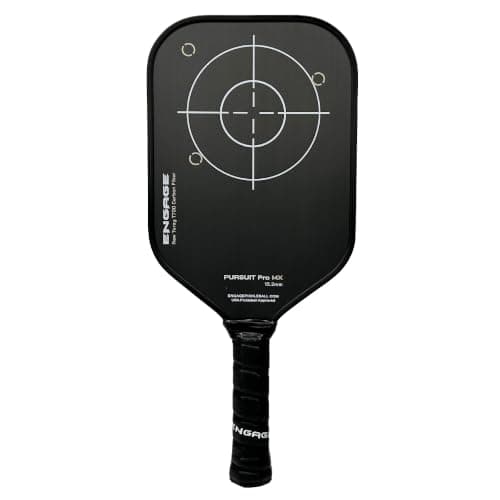
- Best pickleball paddles for control →
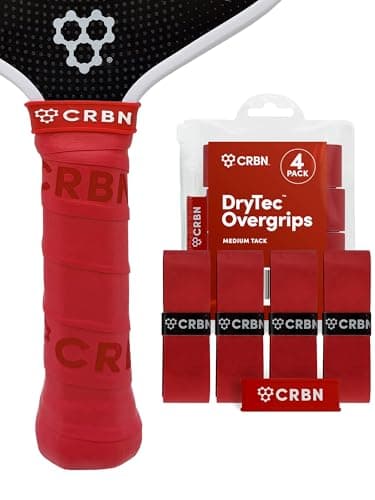
- Best pickleball overgrips →
- 14mm vs 16mm pickleball paddles →Rally & Dink
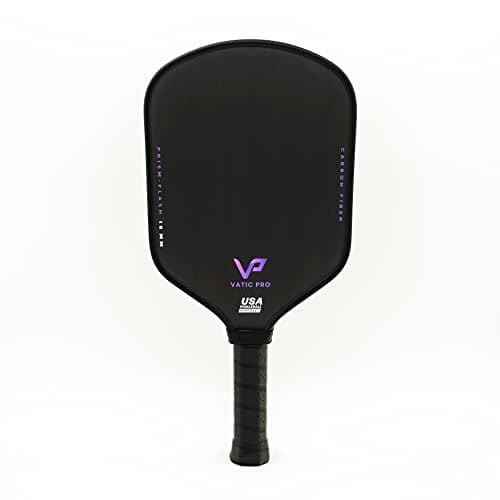
- Best all-court pickleball paddles →
- Best pickleball paddles for seniors →
- How to add lead tape to a pickleball paddle →Rally & Dink
Upgrading your paddle or gearing up to play?
See how we pick, then dig into the paddle roundups and buying guides — honest picks from someone who actually plays, with no inventory to move.