Paddle Roundup
The Best Pickleball Paddles for Seniors in 2026
Pickleball's biggest demographic is not 25-year-olds, and most paddle marketing pretends otherwise. These six are chosen for the things that actually matter after 60: swing weight, sweet spot, shock, and a grip your hand is happy to hold for two hours.
The short answer
Quick picks
| # | Product | Best for | Score | Price |
|---|---|---|---|---|
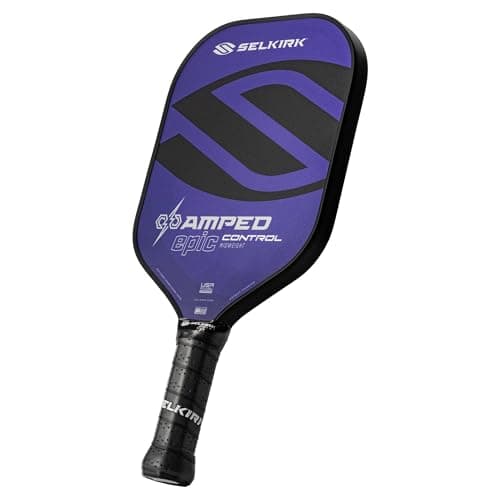
| 01 | Selkirk Amped Control (Epic Lightweight) A light, control-tuned Selkirk that absorbs pace instead of throwing it back at your arm. | Best overall | 4.6/5 | $99.99Amazon |
| 02 | 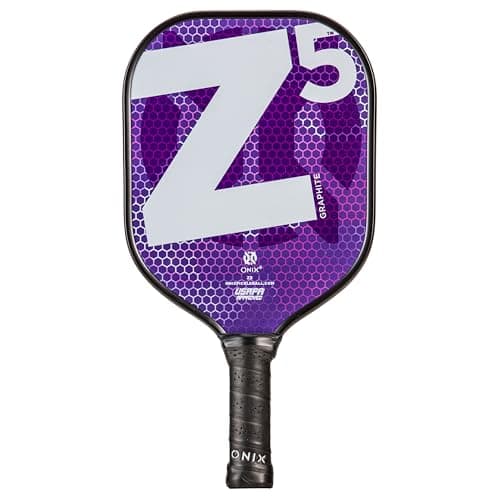 Onix Graphite Z5 The most forgiving face in the sport, at a price that has not moved in years. | Biggest sweet spot | 4.4/5 | $66.31Amazon |
| 03 | 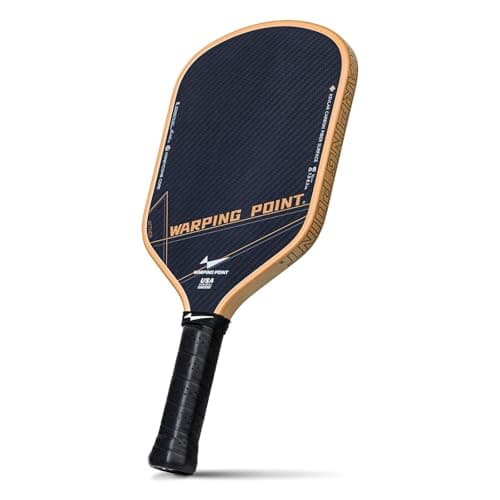 Warping Point Aether 16mm A 16mm wide-cell core built around a light face and arm comfort, near $100. | Best value arm-friendly pick | 4.3/5 | $99.99Amazon |
| 04 | JOOLA Journey About 7.8 oz with a slim grip - the easiest paddle on this page to swing all day. | Lightest paddle here | 4.0/5 | Check price → |
| 05 | 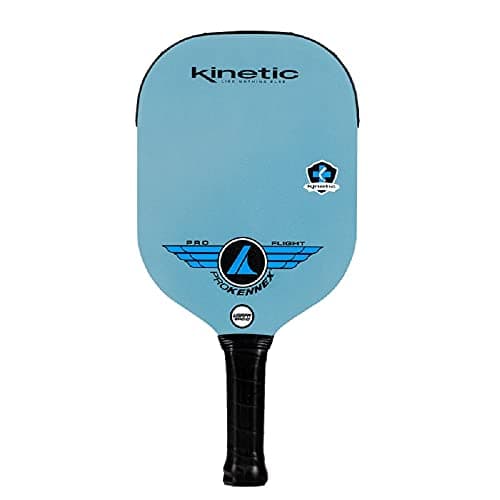 ProKennex Pro Flight The brand built around shock absorption, with a Toray T700 face and Comfort Pro grip. | Best for joint comfort | 4.5/5 | $189.95Amazon |
| 06 | 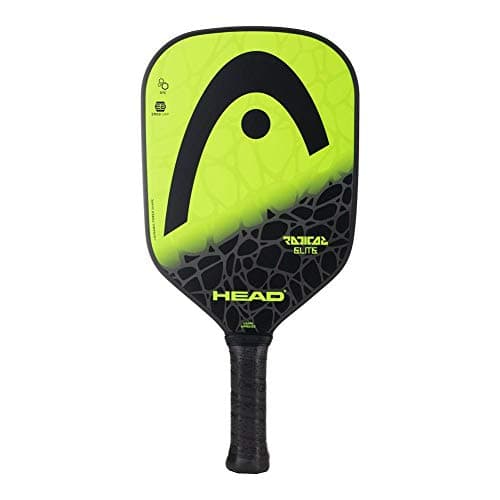 HEAD Radical Elite A wide, easy, trusted-brand paddle for the smallest sensible outlay. | Best budget | 3.9/5 | $44.95Amazon |
#ad · Live prices from Amazon as of October 19, 2026; where we have no verified live price we show none. We may earn a commission — see our affiliate disclosure.
There is no such thing as a "senior paddle". No manufacturer builds one, no certification body recognizes one, and any brand telling you otherwise is selling you a color scheme. What does exist is a set of specifications that matter more as you play more often, recover a little slower, and care rather a lot about still being able to play on Thursday after playing on Wednesday.
That is what this page ranks on: swing weight, sweet spot, and how much shock the paddle sends into your hand and elbow. My overall pick is the Selkirk Amped Control in the Epic Lightweight build— a control-first paddle that absorbs pace rather than returning it. If forgiveness is all you want and you would rather spend $60 than $100, the Onix Graphite Z5 has been the right answer for a decade.
First, the honest part
I am a pickleball player, not a doctor, and nothing here is medical advice. If you are managing arthritis, a rotator cuff, an elbow, or anything else that hurts, the right first call is a physio or physician who can look at your actual joint — not a paddle review. A paddle can reduce load. It cannot fix a joint, and no paddle should be bought as treatment.
What a paddle can honestly do is make each impact gentler and each swing easier, so that the same two hours cost your body less. That is worth real money, and it is what the picks below are chosen for. If you already have persistent elbow pain specifically, start with our best paddles for tennis elbowpage instead — it goes deeper on shock and damping.
The three specs that actually matter
Ignore the marketing vocabulary for a minute. Three numbers change how a paddle feels over a long session, and only one of them is printed on the box.
1. Swing weight, not static weight.A paddle's listed weight (usually 7.3–8.5 oz) tells you what it weighs sitting still. What your shoulder feels is how that weight is distributed — mass out at the tip makes a paddle feel far heavier through a swing than the same ounces held near the handle. This is why an 8.0 oz widebody can feel lighter than a 7.8 oz elongated paddle. Shorter, wider heads generally swing lighter. Our paddle weight guide covers the full picture.
2. Core thickness. A 16mm core compresses more on impact than a 13mm one, which means it absorbs energy that would otherwise travel up your forearm. Thicker cores also make the paddle more control-friendly and forgiving. For most players over 60 the answer is simply: buy 16mm. See 14mm vs 16mm for the trade-offs.
3. Grip circumference. This is the one nobody checks and everyone should. A grip that is too small makes you squeeze harder to stop the paddle twisting, and squeezing harder is exactly what aggravates a forearm. If your hands are stiff in the morning, err larger, or build up a small grip with an overgrip. Details in our grip size guide.
How we picked
I don't sell paddles and no brand pays for a spot here. Each paddle is one I have played with directly or evaluated against its verified manufacturer specifications plus court time on the same models and close siblings — I say which in each write-up. The full method is on how we review.
For this list I weighted, in order: how the paddle swings (light and balanced beats light on a scale), how big and low the sweet spot is, how much the core damps impact, and whether the grip suits an average adult hand without immediate modification. Price broke ties — a paddle you replace happily every couple of years beats a flagship you nurse.
At a glance
| Paddle | Face | Core | Character | Best for |
|---|---|---|---|---|
| Selkirk Amped Control (Epic LW) | Carbon hybrid | Control-tuned polymer | Soft, damped | All-round comfort |
| Onix Graphite Z5 | Graphite | Nomex honeycomb | Very forgiving | Maximum sweet spot |
| Warping Point Aether | Light carbon face | 16mm wide-cell | Soft, arm-friendly | Value comfort |
| JOOLA Journey | Fiberglass composite | Thin polymer | Very light | Quick hands, small hands |
| ProKennex Pro Flight | Toray T700 carbon | Kinetic damped | Shock-absorbing | Joint comfort |
| HEAD Radical Elite | Fiberglass | Polymer honeycomb | Easy, wide | Lowest price |
Best overall: Selkirk Amped Control (Epic Lightweight)
This is the paddle I would hand a 68-year-old who plays four mornings a week and does not want a project. The Amped Control is Selkirk's control-tuned hybrid: a face and core combination set up to absorb incoming pace rather than fling it back. In the Epic Lightweightbuild it uses Selkirk's classic non-elongated head shape and a reduced weight, so it swings easily and sits neutrally in the hand.
| Surface | Carbon hybrid face |
|---|---|
| Core | Control-tuned polymer |
| Shape | Epic (Selkirk's classic head) |
| Build | Lightweight |
| Certification | USA Pickleball approved |
| Best for | Comfortable, controlled all-round play |
What I like: it takes pace off the ball for you, which makes resets and blocks dramatically easier when someone half your age drives at your feet. What gives me pause: it is deliberately not a power paddle, so if you like to hit hard from mid-court you will feel the ceiling. It also appears in our best control paddles and best Selkirk paddles roundups.
Biggest sweet spot: Onix Graphite Z5
Half of what makes pickleball tiring is the shots you nearly hit. The Z5's widebody head gives you the biggest, lowest sweet spot on this page, so more of your contacts are clean and fewer of them jar your wrist. A graphite face over a Nomex honeycomb core keeps it stable, the cushioned comfort grip is genuinely pleasant, and it costs a fraction of the flagships.
| Surface | Graphite (textured) |
|---|---|
| Core | Nomex honeycomb |
| Shape | Widebody |
| Grip | Cushioned comfort grip, ~4 1/4 in |
| Certification | USA Pickleball approved |
| Best for | Players who want the most forgiving face available |
What I like: nothing here is easier to make clean contact with, and the price means you are not precious about it. What gives me pause: the Nomex core is one of the firmer cores in the sport — it is forgiving in area but not especially soft, so if shock is your main concern the ProKennex or Aether will serve you better. Full write-up in our Onix Graphite Z5 review.
Best value arm-friendly pick: Warping Point Aether 16mm
The Aether is an unusual paddle: a small brand building explicitly around comfort rather than power. It uses a 16mm wide-cell core— larger honeycomb cells, which compress more readily than a fine cell structure — under a light face, and Warping Point markets it as an arm-friendly design rather than a spin monster. It is USA Pickleball approved and sits around the $100 mark.
| Surface | Lightweight textured face |
|---|---|
| Core | 16mm MaxCell wide-cell polymer |
| Design intent | Arm-friendly, control and spin |
| Certification | USA Pickleball approved |
| Best for | Comfort-first players who want a modern 16mm build |
What I like: a thick, soft-compressing core and a genuinely light head for the money — the combination this list exists to find. What gives me pause: Warping Point is a small brand with a short track record, so long-term durability data is thin compared with Selkirk or Onix, and a softer core means less free power. Compare against the wider value field in best paddles under $100.
Lightest here: JOOLA Journey
If your shoulder is the limiting factor rather than your elbow, weight is the lever to pull. The Journey comes in at about 7.8 ozin a widebody head with a slim 4-inch grip, which makes it one of the quickest paddles here to get into position — genuinely useful in fast hands exchanges at the kitchen, and noticeably less tiring in the third hour.
| Surface | Fiberglass composite |
|---|---|
| Core | Thin polymer honeycomb (~10mm) |
| Shape | Widebody |
| Weight | About 7.8 oz |
| Grip | ~4 in (thin) |
| Best for | Shoulder-friendly, fast, easy swinging |
What I like: light, quick and forgiving in the hand from a brand with real build quality. What gives me pause: the thin core is the trade — less compression means more of each impact reaches you, which is the opposite of what someone managing elbow discomfort wants. And the slim grip will need an overgrip for most adult hands.
Best for joint comfort: ProKennex Pro Flight
ProKennex has built its entire racquet-sports identity on shock absorption, and the Pro Flight is the pickleball expression of it: a Toray T700 carbon face, a damped Kinetic construction, and a Comfort Pro grip. If the thing standing between you and four sessions a week is what your elbow feels like the next morning, this is the paddle on this page most likely to help.
| Surface | Toray T700 carbon fiber |
|---|---|
| Core | Kinetic damped construction |
| Grip | Comfort Pro grip |
| Certification | USA Pickleball approved |
| Best for | Players prioritizing shock reduction above all |
What I like: the most deliberately damped paddle here, from the brand with the longest history of taking the problem seriously. What gives me pause: it is the most expensive pick on the page by a distance, and the damping costs you some feedback — some players find it slightly muffled. It leads our best paddles for tennis elbow roundup too.
Best budget: HEAD Radical Elite
Not everyone wants to spend $100 on a paddle to play social doubles twice a week, and that is a completely reasonable position. The Radical Elite uses HEAD's wider Dynamic Power Shapewith a smooth fiberglass face and a polymer honeycomb core — forgiving, comfortable, USA Pickleball approved, and frequently the cheapest trusted-brand paddle on the market.
| Surface | Fiberglass (smooth) |
|---|---|
| Core | Polymer honeycomb |
| Shape | Dynamic Power Shape (wide) |
| Grip | Comfort grip, ~4 1/4 in |
| Certification | USA Pickleball approved |
| Best for | Casual play at the lowest sensible price |
What I like: wide, easy and cheap, from a brand that has made racquets for decades. What gives me pause: it is a basic paddle — almost no spin from the smooth face, and a poppier, less refined feel than the carbon paddles here. See more entry options in best beginner paddles and best paddles under $75.
The cheapest upgrade: fix the grip
Before you replace a paddle you otherwise like, spend ten dollars on the handle. A grip that is a quarter-inch too small forces you to hold on tighter, and grip pressure is one of the biggest contributors to forearm fatigue. Two fixes cost almost nothing.
Build the grip up.One overgrip adds roughly 1/16 inch of circumference; two adds about an eighth. A tacky overgrip also lets you hold on with less force, which is the real win — our best overgrips roundup covers the options.
Change the grip shape. Molded grips that spread load across the palm rather than concentrating it in the fingers help a lot of players with stiff or arthritic hands. They are covered in the tennis elbow roundup, and they work on any paddle you already own.
The bottom line
For most players over 60 buying one paddle to keep, the Selkirk Amped Control (Epic Lightweight) is the balanced answer: light, soft and easy to control. Want the most forgiving face for the least money? The Onix Graphite Z5. Want a modern 16mm build tuned for comfort around $100? The Warping Point Aether. Shoulder-limited and want the lightest thing here? The JOOLA Journey. Elbow-limited and willing to pay for it? The ProKennex Pro Flight. Playing twice a week and unwilling to spend much? The HEAD Radical Eliteis an honest paddle. And whichever you buy, check the grip — it is the cheapest improvement available to you.
Two companion pages if a specific joint is the issue: best pickleball paddles for arthritis for hand and finger pain, and best paddles for tennis elbow for the forearm.
If low weight is the spec you care most about, our best lightweight pickleball paddles roundup ranks every paddle we carry with a published weight at or under about 8 oz.
Frequently asked questions
What weight pickleball paddle is best for seniors?
Most players over 60 do best somewhere between about 7.5 and 8.0 oz, but swing weight matters more than the number on the box. A paddle with its mass near the handle and a shorter head will feel far lighter through a swing than a heavier-feeling elongated paddle of the same listed weight. If your shoulder is the limiting factor, go lighter; if your elbow is, a slightly heavier paddle with a thick core often transmits less shock.
Is a 16mm paddle better for seniors than a 13mm?
Usually yes. A thicker core compresses more on impact, which absorbs energy that would otherwise travel into your hand and forearm, and it makes the paddle more control-friendly and forgiving. Thinner cores are livelier and hit harder, but they are firmer and less comfortable over a long session. For most senior players, 16mm is the default and 13mm is the exception.
Do carbon fiber paddles hurt your arm more than fiberglass?
No — face material is not the variable that matters for comfort. Carbon grips the ball for more spin and fiberglass tends to be poppier, but neither one determines how much shock reaches your arm. What determines that is core thickness, core softness, any damping built into the construction, and how tightly you hold the grip.
What grip size should a senior player use?
The one that lets you hold the paddle without squeezing. Too small a grip makes you clamp down to stop it twisting, and sustained grip pressure is a major cause of forearm fatigue and soreness. If you are between sizes, go larger, or build a small grip up with one or two overgrips. Players with stiff or arthritic hands often do better with a molded grip that spreads load across the palm.
Do I need an expensive paddle to enjoy pickleball at 65?
No, and expensive can actively be wrong. Many premium paddles are stiff, thin-cored power tools designed for players who want to hit harder — exactly the opposite of what most recreational senior players want. A forgiving 16mm paddle with a light swing weight in the $60 to $110 range will suit the majority of players better than a $250 flagship.
Sources
- USA Pickleball - equipment standards & approved paddle list
- Selkirk - Amped paddle specifications
- Selkirk - all-new SLK lineup press release (Feb 17, 2026: Dauntless replaces the Amped Control, SLK Halo and Vanguard Control series)
- Onix - Graphite Z5 specifications
- ProKennex - Pro Flight specifications
- JOOLA - Journey specifications
- HEAD - Radical Elite specifications
Keep reading
Upgrading your paddle or gearing up to play?
See how we pick, then dig into the paddle roundups and buying guides — honest picks from someone who actually plays, with no inventory to move.