Paddle Roundup
The Best Widebody Pickleball Paddles in 2026
Elongated paddles get the marketing. Widebody paddles win the points you would otherwise have shanked. If your contact is not perfect every single time - and nobody's is - this is the shape you should be looking at.
The short answer
Quick picks
| # | Product | Best for | Score | Price |
|---|---|---|---|---|
| 01 | Selkirk SLK Evo Control Max Selkirk's Max shape with a carbon face - wide and forgiving without giving up spin. | Best overall widebody | 4.6/5 | Check price → |
| 02 | 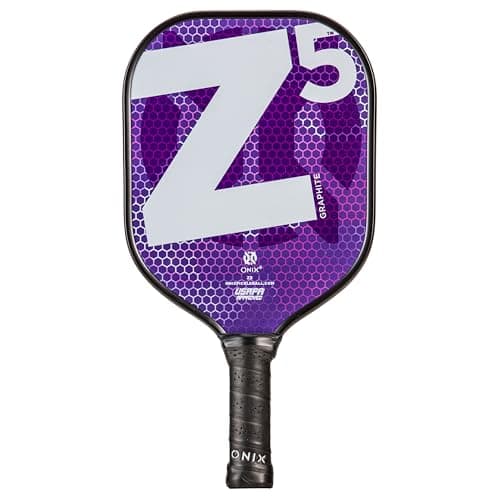 Onix Graphite Z5 The archetypal widebody, and still one of the most forgiving faces in the sport. | Biggest sweet spot | 4.4/5 | $66.31Amazon |
| 03 | 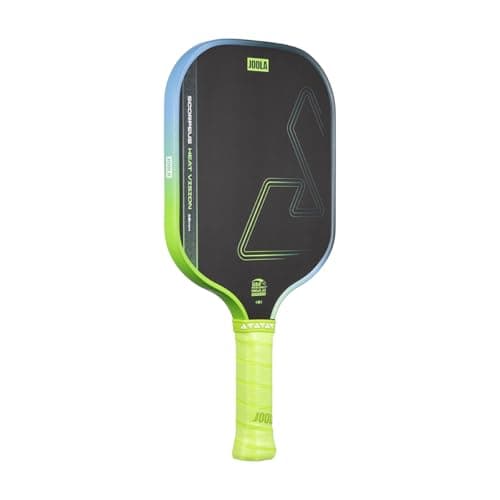 JOOLA Scorpeus Heat Vision 16mm Modern carbon and damping in a wide standard head - forgiveness without feeling dated. | Best standard shape | 4.5/5 | $99.95Amazon |
| 04 | 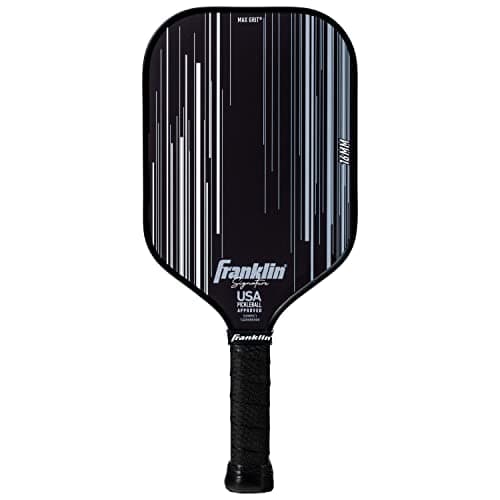 Franklin Signature Pro 16mm A tournament-legal standard shape with a 16mm control core, for very little money. | Best value | 4.2/5 | $63.46Amazon |
| 05 | 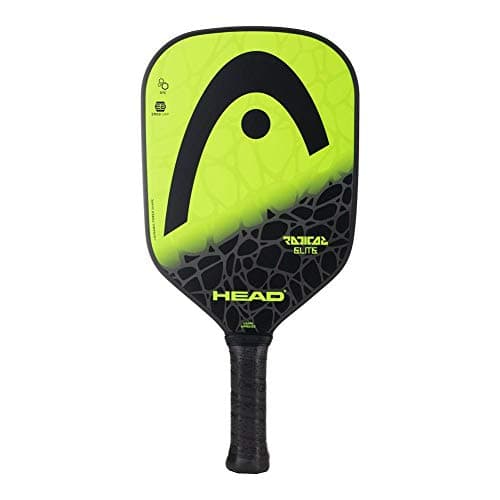 HEAD Radical Elite HEAD's wider Dynamic Power Shape - about as easy to make contact with as paddles get. | Best for new players | 4.0/5 | $44.95Amazon |
| 06 | JOOLA Journey A light widebody with a slim grip - quick hands for smaller hands. | Best lightweight widebody | 3.9/5 | Check price → |
#ad · Live prices from Amazon as of October 20, 2026; where we have no verified live price we show none. We may earn a commission — see our affiliate disclosure.
Paddle shape is governed by one hard rule: USA Pickleball caps total length plus width at 24 inches, with length itself capped at 17. Every shape decision in the sport is a negotiation inside that budget. Spend it on length and you get an elongated paddle with reach and leverage. Spend it on width and you get a widebody— a shorter, broader head with the largest, most forgiving sweet spot available.
The industry has spent five years selling players the first option. For a lot of us the second one is simply the better paddle. My overall pick is the Selkirk SLK Evo Control Max, which is the rare paddle that pairs a wide modern head with a carbon face that still grips the ball. If you want the widest, kindest face in the sport regardless of anything else, the Onix Graphite Z5 has been the answer for a decade. And if you are here because you keep catching balls off the edge, read the section on who should buy one before you spend anything.
What 'widebody' actually means
There is no legal definition, so brands use their own vocabulary. In practice paddles fall into three groups.
Widebodypaddles are the widest heads on the market with correspondingly short handles — the Onix Z5 is the reference point. Maximum face area at the widest point, minimum reach.
Standard shapepaddles are the modern middle: roughly 16 inches long and just under 8 wide, with a 5-inch-ish handle. JOOLA calls it "standard shape"; Selkirk's equivalent is its Max shape. This is where most forgiving modern carbon paddles live.
Elongatedpaddles push toward the 17-inch length limit and get narrow to stay legal. More reach and leverage, a smaller and higher sweet spot — covered in our best elongated paddles roundup.
This page covers the first two, because that is how the shape actually shops: players searching for a widebody are looking for forgiveness, and the widest standard-shape paddles deliver it in a more modern package than a true widebody can.
Who should buy one
Be honest with yourself about three things.
Where your mis-hits land. If you regularly catch balls low on the face or out toward the edge, a wider head fixes more of that than any amount of practice will in the short term. If your mis-hits are up near the tip, an elongated paddle may actually suit you better.
How fast the ball comes at you. Widebody paddles have short handles and quick swing weights, which makes them excellent in hands battles at the kitchen. If your game is played at the net, this shape is working for you.
Whether you hit two-handed backhands.If you do, a widebody's short handle is going to frustrate you. Look at a longer-handled standard shape or an elongated paddle instead — the trade-offs are laid out in how to choose a pickleball paddle.
How we picked
I don't sell paddles and no brand pays for placement. Every paddle here is one I've played with directly or evaluated against its verified manufacturer specs plus court time on the same models and close siblings — I say which in each write-up. The process lives on how we review.
For a shape-driven list, the shape claim has to be real: every paddle here is described as a widebody or a wide standard/Max shape by its own manufacturer, not by me squinting at a photo. Beyond that I weighed sweet-spot behavior, face material (a forgiving shape with a dead face is a wasted paddle), and price against what the paddle actually does.
At a glance
| Paddle | Shape | Face | Core | Best for |
|---|---|---|---|---|
| Selkirk SLK Evo Control Max | Max (wide) | Carbon fiber | Polymer | Forgiveness with spin |
| Onix Graphite Z5 | Widebody | Graphite (textured) | Nomex honeycomb | Maximum sweet spot |
| JOOLA Scorpeus Heat Vision | Standard | Textured carbon fiber | 16mm polymer | Modern all-court |
| Franklin Signature Pro | Standard | MaxGrit fiberglass | 16mm polypropylene | Tournament value |
| HEAD Radical Elite | Dynamic Power (wide) | Fiberglass | Polymer honeycomb | New players |
| JOOLA Journey | Widebody | Fiberglass composite | Thin polymer | Light, quick hands |
Best overall widebody: Selkirk SLK Evo Control Max
The SLK line is Selkirk's accessible range, and the Evo Control in the Maxshape is the one to buy if forgiveness is the goal. Max is Selkirk's wide head — broader face, shorter handle — and pairing it with a carbon fiber face and a control-tuned polymer core produces a paddle that is genuinely hard to mis-hit but still does something to the ball. That combination is rarer than it should be: most very forgiving paddles are forgiving because their faces are smooth and dead.
| Surface | Carbon fiber |
|---|---|
| Core | Polymer honeycomb (control tuned) |
| Shape | Max (Selkirk's wide head) |
| Certification | USA Pickleball approved |
| Best for | Players who want a big sweet spot without losing spin |
What I like: the widest genuinely modern paddle on this page, with a carbon face that keeps spin on the table. What gives me pause: the Max shape's short handle rules out comfortable two-handed backhands, and the Evo sits below Selkirk's premium lines, so you are not getting Vanguard-grade materials. See it in context in best control paddles and best Selkirk paddles.
Biggest sweet spot: Onix Graphite Z5
The Z5 is the paddle most people picture when they hear "widebody". A graphite face over a Nomex honeycomb core in a wide, short-handled head gives you an enormous low sweet spot and a cushioned comfort grip that stays pleasant through long sessions. It has taught more people to play pickleball than almost any other paddle, and it has stayed in the range because the shape genuinely works.
| Surface | Graphite (textured) |
|---|---|
| Core | Nomex honeycomb |
| Shape | Widebody |
| Grip | Cushioned comfort grip, ~4 1/4 in |
| Certification | USA Pickleball approved |
| Best for | Control players who want maximum forgiveness |
What I like: about as forgiving as a paddle gets, at a price that has not moved much in years. What gives me pause: the Nomex core is firmer and louder than modern polypropylene, and the graphite face makes far less spin than any carbon paddle here — this is touch and placement, not a spin weapon. Full write-up in our Onix Graphite Z5 review, and the rest of the brand's range — including its modern raw carbon paddle — is ranked in the best Onix paddles.
Best standard shape: JOOLA Scorpeus Heat Vision 16mm
If "widebody" to you means "I want a forgiving paddle that does not feel like it came from 2016", this is the answer. The Scorpeus Heat Vision is a standard-shapepaddle — wide head, moderate handle — with a textured carbon fiber face over a 16mm polymer core and JOOLA's damping layer between them. You get a broad, low sweet spot and a quiet, muted impact, plus enough face texture to actually roll a ball.
| Surface | Textured carbon fiber |
|---|---|
| Core | 16mm polymer honeycomb |
| Shape | Standard (wide head) |
| Notable | Internal damping layer for a softer impact |
| Best for | All-court players who want forgiveness and spin |
What I like: the best-balanced paddle on this page, and the softest impact of the carbon options — which is why it also appears in our best paddles for tennis elbow list. What gives me pause: it is a standard shape, not a true widebody, so a Z5 owner will find it narrower; and it costs more than double the classic widebodies here.
Best value: Franklin Signature Pro 16mm
A standard-shape, tournament-legal paddle for well under $50 is a genuinely useful thing to know about. The Signature Pro puts a textured MaxGrit surfaceover a 16mm polypropylene honeycomb core, and Franklin — the official ball supplier to USA Pickleball — is not a no-name brand. As a forgiving second paddle, a loaner, or a first real paddle after a starter set, it is hard to argue with.
| Surface | MaxGrit textured surface (fiberglass) |
|---|---|
| Core | 16mm polypropylene honeycomb |
| Shape | Standard |
| Grip | ~4 1/2 in (large) |
| Certification | USA Pickleball tournament approved |
| Best for | Value buyers who want a legal, forgiving paddle |
What I like: a thick control core and real surface texture at a price that makes the decision easy. What gives me pause: MaxGrit bites less than raw carbon and smooths out with use, and the 4 1/2 inch grip runs large for smaller hands. Read the full Franklin Signature Pro review.
Best for new players: HEAD Radical Elite
HEAD's entry paddle uses what the brand calls the Dynamic Power Shape— a wider head built specifically to enlarge the hitting area — over a polymer honeycomb core with a smooth fiberglass face. For someone in their first few months, whose main problem is simply making clean contact, that is exactly the right set of priorities.
| Surface | Fiberglass (smooth) |
|---|---|
| Core | Polymer honeycomb |
| Shape | Dynamic Power Shape (wide) |
| Grip | Comfort grip, ~4 1/4 in |
| Certification | USA Pickleball approved |
| Best for | Brand-new players learning contact |
What I like: a trusted racquet-sports brand, a wide friendly head, and frequently one of the lowest prices on the page. What gives me pause: the smooth fiberglass face makes very little spin and the build feels basic next to the carbon paddles here — expect to upgrade if you stick with the sport. More starting points in best beginner paddles.
Best lightweight widebody: JOOLA Journey
The Journey is a widebody built light. A fiberglass composite face over a thin polymer core in a wide head, at about 7.8 oz with a slim grip, makes it one of the quickest paddles here to move. For players with quick hands, small hands, or arm fatigue from a heavier paddle, the combination of a wide face and a low swing weight is a real advantage at the kitchen line.
| Surface | Fiberglass composite |
|---|---|
| Core | Thin polymer honeycomb (~10mm) |
| Shape | Widebody |
| Weight | About 7.8 oz |
| Grip | ~4 in (thin) |
| Best for | Light, fast play and smaller hands |
What I like: fast, forgiving and easy on the arm for a full session. What gives me pause: the thin core is firmer with a smaller effective sweet spot than a 16mm paddle despite the wide head, the smooth face makes limited spin, and the 4-inch grip is small enough that larger hands will want an overgrip — see our best overgrips and grip size guide.
The bottom line
If you want one wide paddle that still competes with modern equipment, buy the Selkirk SLK Evo Control Max. If forgiveness is the only thing that matters and you would rather add spin with technique, the Onix Graphite Z5 is still the widest, kindest face in the sport. Want a modern all-court paddle that happens to be forgiving? The JOOLA Scorpeus Heat Vision. On a budget, the Franklin Signature Pro; brand new, the HEAD Radical Elite; light and quick, the JOOLA Journey. And if after all this you suspect you actually want reach rather than width, our best elongated paddles roundup is the other half of this decision.
If you want the physics behind why width forgives, paddle twist weight explained covers the number that actually governs it, and the pickleball paddle sweet spot includes a five-minute test for finding the good zone on the paddle you already own.
Frequently asked questions
What is a widebody pickleball paddle?
A widebody paddle spends more of the legal size budget on width than on length. USA Pickleball caps combined length plus width at 24 inches, so a wider head means a shorter one and a shorter handle. The result is the largest, lowest sweet spot available and the most forgiving off-center contact — at the cost of reach and, usually, room for a two-handed backhand.
Is a widebody or elongated paddle better?
Neither, but they suit different players. Widebody paddles maximize sweet spot and hand speed, which helps at the kitchen line and helps anyone whose contact is not perfectly consistent. Elongated paddles add reach and leverage on serves, drives and overheads, at the cost of a smaller, higher sweet spot. If you mis-hit toward the edges, go wide; if you want reach and hit two-handed backhands, go elongated.
Do widebody paddles have less power?
Generally a little, and for two reasons. A shorter head gives you less leverage at the tip, and widebody paddles tend to have lower swing weights, which reduces the mass behind contact. The trade-off is that a bigger sweet spot means more of your shots hit cleanly, and a clean strike from a widebody beats a mis-hit from a power paddle every time.
What's the difference between widebody and standard shape?
Widebody is the widest, shortest category — the Onix Z5 is the reference. Standard shape is the modern middle ground: roughly 16 inches long and just under 8 wide with a usable handle, which most current carbon paddles use. Selkirk calls its equivalent the Max shape. Standard-shape paddles are less extreme than a true widebody but far more forgiving than an elongated one.
Can you use a widebody paddle for two-handed backhands?
It is difficult. Widebody paddles have short handles — often around 4 to 4.5 inches — which leaves very little room for a second hand. If two-handed backhands are part of your game, look at a longer-handled standard-shape paddle or an elongated one instead, where 5.5-inch handles are common.
Sources
Keep reading
Upgrading your paddle or gearing up to play?
See how we pick, then dig into the paddle roundups and buying guides — honest picks from someone who actually plays, with no inventory to move.