Paddle Roundup
The Best Elongated Pickleball Paddles in 2026
An elongated paddle buys you reach, leverage and serve speed — and charges you a narrower sweet spot and slower hands. These five are worth the deal, and this is who each one is for.
The short answer
Quick picks
| # | Product | Best for | Score | Price |
|---|---|---|---|---|
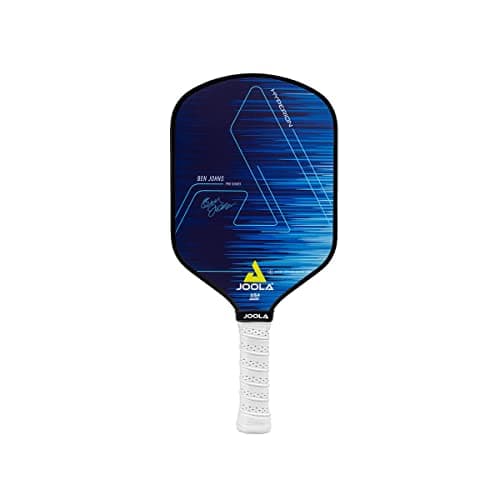
| 01 | JOOLA Ben Johns Hyperion CAS 16 The elongated benchmark — high-grit CAS face and a genuinely usable sweet spot. | Best overall elongated | 4.7/5 | $115.75Amazon |
| 02 | 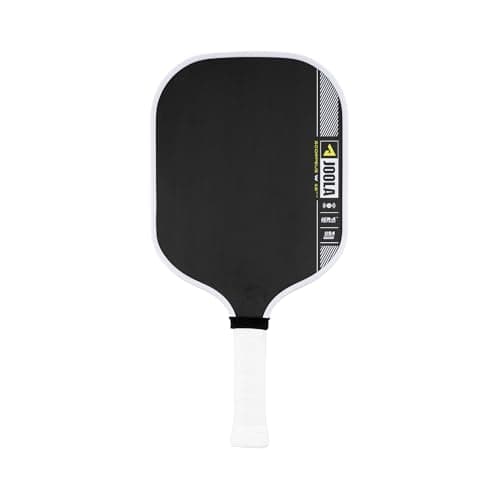 JOOLA Collin Johns Scorpeus Pro IV Reach with a soft-game bias — the defensive player's elongated paddle. | Best for touch and counters | 4.6/5 | $149.95Amazon |
| 03 | 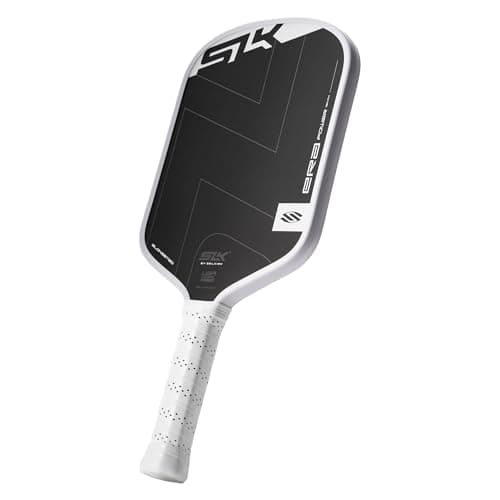 Selkirk SLK ERA Power (Elongated) Selkirk's power-first elongated build, for baseline-heavy games. | Best for drives | 4.4/5 | $199.99Amazon |
| 04 | 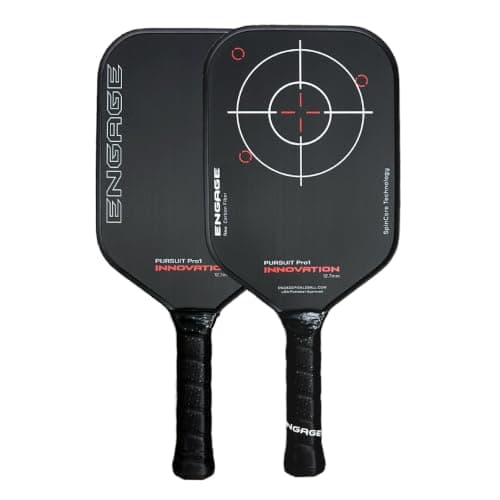 Engage Pursuit Pro1 A thin 12.7mm core and raw carbon face — extreme dwell and grab. | Best for spin and dwell | 4.5/5 | $99.99Amazon |
| 05 | 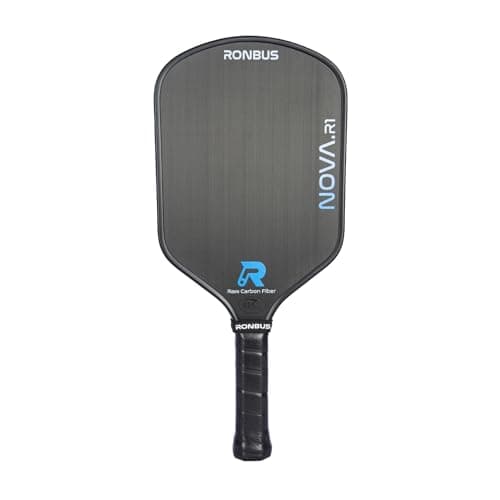 Ronbus R1.16 Nova Thermoformed elongated construction at a fraction of flagship money. | Best budget elongated | 4.2/5 | $79.99Amazon |
#ad · Live prices from Amazon as of October 20, 2026; where we have no verified live price we show none. We may earn a commission — see our affiliate disclosure.
Paddle regulations cap the combined length and width of a paddle, not the ratio between them. That single rule is why the elongated shape exists: manufacturers trade width for length, producing a paddle that is typically around 16.5 inches long and correspondingly narrower than a classic widebody. You get more reach and a longer lever — and a face that is easier to miss.
Elongated has become the default at the top of the sport, which is exactly why it gets bought by players it doesn't suit. This roundup is as much about whether you should own one as which one. My overall pick is the JOOLA Ben Johns Hyperion CAS 16, the paddle that made the shape mainstream and still handles the trade-off best; the Ronbus R1.16 Nova is the cheap way to find out if the shape is for you.
Why players choose elongated
Reach. Roughly half an inch to an inch of extra length sounds trivial until you are stretched wide for a dink or lunging for a ball at your feet in the transition zone. The balls you can reach at all is a bigger category than the balls you hit well.
Leverage.A longer paddle means contact happens further from your wrist, which multiplies the same swing into more head speed. That shows up most obviously on serves, overheads and drives — the shots where you are swinging freely rather than reacting.
Spin. Head speed is one of the two inputs to spin (face texture is the other), so the same stroke generates more revolutions on an elongated paddle. If your topspin drive is your weapon, the shape helps. See best paddles for spin for the face side of the equation.
What it costs you
A narrower sweet spot.The width you gave up came out of the middle of the face. Off-center contact on an elongated paddle is punished harder — less ball speed, more twist, more mishits into the net. Foam-filled and thermoformed builds claw some of this back, which is why most good elongated paddles are also expensive ones.
Slower hands. Mass sits further from your grip, so the paddle is slower to rotate. In a fast exchange at the kitchen line, that is the difference between blocking a speed-up and wearing it. If most of your points are decided in hands battles, this is a real cost.
More arm load.A longer lever transmits more torque to your wrist and elbow on off-center hits. Players with elbow history often do better with a standard shape — our tennis elbow roundup covers the alternatives.
At a glance
Specs come from each manufacturer's published listing. Live prices sit on the buttons.
| Paddle | Face | Core | Character | Best for |
|---|---|---|---|---|
| JOOLA Hyperion CAS 16 | Carbon Abrasion Surface | 16mm PP honeycomb | High grit, balanced | Overall |
| Collin Johns Scorpeus Pro IV | Tech Flex Power carbon | 16mm Propulsion Core | Touch-biased | Counters |
| Selkirk SLK ERA Power | Carbon fiber | Power build | Drive-first | Baseline play |
| Engage Pursuit Pro1 | Raw carbon fiber | 12.7mm | Extreme dwell / spin | Spin |
| Ronbus R1.16 Nova | Raw Toray T700 carbon | 16mm, thermoformed | Firm, powerful | Budget |
Best overall elongated: JOOLA Ben Johns Hyperion CAS 16
The Hyperion is the paddle that took elongated from a niche shape to the default at the top of the game, and the CAS 16 version remains the most complete expression of it. The Carbon Abrasion Surface is a genuinely high-grit face, the 16mm polypropylene honeycomb core keeps the soft game viable, and the Sure-Grip elongated handlegives you room for a two-handed backhand if you brought one from tennis — and if you are not sure how much handle that shot actually needs, our handle length guide gives the ranges.
| Surface | Carbon Abrasion Surface (CAS) |
|---|---|
| Core | 16mm polypropylene honeycomb |
| Shape | Elongated, Sure-Grip handle |
| Certification | USAPA approved |
| Best for | Players who want reach without losing the soft game |
What I like: of the elongated paddles I've played, this one gives up the least forgiveness for the length. What gives me pause: it is a flagship price and the face grit wears with heavy use — our paddle care guide covers keeping it alive. Full detail in the JOOLA Hyperion review.
Best for touch and counters: JOOLA Collin Johns Scorpeus Pro IV
Most elongated paddles are sold on offense. The Scorpeus Pro IV is the exception: same Propulsion Core and Tech Flex Powercarbon face as JOOLA's flagship line, tuned toward feel rather than pop. What that buys you is the ability to use the reach defensively — blocking a speed-up from a step deeper, resetting a ball you had no business reaching.
| Surface | Tech Flex Power carbon |
|---|---|
| Core | 16mm Propulsion Core |
| Shape | Elongated (reach) |
| Bias | Touch and counter-punching |
| Certification | UPA-A certified |
What I like: it makes elongated make sense for a defensive player, which is unusual. What gives me pause: it is a premium price for a paddle that deliberately isn't the biggest hitter. More context in best paddles for advanced players.
Best for drives: Selkirk SLK ERA Power (Elongated)
The SLK ERA Power is Selkirk's straightforwardly aggressive elongated paddle: a carbon face on a power-oriented build in the long outline. If your game is drive-and-crash — hit a heavy ball from the baseline, follow it in — this is the shape and the tuning that supports it, from a brand with real warranty and support behind it.
| Line | Selkirk SLK ERA Power |
|---|---|
| Surface | Carbon fiber |
| Shape | Elongated |
| Character | Power / drive-first |
| Best for | Baseline-heavy, aggressive players |
What I like: it does the one job it is built for without pretending to be balanced. What gives me pause: a power-tuned elongated paddle is the least forgiving combination on this page — if your drives already sail, buy control instead. Compare against the rest of the line in best Selkirk paddles.
Best for spin and dwell: Engage Pursuit Pro1
The Pursuit Pro1 goes the other way on core thickness: a 12.7mm core rather than the usual 16mm, under a raw carbon fiberface. A thinner core flexes more, which increases dwell — the ball stays on the face longer and the texture has more time to grab it. Combined with elongated head speed, it produces a lot of spin for a given swing.
| Surface | Raw carbon fiber |
|---|---|
| Core | 12.7mm |
| Shape | Elongated |
| Character | High dwell, power and spin |
| Best for | Aggressive spin players |
What I like: the combination of a thin core and a long lever is the most spin-friendly setup here. What gives me pause: thin cores are less absorbent, so resets take more skill — this is not a paddle for a developing soft game. Full write-up in our Engage Pursuit Pro1 review.
Best budget elongated: Ronbus R1.16 Nova
If you are curious about the shape but not ready to spend flagship money to find out, the Nova is the answer. It is thermoformed as a unibody with a raw Toray T700 carbon face, a 16mm polypropylene honeycomb coreand an edge grid, in a properly elongated outline — the real construction, at a fraction of the price.
| Surface | Raw Toray T700 carbon fiber |
|---|---|
| Core | 16mm polypropylene honeycomb, thermoformed |
| Shape | Elongated with edge grid |
| Certification | USA Pickleball approved |
| Best for | Trying the shape without flagship spend |
What I like: it is an honest, modern elongated paddle at a price where being wrong is survivable. What gives me pause: it runs head-heavy, which exaggerates the hand-speed cost of the shape. See the Ronbus R1.16 Nova review and more options in best paddles under $100.
Should you switch to elongated?
Run the honest test: for two sessions, note whether you lose more points because you couldn't reach a ball or because you got handcuffed at the net. If reach loses you more points, elongated will help. If speed loses you more, it will hurt, and a standard or hybrid shape from our all-court roundup is the better buy.
If you are new to the sport, the answer is almost always "not yet." A narrower sweet spot punishes exactly the inconsistent contact that beginners are still working out of their game. Start with best paddles for beginners, and read paddle shapes explained for the full picture.
The bottom line
The best all-round elongated paddle is the JOOLA Ben Johns Hyperion CAS 16. Defensive player? The Collin Johns Scorpeus Pro IV. Drive-first? The Selkirk SLK ERA Power. Spin obsessive? The Engage Pursuit Pro1. Just curious? The Ronbus R1.16 Nova. And if the trade-offs above sound like a bad deal for your game, that is a completely legitimate conclusion — the paddles hub has the standard-shape alternatives.
Frequently asked questions
What is an elongated pickleball paddle?
An elongated paddle trades width for length within the rules' combined length-plus-width limit — typically around 16.5 inches long and correspondingly narrower than a classic widebody. The result is more reach and a longer lever for head speed, at the cost of a narrower sweet spot and slower rotation in the hand.
Is an elongated paddle better than a widebody?
Only for certain players. Elongated helps if you lose points by not reaching balls, if you swing freely on serves and drives, or if you came from tennis. Widebody helps if you lose points getting handcuffed in fast exchanges at the net or if your contact is still inconsistent. Neither shape is universally better — they fail in opposite ways.
Do elongated paddles have smaller sweet spots?
Yes. The width sacrificed to gain length comes out of the middle of the face, so off-center contact produces less ball speed and more twist than it would on a widebody. Thermoformed frames and foam-filled perimeters recover some of that forgiveness, which is one reason most well-regarded elongated paddles use those constructions.
Are elongated paddles good for beginners?
Usually not. A narrower sweet spot punishes the inconsistent contact that most new players are still working out of their game, and the extra leverage makes it easier to hit long. A standard or hybrid shape builds better habits first; the reach is worth having once your contact point is reliable.
Do elongated paddles cause tennis elbow?
They don't cause it directly, but a longer lever transmits more torque to the wrist and elbow on off-center contact, which adds load to a joint already under repetitive stress. If you have elbow history, a standard shape, a thicker core, a slightly larger grip and a cushioned overgrip all reduce that load.
Sources
Keep reading
- Pickleball paddle shapes explained →Rally & Dink
- Best all-court pickleball paddles →
- Best pickleball paddles for tennis players →
- Best pickleball paddles for spin →
- JOOLA Ben Johns Hyperion review →
- Pickleball paddle grip size guide →Rally & Dink
- Best widebody pickleball paddles →Rally & Dink
- Thermoformed vs cold-pressed paddles →Rally & Dink
Upgrading your paddle or gearing up to play?
See how we pick, then dig into the paddle roundups and buying guides — honest picks from someone who actually plays, with no inventory to move.