Paddle Roundup
The Best All-Court Pickleball Paddles in 2026
Most paddles ask you to pick a side: soft hands or free power. All-court paddles refuse the question. These are the five that gave up the least on either end — and who each one actually suits.
The short answer
Quick picks
| # | Product | Best for | Score | Price |
|---|---|---|---|---|
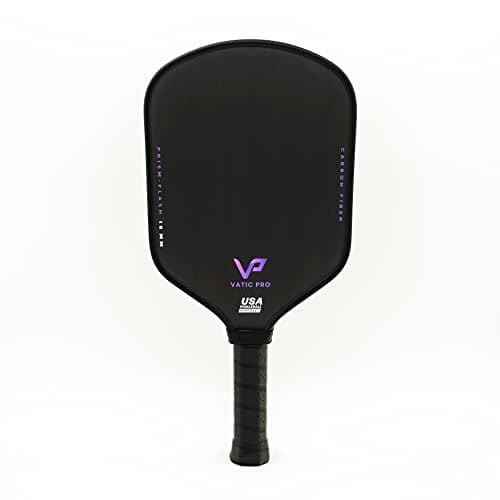
| 01 | Vatic Pro Prism Flash 16mm Raw T700 carbon and a 16mm core — the most complete paddle near $100. | Best overall all-court | 4.7/5 | $99.99Amazon |
| 02 | 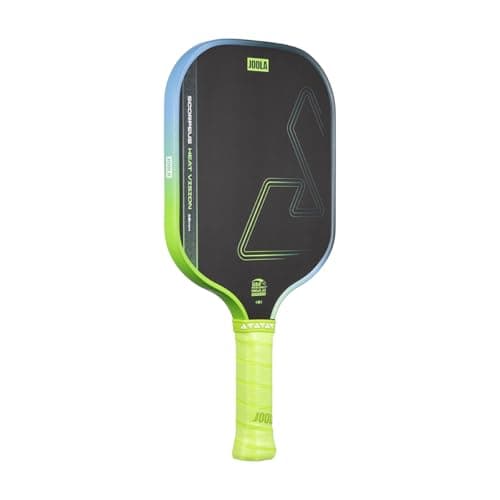 JOOLA Scorpeus Heat Vision 16mm Standard shape and SK Film damping — forgiving without going soft. | Best standard shape | 4.5/5 | $99.95Amazon |
| 03 | 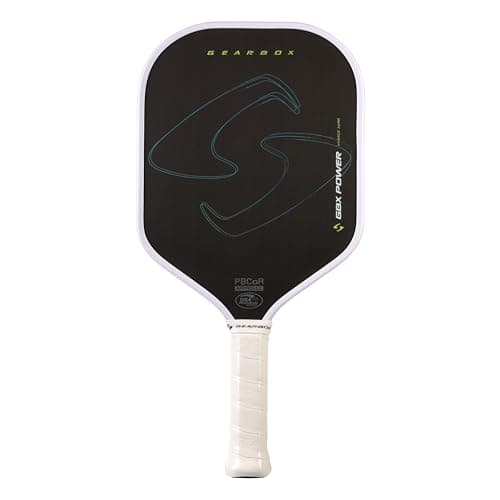 Gearbox GBX Power Hybrid A 16mm hybrid outline — the middle ground between reach and quickness. | Best balanced feel | 4.3/5 | $179.99Amazon |
| 04 | 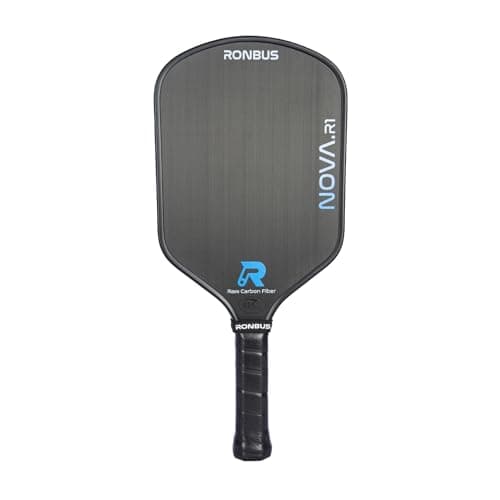 Ronbus R1.16 Nova Thermoformed construction and a real carbon face for well under the flagships. | Best budget all-court | 4.2/5 | $79.99Amazon |
| 05 | 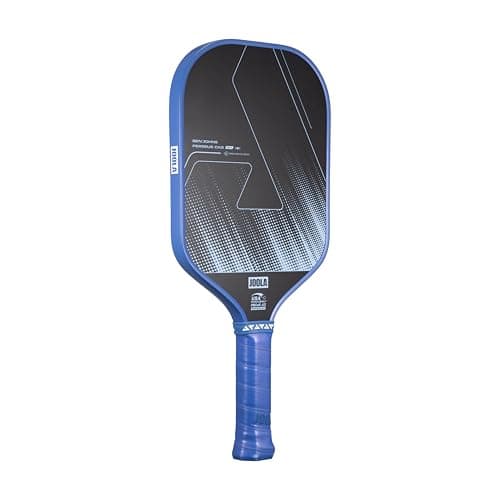 JOOLA Perseus 16mm CAS Charged Surface carbon with a genuinely even power/control split. | Best step-up | 4.5/5 | $106.95Amazon |
#ad · Live prices from Amazon as of October 20, 2026; where we have no verified live price we show none. We may earn a commission — see our affiliate disclosure.
Almost every paddle roundup on the internet sorts paddles into camps — spin paddles, control paddles, power paddles — and that is genuinely useful once you know which camp you belong to. The problem is that most rec players don't. You dink for six shots, then somebody pops one up and you need to put it away; you get jammed at the net and need a soft block; the next point you're driving from the baseline. A paddle that specializes punishes you the moment the point stops looking like the thing it specializes in.
That is the case for an all-court paddle: one built to be roughly equally good at resetting, rolling, driving and blocking, instead of brilliant at one of them. My overall pick is the Vatic Pro Prism Flash, which manages the trick better than anything else near its price. If you want a wider, more forgiving face, the JOOLA Scorpeus Heat Vision is the standard-shape answer, and the Ronbus R1.16 Nova gets you most of the way there for less.
What "all-court" actually means
"All-court" is not a marketing word for "average." It describes a specific set of build choices that keep a paddle from tilting hard in one direction:
A thicker core.A 16mm core absorbs more energy on contact than a 14mm one. You lose a little raw pop and gain dwell time — the ball sits on the face fractionally longer, which is what makes a reset land soft and a roll grab. Every paddle here is 16mm for exactly that reason. The full trade-off is in our 14mm vs 16mm guide.
A standard or hybrid shape. Elongated paddles buy reach and leverage by moving mass and length away from your hand, which costs you hand speed and sweet-spot width. A standard (widebody) or hybrid outline keeps the sweet spot centered and the paddle quick. See paddle shapes explained for how much difference this makes.
A textured carbon face.Raw or textured carbon is what generates spin, and spin is the one attribute that helps in every phase — topspin on drives, slice on resets, roll volleys at the kitchen. It is the least situational upgrade a paddle can have.
How we picked
Nobody pays for placement and I don't sell paddles. These are models I've played with or evaluated against the manufacturer's published specs, and the full process is on the how we review page.
For this list I weighted balance across phases above everything: a paddle only made it if it could reset a hard drive, roll a ball at the kitchen line and still hit a respectable put-away. After that I looked at sweet-spot forgiveness (an all-court paddle gets used off-center a lot), hand speed at the net, and price for the construction you get. Anything that clearly lived at one end of the spectrum went to the power or control roundup instead.
At a glance
Specs come from each manufacturer's published listing. Live prices sit on the buy buttons below and change constantly.
| Paddle | Face | Core | Shape | Best for |
|---|---|---|---|---|
| Vatic Pro Prism Flash | Raw T700 carbon | 16mm, foam-injected walls | Elongated | Overall |
| JOOLA Scorpeus Heat Vision | Textured carbon | 16mm | Standard | Forgiveness |
| Gearbox GBX Power Hybrid | Raw unidirectional carbon | 16mm Gen-3 honeycomb | Hybrid | Balanced feel |
| Ronbus R1.16 Nova | Raw Toray T700 carbon | 16mm, thermoformed | Elongated | Budget |
| JOOLA Perseus 16mm | Charged Surface carbon | 16mm | Aero Curve | Step-up |
Best overall all-court: Vatic Pro Prism Flash 16mm
The Prism Flash has been the value benchmark for a couple of years now, and the reason it keeps winning these lists is that it doesn't have a weak phase. The raw T700 carbon face supplies genuine spin, the 16mm core keeps resets landing short, and the foam-injected perimeter walls widen the usable face so mishits still go where you aimed. It drives well enough that you never feel disarmed from the baseline.
| Surface | Raw T700 carbon fiber |
|---|---|
| Core | 16mm with foam-injected walls |
| Shape | Elongated |
| Included | Paddle cover |
| Best for | Players who want one paddle for every phase |
What I like: the spin-to-control ratio is close to ideal, and the foam walls make it far more forgiving than most elongated paddles. What gives me pause: it is still elongated, so if you play a lot of fast hands battles you may want the wider Scorpeus instead. Our full Vatic Pro Prism Flash review goes deeper.
Best standard shape: JOOLA Scorpeus Heat Vision 16mm
If the phrase "all-court" means "I want to be forgiven for mishits," the Scorpeus Heat Vision is the pick. It uses a standard shaperather than an elongated one, which puts the sweet spot where amateur contact actually happens, and JOOLA's SK Film layer sits between the face and core to cut vibration. The textured carbon fiber surface still generates the spin you need to roll a ball. It is USAP approved for sanctioned play.
| Surface | Textured carbon fiber |
|---|---|
| Core | 16mm |
| Shape | Standard |
| Damping | SK Film (reduced vibration) |
| Certification | USAP approved |
What I like: it is quick in the hands and quietly comfortable — the damping is noticeable if you're coming off a stiff thermoformed paddle. What gives me pause: a standard shape gives up reach, so if you like stretching for the low ball at the kitchen line, the elongated Prism Flash suits you better.
Best balanced feel: Gearbox GBX Power Hybrid
Gearbox sells the GBX Power in three outlines, and the Hybridis the one that belongs on this page — Gearbox describes it as a paddle that "combines power, control, and maneuverability" for all-court players. The shape does the work: a hybrid outline gives you a wider sweet spot and quicker hands at the net than an elongated paddle, so dinks, resets and hands battles stay manageable, while the 16mm Gen-3 suspended honeycomb core and raw unidirectional carbon face keep drives and roll volleys available. It is the one on this list that most reliably feels the same on every shot.
| Surface | Raw unidirectional carbon fiber |
|---|---|
| Core | 16mm Gen-3 suspended honeycomb |
| Shape | Hybrid, 16.2 x 7.8 in |
| Handle / weight | 5.5 in handle, 8.0 oz average |
| Best for | Players who want consistency over peaks |
What I like: predictable is underrated — there is no shot where this paddle surprises you badly, and Gearbox publishes the full numbers instead of leaving you to guess. What gives me pause: it is the most expensive paddle on this list by a clear margin, and a 3.0–3.5 player will get most of the same benefit from the Prism Flash for a lot less. If you specifically want the wider outline, the best widebody paddles roundup covers that end.
Best budget all-court: Ronbus R1.16 Nova
The Nova is the cheapest paddle here that still uses modern construction rather than imitating it. It is thermoformed as a unibody with a foam perimeter, wears a raw Toray T700 carbon face, and runs a 16mm polypropylene honeycomb core with an edge grid for stability. For a player stepping off a starter-set paddle, this is a very large jump for a small amount of money.
| Surface | Raw Toray T700 carbon fiber |
|---|---|
| Core | 16mm polypropylene honeycomb, thermoformed |
| Shape | Elongated with edge grid |
| Certification | USA Pickleball approved |
| Best for | First real paddle on a budget |
What I like: you are not paying a brand tax for the construction. What gives me pause: thermoformed elongated paddles run a touch head-heavy, and Ronbus is direct-to-consumer, so stock can be patchy. Full detail in our Ronbus R1.16 Nova review, and more options at this price in best paddles under $100.
Best step-up: JOOLA Perseus 16mm CAS
The Perseus is the paddle I point at when someone has outgrown their first carbon paddle but isn't ready to spend flagship money. JOOLA's Charged Surface (CAS) carbon face has real grit, the Aero Curve outline keeps the swing from feeling sluggish, and the 16mm corekeeps it honest in the soft game. It is the closest thing here to "a flagship that doesn't specialize."
| Surface | Charged Surface (CAS) carbon fiber |
|---|---|
| Core | 16mm |
| Design | Aero Curve |
| Grip | Feel-Tec Pure |
| Certification | USAP approved |
What I like: it is the most complete paddle on this list on pure performance. What gives me pause: it costs more than the Prism Flashwithout being decisively better for a 3.0–3.5 player. Read the JOOLA Perseus review before you spend up, or see the whole line in best JOOLA paddles.
How to choose an all-court paddle
Start with shape, not brand.Shape decides more about how a paddle feels than the logo does. If your losses come from getting handcuffed at the net, buy standard. If they come from not reaching balls, buy elongated. If you genuinely don't know, buy hybrid — that is what it exists for.
Stay at 16mm. A 14mm core is a power-first choice. It makes drives easier and resets harder, and resets are the shot most rec players lose points on. Unless you are consciously buying power, the thicker core is the all-court answer.
Don't chase weight before you chase fit.A paddle that is right on paper but wrong in your hand will never feel all-court. Get the grip size right first — our grip size guidewalks through measuring — then worry about the ounce. Our paddle weight guide covers the rest.
Know when you have outgrown it. All-court is the right default until your game develops a clear identity. Once you can name your best shot, buy for it: the spin, control and power roundups exist for that moment, and best paddles for advanced players covers the top of the range.
The bottom line
For most players the Vatic Pro Prism Flashis the paddle to buy: modern construction, no weak phase, and a price that doesn't hurt when your game changes. Want a wider, quicker, more forgiving face? The JOOLA Scorpeus Heat Vision. Want predictable above all? The Gearbox GBX Power Hybrid. Spending as little as possible? The Ronbus R1.16 Nova. Ready to spend up? The JOOLA Perseus 16mm. Still narrowing it down? Start with how to choose a pickleball paddle or browse the whole paddles hub. And if almost all your pickleball is doubles rather than singles, our best pickleball paddles for doubles page re-ranks these same qualities around hand speed at the kitchen line.
Frequently asked questions
What is an all-court pickleball paddle?
An all-court paddle is built to perform acceptably in every phase of the point rather than excelling in one. In practice that usually means a 16mm core for dwell time and soft resets, a standard or hybrid shape so the sweet spot stays centered and the paddle stays quick in the hands, and a textured carbon face for spin. It gives up a little peak power and a little peak touch in exchange for having no weak spot.
Is an all-court paddle good for beginners?
Yes — it is arguably the best category for a new player, because you cannot specialize a paddle for a style you haven't developed yet. A balanced 16mm paddle lets you find out whether you're a driver or a dinker without the equipment pushing you one way. If you're buying your first serious paddle, our best paddles for beginners roundup narrows the field further on price and forgiveness.
All-court vs control paddle — what's the difference?
A control paddle deliberately dampens the ball to make resets, dinks and blocks as easy as possible, accepting that you'll have to generate your own power. An all-court paddle keeps more pop in reserve so drives and put-aways stay available, at the cost of a slightly firmer, less absorbent soft game. If the majority of your points are decided at the kitchen line, buy control; if they're decided in transition, buy all-court.
Should an all-court paddle be 14mm or 16mm?
16mm. The thicker core absorbs more energy at contact, which lengthens dwell time and makes resets and rolls far more controllable — the shots most players lose points on. A 14mm core is a deliberate power choice: easier drives, harder soft game. Every paddle on this list is 16mm for that reason.
Does an all-court paddle mean it's a compromise?
It is a compromise, but a deliberate and usually favorable one. A specialized paddle only pays off in the phase it was built for, and rec points move through several phases. Unless you can name the shot your game is built around, the paddle that never leaves you badly out-equipped will win you more points than the one that's excellent for six shots a game.
Sources
Keep reading
Upgrading your paddle or gearing up to play?
See how we pick, then dig into the paddle roundups and buying guides — honest picks from someone who actually plays, with no inventory to move.