Paddle Roundup
The Best Pickleball Paddles for Doubles in 2026
Almost all recreational pickleball is doubles, and doubles rewards a completely different paddle from singles. Six picks chosen for the kitchen line, not the baseline.
The short answer
Quick picks
| # | Product | Best for | Score | Price |
|---|---|---|---|---|
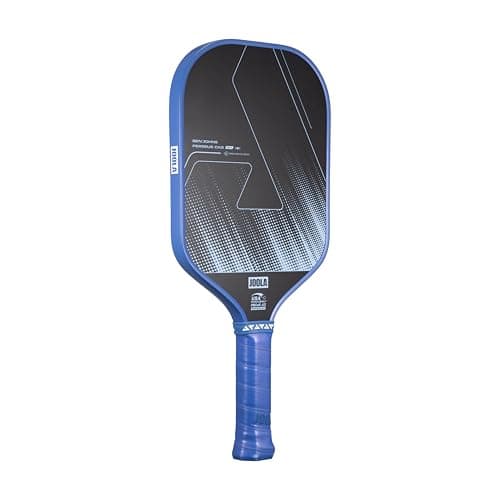
| 01 | JOOLA Perseus 16mm CAS Hybrid Aero Curve shape, 16mm core and a grippy face - the best doubles balance on the market. | Best overall for doubles | 4.7/5 | $119.95Amazon |
| 02 | 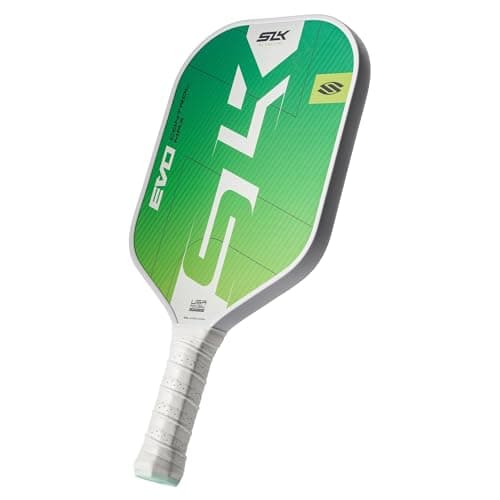 Selkirk SLK Evo Control Widebody carbon control paddle under $100 - the easiest paddle here to block and counter with. | Best for hands battles | 4.5/5 | $75.00Amazon |
| 03 | 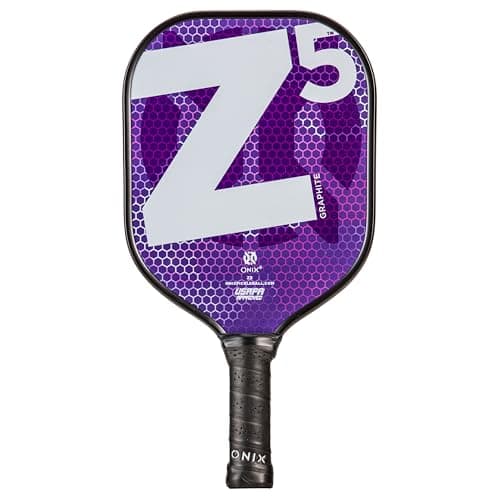 Onix Graphite Z5 The most forgiving face in the roundup, with a cushioned comfort grip, for open-play doubles. | Best for recreational doubles | 4.3/5 | $69.95Amazon |
| 04 | 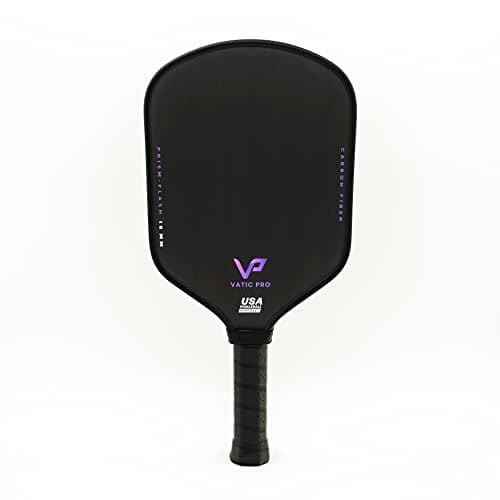 Vatic Pro Prism Flash 16mm Raw T700 carbon and foam-injected walls at around $100 - spin for the third, control for the reset. | Best value all-round | 4.6/5 | $99.99Amazon |
| 05 | 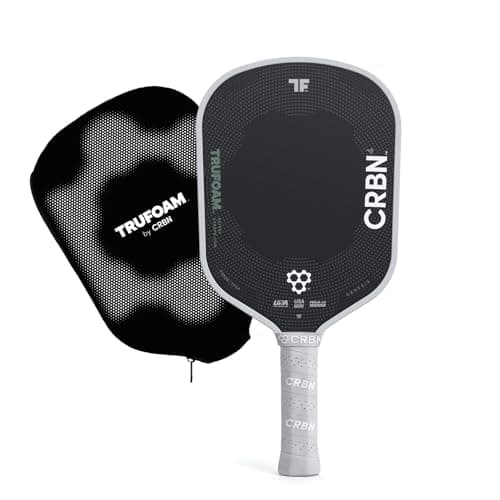 CRBN TruFoam Genesis A full foam core in a hybrid AeroCurve shape - a very large sweet spot with modern power. | Best premium doubles paddle | 4.7/5 | $229.99Amazon |
| 06 | 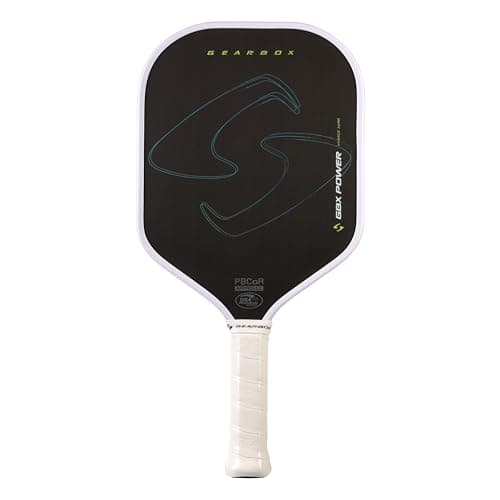 Gearbox GBX Power Hybrid Gen-3 suspended core, 5.5 in handle - power for the player whose job is the drive. | Best for the driving partner | 4.4/5 | $179.99Amazon |
#ad · Live prices from Amazon as of October 5, 2026; where we have no verified live price we show none. We may earn a commission — see our affiliate disclosure.
The short answer
The best pickleball paddle for doubles is the JOOLA Perseus 16mm CAS. The hybrid Aero Curve shape keeps the sweet spot where your hands actually meet the ball in a fast kitchen exchange, the 16mm core gives you the dwell to reset a hard drive instead of popping it up, and the charged carbon face still puts enough spin on a third-shot drop to keep it falling. It is the best balance of the three things doubles asks for, and it sits comfortably under $150.
On a tighter budget, the Selkirk SLK Evo Control is the easiest paddle here to block and counter with; for casual open play the Onix Graphite Z5 has the most forgiving face on the page; and if you are the partner whose job is driving the ball, the Gearbox GBX Power Hybrid is the one to look at.
What doubles asks of a paddle
Our other paddle pages sort by playstyle, skill level and budget. This one sorts by format, because doubles and singles genuinely want opposite things from a paddle and almost nobody says so.
Hand speed beats reach.Singles is a running game, so reach and raw power win. Doubles is decided at the kitchen line in exchanges that happen faster than you can plan, and in those the paddle you can move quickest wins. That pushes you toward a lower swing weight and a shorter, wider head — the opposite of the elongated shapes that dominate our elongated roundup.
Resets matter more than drives.The single most valuable shot in doubles is taking pace off a hard ball and dropping it into the kitchen. That needs dwell time, which needs a thicker core — 16mm rather than 14mm, as our 14mm vs 16mm guide explains. Thin, poppy cores reset badly.
Forgiveness is a real performance feature. In a hands battle you do not get to choose where on the face you contact the ball. A paddle whose response barely changes between the center and the edge keeps the ball in play; a paddle with a small, hot sweet spot does not. Shape is the main lever here, and paddle shapes explained covers the geometry.
How we picked
Every paddle on this page had to be currently listed on Amazon with a live price, carry current USA Pickleball approval, and sit in a widebody or hybrid shape unless there was a specific reason not to. Then we chose on the three doubles criteria above rather than on raw output: a paddle that drives 5% harder but resets noticeably worse is a worse doubles paddle, and it is ranked that way here. Our full method, including what we do not claim to test, is on how we review.
At a glance
| Paddle | Shape | Core | Doubles strength | Best for |
|---|---|---|---|---|
| JOOLA Perseus 16mm CAS | Hybrid / Aero Curve | 16mm polypropylene | Balance of reset, spin and hand speed | Best overall |
| Selkirk SLK Evo Control | Widebody (Max) | Control-tuned polymer | Blocks and counters | Hands battles |
| Onix Graphite Z5 | Widebody | Nomex honeycomb | Largest forgiving face | Rec doubles |
| Vatic Pro Prism Flash 16mm | Elongated | 16mm, foam-injected walls | Spin on the third shot | Value |
| CRBN TruFoam Genesis | Hybrid AeroCurve | 100% foam | Big sweet spot with power | Premium |
| Gearbox GBX Power Hybrid | Hybrid, 16.2 x 7.8 in | 16mm Gen-3 suspended | Drives, with a 5.5 in handle | The driving partner |
Best overall for doubles: JOOLA Perseus 16mm CAS
Who it is for: the doubles player who wants one paddle that handles the kitchen, the third shot and the occasional put-away.
The Perseus 16mm CAS is the paddle I would hand almost any 3.5-plus doubles player without asking another question. JOOLA's Aero Curve hybrid shape is shorter and wider than the elongated flagships, which lowers swing weight and keeps the sweet spot near the middle of the face where fast exchanges happen. The 16mm core compresses enough to absorb a hard drive, and the Charged Surface carbon has the grip to make a third-shot drop dip rather than float.
| Surface | Charged Surface (CAS) carbon fiber |
|---|---|
| Core | 16mm polypropylene honeycomb |
| Shape | Hybrid / Aero Curve |
| Grip | Feel-Tec Pure |
| Certification | USA Pickleball approved |
What I like: nothing about it is a compromise for doubles specifically — it blocks, resets, drops and drives at a high level, and the Feel-Tec grip stays usable when your hands sweat. What gives me pause: it is not the most powerful paddle at this price, so a player who wins points by banging will feel held back; and it is a step up in price from the SLK Evo for a difference most 3.0 players will not use. It is also the step-up pick on best all-court paddles and the all-court control pick on best carbon fiber paddles.
Best for hands battles: Selkirk SLK Evo Control
Who it is for: the kitchen-line player who gets beaten in fast exchanges rather than from the baseline.
The SLK Evo Control in the Max (widebody) shape is the most block-friendly paddle on this page. A control-tuned polymer core takes pace off the ball, the carbon face is predictable rather than lively, and the wide head means a reflex volley you did not have time to aim still comes off somewhere near the sweet spot. It is also the cheapest carbon control paddle worth owning, which is why it appears on several of our lists.
| Surface | Carbon fiber |
|---|---|
| Core | Control-tuned polymer |
| Shape | Widebody (Max); XL elongated also sold |
| Line | Selkirk SLK (sub-$100 tier) |
| Best for | Blocks, counters and reflex volleys |
What I like: in a hands battle it simply makes fewer mistakes than a hotter paddle, and the Selkirk warranty behind a sub-$100 paddle is unusual. What gives me pause: put-away power is the weakest here, so you win by placement or not at all; and the Max and XL shapes are different paddles sold under one name, so check which one the listing is showing you. Full detail in the SLK Evo Control review, and it is the budget pick on best paddles for control.
Best for recreational doubles: Onix Graphite Z5
Who it is for: the open-play doubles player who wants the ball to go back over the net without drama.
The Z5 has been in production long enough to be a genuine classic, and the reason is its widebody face and Nomex core: it is the most forgiving paddle in this roundup by a clear margin. For recreational doubles — where rallies end on errors far more often than on winners — forgiveness is worth more than any other property, and the cushioned comfort grip at about 4 1/4 in suits most hands without an overgrip.
| Surface | Graphite (textured) |
|---|---|
| Core | Nomex honeycomb |
| Shape | Widebody (large sweet spot) |
| Grip | Cushioned comfort grip, about 4 1/4 in |
| Certification | USA Pickleball approved |
What I like: the biggest usable face here, a comfortable grip out of the box, and a price that makes it an easy second paddle to keep in the bag. What gives me pause: a Nomex core is loud and firm compared with modern polypropylene, it gives up real spin to the carbon paddles above, and it will not grow with you past about 3.5. It is the classic all-court pick on best paddles for beginners and has its own Graphite Z5 review.
Best value all-round: Vatic Pro Prism Flash 16mm
Who it is for: the improving doubles player who wants modern construction for around $100.
The Prism Flash is the most-recommended paddle on this site, and it earns that in doubles too: raw T700 carbon over a 16mm core with foam-injected walls, for about a third of what a flagship costs. It is the one elongated paddle here, which costs it a little hand speed, but the extra reach pays for itself on the third shot and on anything you have to stretch for at the kitchen.
| Surface | Raw T700 carbon fiber (textured) |
|---|---|
| Core | 16mm with foam-injected walls |
| Shape | Elongated |
| Extras | Includes paddle cover |
| Certification | USA Pickleball approved |
What I like: the amount of modern paddle you get for the money is still the best deal in pickleball, and the textured face is the real thing rather than a marketing claim. What gives me pause: elongated shapes punish off-center contact, which is exactly what a hands battle produces, so this is the pick for a player with reliable contact rather than a developing one. There is a full Prism Flash review, and it leads best all-court paddles.
Best premium doubles paddle: CRBN TruFoam Genesis
Who it is for: the 4.0-plus doubles player who wants a large sweet spot without giving up modern power.
The TruFoam Genesis replaces the honeycomb core entirely with foam, and the practical consequence is the thing doubles players care about most: the face behaves consistently a long way from the middle. Combine that with the hybrid AeroCurve outline and you get a premium paddle that is unusually hard to mis-hit, which is not how premium paddles usually go.
| Surface | Carbon fiber |
|---|---|
| Core | 100% foam core |
| Shape | Hybrid AeroCurve |
| Tier | Premium |
| Best for | Modern power with a big sweet spot |
What I like: the forgiveness-to-power ratio is the best on this page, and the hybrid shape keeps swing weight sane for kitchen exchanges. What gives me pause: it is more than twice the price of the Perseus 16mm for a difference most players will not convert into points, and full-foam cores are new enough that long-term durability data is thin. It is the overall pick on best paddles for advanced players and has a full TruFoam Genesis review.
Best for the driving partner: Gearbox GBX Power Hybrid
Who it is for: the half of the team whose job is to hit the hard third and the speed-up.
Not every doubles player should buy a control paddle. If your partner holds the kitchen and your job is to apply pressure, you want the drive, and the GBX Power Hybrid gives you that without the error rate of a thin-core paddle: a Gen-3 suspended 16mm core, raw unidirectional carbon, a hybrid 16.2 x 7.8 in head and a 5.5 in handle for a two-handed backhand, at around 8.0 oz.
| Surface | Raw unidirectional carbon fiber |
|---|---|
| Core | 16mm Gen-3 suspended honeycomb |
| Shape | Hybrid, 16.2 x 7.8 in |
| Handle / weight | 5.5 in handle, 8.0 oz average |
| Best for | Driving, with consistency instead of peaks |
What I like: it is the only paddle here that adds real drive power without making resets worse, and the long handle is a genuine advantage for two-handed players. What gives me pause: it is assessed on published specifications and construction rather than lab testing, and the longer handle shortens the face, which trims forgiveness relative to the Z5 or the TruFoam. It also appears on best Gearbox paddles and best paddles under $200.
The paddles to avoid for doubles
Two categories, and both of them are paddles that reviews describe glowingly.
Thin-core power paddles.A 12.7mm or 13mm core is stiff and launches the ball fast, which is wonderful on a drive and awful on a reset — and in doubles you reset far more often than you drive. If you have ever found that your blocks fly past the baseline, the paddle is a bigger part of that than your technique.
Long elongated paddles with heavy heads. Reach is worth less in doubles than in singles, and a head-heavy elongated paddle is slow to turn in a hands battle. The Prism Flash above is as elongated as I would go for a doubles-first player.
If you are coming from tennis, both warnings cut against your instincts — the paddle that feels most like a racquet is usually the wrong doubles paddle. Our paddles for tennis players page covers that tension directly.
The bottom line
Buy the JOOLA Perseus 16mm CAS if you want the best all-round doubles paddle. Losing hands battles? The Selkirk SLK Evo Control. Playing casual open play? The Onix Graphite Z5. Want the most modern paddle for about $100? The Vatic Pro Prism Flash 16mm. Playing at 4.0-plus with the budget for it? The CRBN TruFoam Genesis. And if you are the one who drives, the Gearbox GBX Power Hybrid.
Frequently asked questions
What is the best pickleball paddle for doubles?
The JOOLA Perseus 16mm CAS, on this list. Its hybrid Aero Curve shape keeps swing weight low for fast kitchen exchanges, the 16mm core gives enough dwell to reset hard drives rather than pop them up, and the charged carbon face still generates spin on a third-shot drop. Those are the three things doubles asks for, and no other paddle at this price balances them as well.
Should a doubles paddle be lighter or heavier?
Lighter, within reason. Doubles is decided in fast exchanges at the kitchen line, and the paddle you can move quickest wins those. What matters more than static weight is swing weight - how the mass is distributed. A shorter, wider head feels faster than an elongated one of identical weight. Our paddle weight guide explains how to judge the difference without a scale.
Is a 16mm paddle better for doubles than 14mm?
Usually yes. A 16mm core compresses more on contact, which gives you longer dwell time and makes resets, blocks and drops far more controllable - and doubles is mostly those shots. A 14mm core is stiffer and gives more pop, which suits a drive-heavy singles game. Five of the six picks on this page are 16mm or a foam equivalent for exactly that reason.
Do I need a different paddle for doubles and singles?
Not necessarily, but the ideal paddles genuinely differ. Singles rewards reach and power, which points to an elongated, powerful paddle; doubles rewards hand speed, resets and a forgiving face, which points to a widebody or hybrid with a thicker core. If you play both and only want one paddle, a hybrid shape with a 16mm core - like the top pick here - is the sensible compromise.
Does paddle shape matter more than core thickness for doubles?
They do different jobs, and you need both right. Shape controls how fast the paddle turns and how large the usable face is, which decides hands battles. Core thickness controls dwell time, which decides whether your resets stay down. A thin-core widebody is fast but pops resets up; a thick-core elongated resets well but is slow in a reflex exchange. A thick-core hybrid or widebody gets both.
Sources
Keep reading
Upgrading your paddle or gearing up to play?
See how we pick, then dig into the paddle roundups and buying guides — honest picks from someone who actually plays, with no inventory to move.