Paddle Roundup
The Best Lightweight Pickleball Paddles in 2026
A lighter paddle moves faster, hurts less and loses hands battles less often. It also hits softer, and the number on the box is only half the story. These are the six best light paddles - and the spec you should actually be shopping on.
The short answer
Quick picks
| # | Product | Best for | Score | Price |
|---|---|---|---|---|
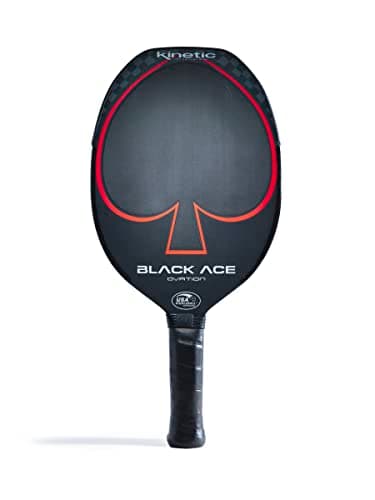
| 01 | ProKennex Black Ace Ovation About 7.94 oz with tungsten-bead damping in the head and handle - light and genuinely quiet. | Best lightweight overall | 4.6/5 | $104.99Amazon |
| 02 | 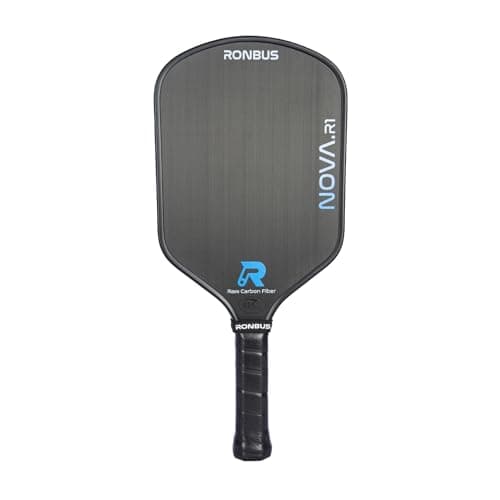 Ronbus R1.16 Nova About 7.8 oz on a thermoformed raw T700 carbon chassis - light without feeling cheap. | Best light paddle with modern construction | 4.5/5 | $79.99Amazon |
| 03 | 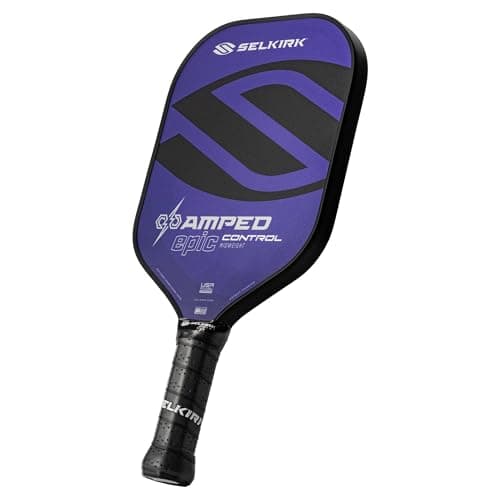 Selkirk Amped Control (Epic Lightweight) Selkirk's reduced-weight build of its classic Epic head, tuned to absorb pace. | Best lightweight control paddle | 4.5/5 | $99.99Amazon |
| 04 | 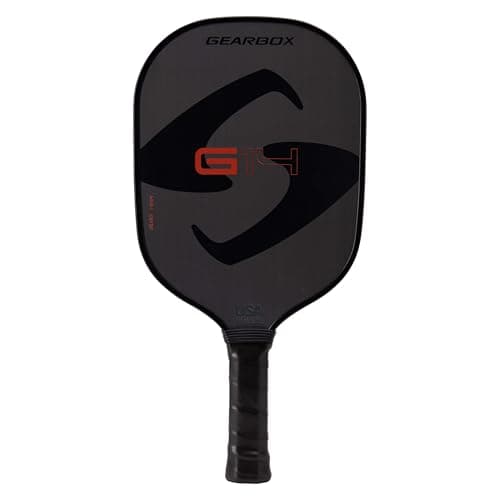 Gearbox G14 Quad 7.6 to 8.0 oz on a wide, long head - raw carbon forgiveness at a light weight. | Biggest sweet spot under 8 oz | 4.1/5 | $84.99Amazon |
| 05 | 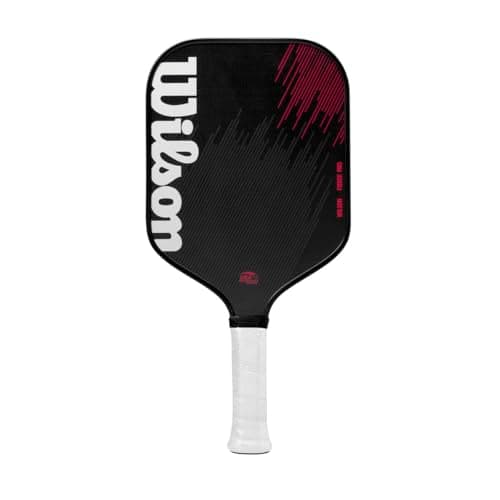 Wilson Fierce Pro 13mm About 7.8 oz and a 13mm core - the light paddle that still launches the ball. | Best light paddle for pop | 4.0/5 | $57.00Amazon |
| 06 | 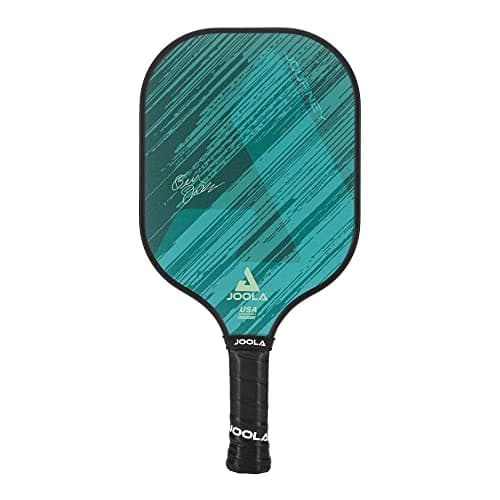 JOOLA Journey About 7.8 oz on a 4-inch grip, for the smallest outlay on this page. | Lightest and smallest grip | 4.0/5 | $39.14Amazon |
#ad · Live prices from Amazon as of October 10, 2026; where we have no verified live price we show none. We may earn a commission — see our affiliate disclosure.
The short answer
The best lightweight pickleball paddle is the ProKennex Black Ace Ovation, at about 7.94 oz with tungsten-bead kinetic damping built into the head and the handle. It is for the player who wants a genuinely light, genuinely quiet paddle and is willing to pay for engineering rather than just a thinner core. If you want the same weight with modern thermoformed construction and a raw carbon face for less, the Ronbus R1.16 Nova is about 7.8 oz and the better value.
There is no official definition of "lightweight" in pickleball. In practice the market runs from about 7.3 oz to about 8.5 oz, so anything at or under roughly 8.0 oz is the light half. Every paddle on this page has a published weight in that range.
Static weight is the wrong number
The number printed on the box is static weight— what the paddle reads on a kitchen scale. It is the number everyone shops on, and it is the less useful of the two numbers that matter.
Swing weight is how heavy the paddle feels while you are swinging it, which depends on where the mass sits rather than how much of it there is. An elongated 8.0 oz paddle with mass out at the tip can feel heavier in a hands battle than an 8.3 oz widebody with its mass near the throat. This is why two paddles with identical box weights can feel completely different, and why the cheapest meaningful upgrade to a paddle you already own is often moving a few grams of tape rather than buying a lighter model. Our swing weight guide covers the whole picture, and adding lead tape is how you change it.
What a lighter paddle actually buys you is three things. Hand speed— the ability to get the paddle to a ball in a fast kitchen exchange, which is where most doubles points are decided. Less load on the arm— less mass accelerating and decelerating means less work for the shoulder, elbow and wrist over a two-hour session. Maneuverability— easier to reposition the face late, which makes resets and reflex volleys more achievable.
Who should buy a light paddle
Doubles players who lose hands battles. If you find yourself a split second late on speed-ups at the kitchen line, hand speed is worth more to you than power.
Anyone whose arm, shoulder or wrist aches after playing.Lower mass means lower load, which is one of the three levers that actually help — the other two being grip circumference and core thickness. See paddles for tennis elbow and paddles for arthritis for the full treatment.
Smaller and older players. Not because of any marketing category, but because a lighter paddle is easier to control at lower swing speeds. Our paddles for seniors and paddles for women pages overlap with this one deliberately.
Players with fast, long swings should not. If you came from tennis and swing hard, a light paddle will feel unstable and vague on contact. Buy something heavier and read paddles for tennis players instead.
How we picked
Every paddle had to have a published static weight at or under about 8.0 oz from the manufacturer or the retailer listing — no paddle is on this page because it "feels" light. Every paddle had to be in stock on Amazon with a live price at the time of writing. And the six had to span the real decisions: carbon or fiberglass, control or pop, $40 or $100-plus. Where a manufacturer publishes a weight range rather than a figure, the range is printed as published. Our full method is on how we review.
At a glance
| Paddle | Weight (published) | Face | Core | Best for |
|---|---|---|---|---|
| ProKennex Black Ace Ovation | 7.94 oz average | Toray 700 carbon fiber | 11mm polypropylene honeycomb | Best overall |
| Ronbus R1.16 Nova | About 7.8 oz +/- 0.2 oz | Raw Toray T700 carbon | 16mm thermoformed | Modern construction |
| Selkirk Amped Control (Epic Lightweight) | Selkirk's lightweight build | Carbon hybrid | Control-tuned polymer | Control |
| Gearbox G14 Quad | 7.6 - 8.0 oz | 8-ply raw T-700 carbon | 14mm polypropylene | Forgiveness |
| Wilson Fierce Pro 13mm | About 7.8 oz | Textured carbon (max grit) | 13mm polypropylene | Pop |
| JOOLA Journey | About 7.8 oz | Fiberglass composite | About 10mm polymer | Lightest, cheapest |
Best lightweight overall: ProKennex Black Ace Ovation
Who it is for: the player who wants low weight and low vibration at the same time, and who has had arm trouble before.
ProKennex approaches weight differently from everyone else here. Instead of simply using less material, it builds kinetic tungsten-bead dampinginto both the head and the handle — loose mass that moves on impact and converts vibration into motion rather than sending it up your forearm. The result is about 7.94 oz average on a 16.1 x 7.75-inch outline, with a Toray 700 carbon face over an 11mm polypropylene core and a 4-inch Comfort Pro grip.
| Surface | Toray 700 carbon fiber |
|---|---|
| Core | 11mm polypropylene honeycomb |
| Dimensions | 16.1 in long x 7.75 in wide |
| Weight | 7.94 oz average |
| Arm comfort | Kinetic tungsten-bead damping in head and handle |
| Grip | 4 in (small) Comfort Pro |
What I like: it solves the problem light paddles usually create. Low mass normally means more vibration reaching your hand, and the kinetic system is a real mechanical answer to that rather than a foam insert. It is also the arm-comfort pick on our best carbon fiber paddles roundup.
What gives me pause: the 11mm core is thin, which means less dwell time and harder resets than the 16mm picks below — you are buying comfort and speed, not touch. The 4-inch grip is small for most adult hands and will want building up. And ProKennex is a niche brand in pickleball with narrower retail availability than Selkirk or JOOLA, so colorways and stock come and go.
Best light paddle with modern construction: Ronbus R1.16 Nova
Who it is for: the player who wants a light paddle that still feels like a current, serious paddle.
Most light paddles get light by being thin and cheap. The R1.16 gets there while keeping a 16mm thermoformed core and a raw Toray T700 carbon face, at about 7.8 oz plus or minus 0.2 oz. That combination — genuinely light, genuinely modern — is unusual, and it is why this paddle appears on more of our roundups than any other.
| Surface | Raw Toray T700 carbon fiber |
|---|---|
| Core | 16mm polypropylene honeycomb, thermoformed |
| Shape | Elongated with edge grid, 16.5 in x 7.5 in |
| Handle | 5.5 in; 4.125 in octagonal grip |
| Weight | About 7.8 oz, plus or minus 0.2 oz |
| Certification | USA Pickleball approved |
What I like: you give up almost nothing to get the weight. A raw carbon face still bites, the 16mm core still resets, and the 5.5-inch handle still takes two hands. It is also the value pick on best 16mm paddles and best paddles under $100.
What gives me pause: the published tolerance is plus or minus 0.2 oz, which is wide enough that your unit may land at 8.0 oz rather than 7.6 — weigh it when it arrives if the number matters to you. Thermoformed paddles with foam walls also carry the delamination caveat that applies across that construction, and Ronbus is a direct-to-consumer brand with a smaller support footprint than the majors.
Best lightweight control paddle: Selkirk Amped Control (Epic Lightweight)
Who it is for: the soft-game player who wants fast hands and a paddle that absorbs incoming pace.
Selkirk sells its Amped Control in more than one weight build, and the Epic Lightweightis the reduced-weight version of the classic Epic head. A carbon hybrid face over a control-tuned polymer core, built light on purpose rather than built thin to save material — which means it keeps the dwell time that makes resets and dinks work.
| Surface | Carbon hybrid face |
|---|---|
| Core | Control-tuned polymer |
| Shape | Epic (Selkirk's classic head) |
| Build | Lightweight |
| Certification | USA Pickleball approved |
What I like: it is the paddle on this page I would hand to someone who plays mostly at the kitchen line and keeps getting beaten in hands battles. Selkirk's warranty support is also the best in the sport, which matters more than it should when you are spending near $100. It is a core pick on best Selkirk paddles and best paddles for women.
What gives me pause: Selkirk publishes a build name rather than a figure, so there is no exact ounce weight to quote— if you need a number before buying, this is the one pick here that cannot give you one. The Epic head is also Selkirk's older standard outline, with a short handle and no two-handed backhand room, and a carbon hybrid face spins less than the raw carbon picks above.
Biggest sweet spot under 8 oz: Gearbox G14 Quad
Who it is for: the player who wants a light paddle without the twist that light paddles usually bring on off-center contact.
The G14 pairs 7.6 to 8.0 ozwith a 15.875 x 7.875-inch outline and an 11.125-inch head length — wide and long at the same time, which gives it the largest effective face of anything on this page. The face is 8-ply raw Toray T-700 carbon over a 14mm polypropylene honeycomb core.
| Surface | 8-ply Toray T-700 / mid-modulus carbon, raw textured |
|---|---|
| Core | 14mm polypropylene honeycomb |
| Dimensions | 15.875 x 7.875 in; 11.125 in head length |
| Handle | 4.75 in; 4 in grip |
| Weight | 7.6 - 8.0 oz |
| Certification | Not stated on Gearbox's spec sheet - verify before sanctioned play |
What I like: a big face is the cheapest cure for the stability a light paddle gives up, and raw carbon at this price is rare. It is also the value pick on best 14mm paddles.
What gives me pause: Gearbox does not state USA Pickleball approval for the G14 on its own spec sheet, so verify it before any sanctioned event — see how to check approval. The 4.75-inch handle is the shortest here and rules out two hands, and the 4-inch grip is small.
Best light paddle for pop: Wilson Fierce Pro 13mm
Who it is for: the player who wants hand speed and still wants the ball to come off the face fast.
A light paddle usually means less power. The Fierce Pro gets some of it back with a 13mm polypropylene honeycomb core— thin enough to return energy rather than absorb it — under a textured max-grit carbon face, at about 7.8 oz in a standard shape. It is also from Wilson, which means wide retail availability and a real warranty.
| Surface | Textured carbon fiber (max grit) |
|---|---|
| Core | 13mm polypropylene honeycomb |
| Shape | Standard |
| Weight | About 7.8 oz |
| Certification | USA Pickleball approved |
What I like: light plus thin plus a grippy face is the combination for a quick-hands player who still wants to speed the ball up. It is the power pick on our best paddles under $75 roundup.
What gives me pause: a 13mm core at a light weight is the least forgiving pairing on this page — it transmits more vibration and makes resets harder than anything else here. If arm comfort is why you are shopping light, buy the ProKennex instead.
Lightest and smallest grip: JOOLA Journey
Who it is for: smaller hands, and the smallest budget on this page.
The Journey is built small rather than marketed small: about 7.8 oz on a 4-inch grip circumference with a 5-inch handle, a fiberglass composite face and a thin polymer honeycomb core of about 10mm, in a widebody outline. It is the cheapest paddle here by a wide margin and the easiest to swing all day.
| Surface | Fiberglass composite |
|---|---|
| Core | Thin polymer honeycomb (about 10mm) |
| Shape | Widebody |
| Weight | About 7.8 oz |
| Grip | About 4 in (thin) |
| Certification | USA Pickleball approved |
What I like: a small grip and a low weight at once, which is exactly the combination a smaller-handed player cannot easily build. It is the lightest pick on best paddles under $50 and on best paddles for seniors.
What gives me pause: the 10mm core is the thinnest here, so it transmits the most vibration of any paddle on this page — a real caveat if you are shopping light because your arm hurts. The fiberglass face also spins least. This is a comfort and maneuverability paddle, and it is priced accordingly.
The bottom line
Buy the ProKennex Black Ace Ovationif you want the full lightweight package — low mass and low vibration, engineered rather than achieved by using less material. Buy the Ronbus R1.16 Nova if you want the same weight with a modern thermoformed chassis and a raw carbon face for less money; it is the value answer on this page.
Control players should look at the Selkirk Amped Control, mis-hitters at the Gearbox G14 Quad, and anyone who wants pop at the Wilson Fierce Pro. The JOOLA Journey is the cheapest way to a light paddle with a small grip.
One last thing worth knowing: you can make a heavier paddle you already love swing lighter in the hand by moving weight toward the handle, and you can make a light paddle more stable by adding a couple of grams at the sides. Read the swing weight guidebefore you replace a paddle you otherwise like — it is a cheaper fix than a new paddle.
Frequently asked questions
What is the best lightweight pickleball paddle?
The ProKennex Black Ace Ovation, at about 7.94 oz average. It is the only light paddle we carry that builds kinetic tungsten-bead damping into both the head and the handle, which addresses the extra vibration a low-mass paddle normally transmits. If you want the same weight with a 16mm thermoformed core and a raw carbon face for less money, the Ronbus R1.16 Nova is about 7.8 oz and the better value.
What counts as a lightweight pickleball paddle?
There is no official standard. In practice the market runs from about 7.3 oz to about 8.5 oz, so anything at or under roughly 8.0 oz is the light half and anything at 8.3 oz or above is firmly in the heavy half. Published weights are usually ranges rather than exact figures, and tolerances of plus or minus 0.2 oz are normal, so your unit may not match the number on the listing exactly.
Is a lighter pickleball paddle better for beginners?
Often yes, but not always. A lighter paddle is easier to control at slower swing speeds and causes less arm fatigue while you are building up playing time. The catch is that it twists more on off-center contact, which beginners produce a lot of - so a light paddle with a wide face, like the Gearbox G14 Quad, is a better beginner choice than a light paddle with a narrow one.
Do lightweight paddles have less power?
Yes, all else equal - less mass behind the ball means less energy transferred, so drives and put-aways need more from your own swing. You can partly offset it with a thinner core, which is what the Wilson Fierce Pro does, or by adding a few grams of lead tape at the top of the paddle. If your drives already land short, a lighter paddle is the wrong direction.
Is swing weight more important than paddle weight?
For how the paddle feels in play, yes. Static weight is what the paddle reads on a scale; swing weight is how heavy it feels in motion, and that depends on where the mass sits. An elongated paddle with mass out at the tip feels much heavier in a hands battle than a widebody of the same static weight with mass near the throat. Shop on both, and prefer swing weight when the two disagree.
Will a lighter paddle help my tennis elbow?
It is one of three levers that genuinely help, alongside a thicker core and a correctly sized grip. Lower mass means less load on the forearm through every acceleration and deceleration. But a light paddle with a very thin core can transmit more vibration than a heavier paddle with a thick one, so weight alone is not the answer - our best paddles for tennis elbow page handles the full picture.
Sources
Keep reading
Upgrading your paddle or gearing up to play?
See how we pick, then dig into the paddle roundups and buying guides — honest picks from someone who actually plays, with no inventory to move.