Paddle Roundup
The Best Pickleball Paddles Under $50 in 2026
Fifty dollars now buys a textured carbon face, a thermoformed core and tournament approval - specs that cost three times as much two years ago. These are the five best, with live prices, and an honest list of what you still give up.
The short answer
Quick picks
| # | Product | Best for | Score | Price |
|---|---|---|---|---|
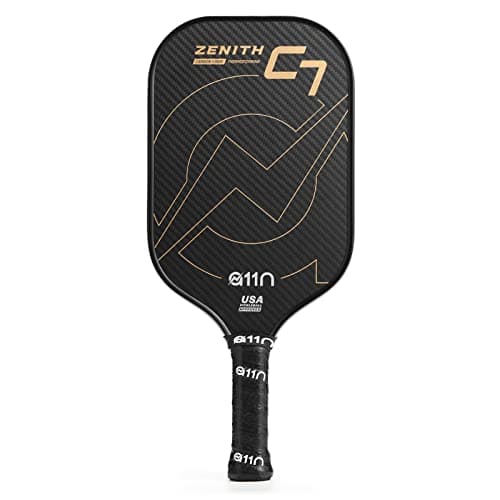
| 01 | A11N Zenith C7 16mm A thermoformed T700 carbon face with foam-injected walls - a modern spec sheet at an entry price. | Best under $50 overall | 4.2/5 | $49.99Amazon |
| 02 | 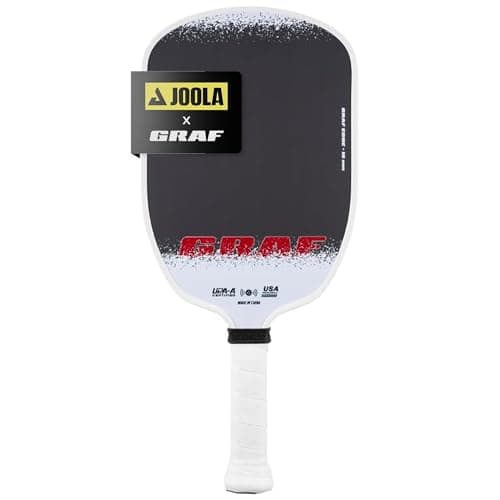 JOOLA GRAF Edge 16mm Carbon fiber and UPA-A certification from JOOLA, which is rare at this price. | Best brand-name carbon | 4.1/5 | $49.95Amazon |
| 03 | 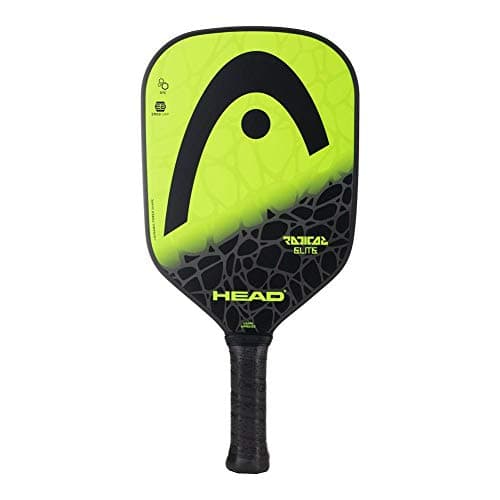 HEAD Radical Elite A wide, forgiving fiberglass face and a cushioned 4 1/4 in grip from a 75-year-old racquet brand. | Best for brand-new players | 4.0/5 | $44.95Amazon |
| 04 | 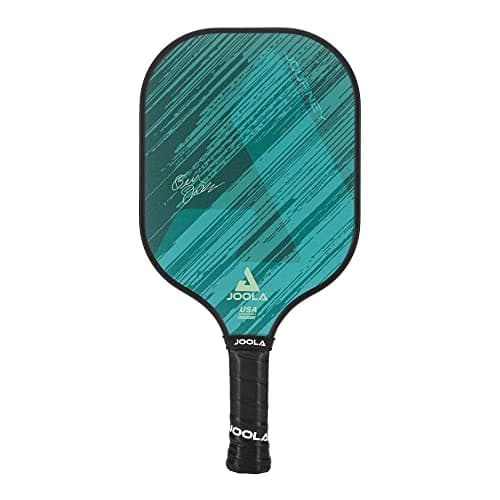 JOOLA Journey About 7.8 oz on a 4-inch grip - genuinely built small rather than just marketed small. | Lightest and smallest grip | 4.0/5 | $39.14Amazon |
| 05 | 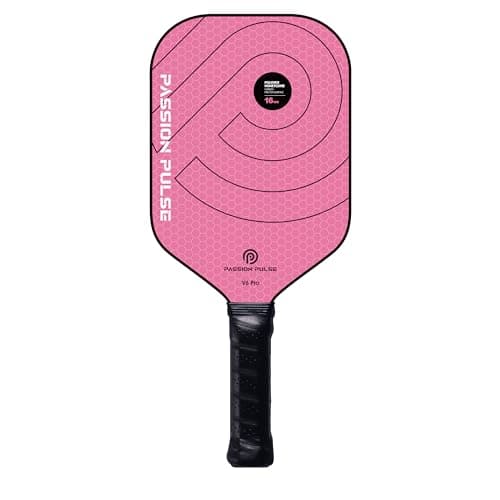 Passion Pulse V6 Pro A T700 carbon face on a standard shape for about the price of a sleeve of balls and a grip. | Cheapest real carbon face | 3.9/5 | $39.99Amazon |
#ad · Live prices from Amazon as of October 10, 2026; where we have no verified live price we show none. We may earn a commission — see our affiliate disclosure.
The short answer
The best pickleball paddle under $50 is the A11N Zenith C7 16mm, and it is not close on specification. It is the only paddle in this price band that gives you a textured T700 carbon face, a 16mm core with foam-injected perimeter walls, thermoformed construction and USA Pickleball approval all at once. It is for the player who wants a genuinely modern paddle and refuses to spend more than fifty dollars finding out whether they like pickleball.
If you would rather buy a name you recognise, the JOOLA GRAF Edge is carbon-faced and UPA-A certified. If you have never held a paddle before, the HEAD Radical Elite is the most forgiving thing here. Those three cover almost every under-$50 buyer.
What $50 actually buys in 2026
This is the price band that has changed the most. Two years ago, fifty dollars bought a fiberglass face glued to a thin polymer core with a plastic edge guard around it — a paddle that worked, and felt like a toy next to anything expensive. Three things changed.
Carbon fiber got cheap.Toray T700 is a commodity now, so a textured carbon face — the single spec that decides whether a paddle can grip the ball and shape it — appears at prices it had no business appearing at. Our carbon vs fiberglass guide explains why that face matters more than anything else on the spec sheet.
Thermoforming trickled down.Pressing and curing the shell as one unit with foam-filled perimeter walls used to be a flagship process. It is now available in this band, and it is the reason a $45 paddle can feel firm and connected rather than hollow — see thermoformed vs cold-pressed.
Certification stopped being a premium feature. Several paddles at this price now carry USA Pickleball approval or UPA-A certification, so you are not forced to rebuy the first time you enter a sanctioned event.
What you still give up
Three things, consistently, and no amount of spec-sheet matching changes them.
Quality control. A flagship paddle is built to a tight weight and balance tolerance, so two units feel the same. In this band, unit-to-unit variation is real: two copies of the same paddle can differ by a few tenths of an ounce and noticeably in balance. If the first one feels odd, that may be the unit rather than the model.
Support and warranty. Selkirk and JOOLA will talk to you if a paddle fails in a month. Marketplace brands mostly will not, and a paddle bought at this price has effectively no resale value.
Face longevity.Textured faces at this price are usually sprayed or peel-coated rather than genuinely raw, and the texture polishes smooth faster. You will lose spin over a season — our paddle care guide slows that down but cannot stop it. If you play four times a week, budget for replacing a paddle in this band annually and read how long paddles last first.
How we picked
Every paddle had to be a single paddle, not a set— two-paddle bundles at this price are a different purchase and live on our best beginner sets page. Every paddle had to be in stock on Amazon with a live price under $50at the time of writing. And the five had to span the real choices in this band: carbon or fiberglass, light or standard, certified or not. Where a paddle's certification or weight is not published, we say so rather than assume. Our full method is on how we review.
At a glance
| Paddle | Face | Core | Shape | Certification |
|---|---|---|---|---|
| A11N Zenith C7 16mm | T700 carbon, textured | 16mm polymer, foam-injected walls | Elongated | USA Pickleball approved |
| JOOLA GRAF Edge 16mm | Carbon fiber | 16mm | Agassi | UPA-A certified |
| HEAD Radical Elite | Fiberglass (smooth) | Polymer honeycomb | Dynamic Power Shape (wide) | USA Pickleball approved |
| JOOLA Journey | Fiberglass composite | About 10mm polymer honeycomb | Widebody | USA Pickleball approved |
| Passion Pulse V6 Pro | T700 carbon fiber | Polymer honeycomb | Standard | Not published on the listing |
Best under $50 overall: A11N Zenith C7 16mm
Who it is for: the player who wants a modern paddle and a fifty-dollar ceiling, and who is willing to swing something on the heavy side.
The Zenith C7 has the spec sheet of a paddle costing three times as much: a textured T700 carbon fiber face, a 16mm polymer honeycomb core with foam-injected walls, thermoformed construction, an elongated outline and USA Pickleball approval. Nothing else in this band offers all four of those, and the combination is why it is also the overall pick on our best paddles under $75 roundup.
| Surface | T700 carbon fiber (textured, thermoformed) |
|---|---|
| Core | 16mm polymer honeycomb, foam-injected walls |
| Shape | Elongated |
| Weight | About 8.0-8.4 oz |
| Certification | USA Pickleball approved |
What I like: it is a legitimate way to find out whether you like the modern thermoformed 16mm feel before committing real money, and a carbon face means it can actually bite the ball. See best 16mm paddles for what it is competing with further up the range.
What gives me pause: at 8.0 to 8.4 oz it is heavy, and on an elongated outline that is a lot of swing weight for a player with slower hands — our swing weight guide explains what that costs you in a kitchen exchange. A11N is also a budget brand without the quality-control record of the big names, and thermoformed paddles with foam walls are the construction most associated with delamination, with less of a track record here than on the established brands.
Best brand-name carbon: JOOLA GRAF Edge 16mm
Who it is for: the club player who wants spin, a brand with a warranty department, and certification for league play.
The GRAF Edge is JOOLA's answer to wanting carbon fiber and a real brand without spending $100. A carbon fiber face on a 16mm core in the Agassi shape, carrying UPA-A certification— which is genuinely unusual at this price, and means it is cleared for the tour-sanctioned events that now use the UPA-A list rather than the older approvals.
| Surface | Carbon fiber |
|---|---|
| Core | 16mm |
| Shape | Agassi (power and precision) |
| Certification | UPA-A certified |
| Best for | Budget buyers who want brand-name carbon |
What I like: certification plus a carbon face plus an actual support line behind it is the combination that makes this the safest buy on the page. JOOLA also runs a real price ladder upward, so if you like it, the upgrade path is obvious — see best JOOLA paddles.
What gives me pause: entry-tier construction means a smaller effective sweet spot than the A11N's thermoformed build, and the carbon face here is not the raw, high-grit kind JOOLA puts on its CAS paddles — it will spin less and smooth out sooner. This is the cheap end of a good brand, not a cheap flagship.
Best for brand-new players: HEAD Radical Elite
Who it is for: someone who has never played, or who is buying a paddle for a relative who has never played.
The Radical Elite is deliberately unambitious and that is the point. A smooth fiberglass face over a polymer honeycomb corein HEAD's wide Dynamic Power Shape, with a cushioned 4 1/4-inch comfort grip and USA Pickleball approval. Fiberglass is livelier and more forgiving than carbon, the wide shape gives you the largest target in this band, and HEAD has been making racquets since 1950.
| Surface | Fiberglass (smooth) |
|---|---|
| Core | Polymer honeycomb |
| Shape | Standard (Dynamic Power Shape) |
| Grip | Comfort grip, about 4 1/4 in |
| Certification | USA Pickleball approved |
What I like: it is the paddle least likely to put a new player off. The cushioned grip is also the kindest here on a sore hand, which is why it appears on our paddles for arthritis and paddles for seniors lists.
What gives me pause: a smooth fiberglass face generates the least spin of anything on this page, and you will outgrow it the moment you start trying to roll the ball. Treat it as a six-month paddle with a clear upgrade waiting.
Lightest and smallest grip: JOOLA Journey
Who it is for: smaller hands, slower hands, and anyone whose shoulder or wrist complains after a long session.
The Journey is the one paddle here built genuinely small rather than marketed that way. About 7.8 oz on a 4-inch grip circumference, with a fiberglass composite face over a thin polymer honeycomb core (about 10mm) in a widebody outline. It is the fastest paddle on this page through the air and the easiest to hold.
| Surface | Fiberglass composite |
|---|---|
| Core | Thin polymer honeycomb (about 10mm) |
| Shape | Widebody |
| Weight | About 7.8 oz |
| Grip | About 4 in (thin) |
| Certification | USA Pickleball approved |
What I like: low weight and a small grip are the two specs you cannot fix with an accessory in the lighter direction — you can always build a grip up, never down. It is the lightest pick on both best paddles for women and best lightweight paddles.
What gives me pause: a 10mm core is thin even by thin-core standards, and thin cores transmit more vibration into the hand while making resets harder. The fiberglass face spins less than any carbon pick here. This is a comfort and maneuverability paddle, not a performance one.
Cheapest real carbon face: Passion Pulse V6 Pro
Who it is for: the player who wants to find out what a carbon face does, for the smallest possible amount of money.
The Pulse V6 Pro is a T700 carbon fiber faceon a polymer honeycomb core in a standard shape, and it is usually the cheapest genuine carbon paddle we can find in stock. If the question is "is carbon worth it?" this is the least expensive way to get an answer.
| Surface | T700 carbon fiber |
|---|---|
| Core | Polymer honeycomb |
| Shape | Standard |
| Certification | Not published on the listing |
| Best for | A first carbon paddle on a tight budget |
What I like: a real carbon face at this price means more bite on the ball than any fiberglass paddle here, and the standard shape is forgiving. It is the budget-carbon pick on our best paddles for women list.
What gives me pause: the listing does not publish a USA Pickleball or UPA-A approval, so do not assume it is legal for a sanctioned event— check the current approved list first, as our approval guide explains. Passion is also a marketplace brand with no track record and no meaningful support, and the core thickness is not published either. It is a cheap experiment, and priced like one.
The bottom line
Buy the A11N Zenith C7 if you want the best paddle under $50 and can handle its weight. Buy the JOOLA GRAF Edge if certification and a brand with a warranty matter more to you than the last few percent of construction. Buy the HEAD Radical Elite for someone brand new, the JOOLA Journey if light and small is the priority, and the Passion Pulse V6 Pro if you just want to feel what carbon does.
One honest caveat: the jump from $50 to about $75 buys more than the jump from $35 to $50 does, because that is where thermoformed construction and raw carbon faces become the norm rather than the exception. If your budget can stretch, read best paddles under $75before you decide. And if you need shoes as well as a paddle, buy the shoes first — they prevent injuries, and paddles do not.
Frequently asked questions
What is the best pickleball paddle under $50?
The A11N Zenith C7 16mm. It is the only paddle in this price band that combines a textured T700 carbon fiber face, a 16mm polymer core with foam-injected walls, thermoformed construction and USA Pickleball approval. The trade-off is weight - at 8.0 to 8.4 oz on an elongated outline it is the heaviest-swinging paddle here. If you want a brand with real support instead, the JOOLA GRAF Edge is carbon-faced and UPA-A certified.
Are cheap pickleball paddles worth buying?
Under about $50, yes, with clear eyes about what you get. Carbon faces and thermoformed cores have trickled down far enough that a $45 paddle today plays like a $120 paddle from two years ago. What you still give up is quality control, warranty support and face longevity - the texture polishes smooth sooner, so expect to replace a paddle in this band every year if you play several times a week.
Can you get a USA Pickleball approved paddle for under $50?
Yes. The A11N Zenith C7, HEAD Radical Elite and JOOLA Journey all carry USA Pickleball approval, and the JOOLA GRAF Edge carries UPA-A certification used by tour-sanctioned events. Approval is not universal at this price, though - the Passion Pulse V6 Pro does not publish one - so check the current approved list for the exact model before entering a sanctioned event.
Should I buy a $50 paddle or a two-paddle set?
A set if you need two paddles and a ball to start playing with a partner, a single paddle if you already play and are upgrading. A $50 single paddle is a far better paddle than either half of a $50 set, because the set has to pay for two paddles, balls and often a bag out of the same money. Our best beginner sets page covers the set side of that choice.
Is a carbon fiber paddle better than fiberglass at this price?
For spin, yes - a textured carbon face grips the ball and lets you shape it in a way fiberglass cannot. For forgiveness, fiberglass is actually kinder: it is livelier and softer, so mis-hits cost less and drops land softer. If you are brand new and just want the ball to go back, fiberglass is a legitimate choice. If you are learning to roll the ball, buy carbon.
How long will a paddle under $50 last?
Expect about a year of regular play before the face texture is visibly polished and you are losing spin, and longer if you play once a week. The core softens gradually too. Physical failures - edge guard separation, a cracked face - can happen at any time and are more likely on budget construction, which is why warranty support is one of the things you are giving up at this price.
Sources
Keep reading
Upgrading your paddle or gearing up to play?
See how we pick, then dig into the paddle roundups and buying guides — honest picks from someone who actually plays, with no inventory to move.