Paddle Roundup
The Best 14mm Pickleball Paddles in 2026
A 14mm core is the thinner of the two standard thicknesses, and it buys you pop, a faster launch and quicker hands. These are the six best thin-core paddles we carry - and a straight answer on who should buy 16mm instead.
The short answer
Quick picks
| # | Product | Best for | Score | Price |
|---|---|---|---|---|
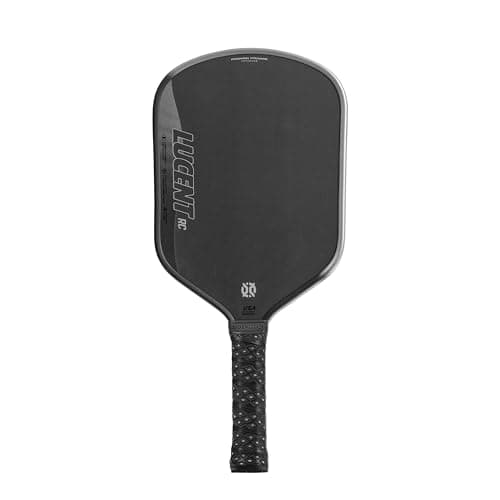
| 01 | Onix Lucent RC A raw carbon face on a genuine 14mm Hexcell core, with a handle long enough for two hands. | Best 14mm overall | 4.5/5 | $101.99Amazon |
| 02 | 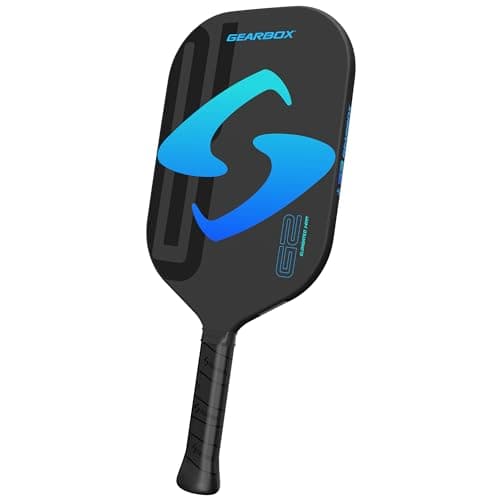 Gearbox G2 Elongated 14mm A single-piece molded frame in an 11-inch head length - the thin-core paddle for tennis converts. | Best 14mm for reach and drives | 4.4/5 | $119.99Amazon |
| 03 | 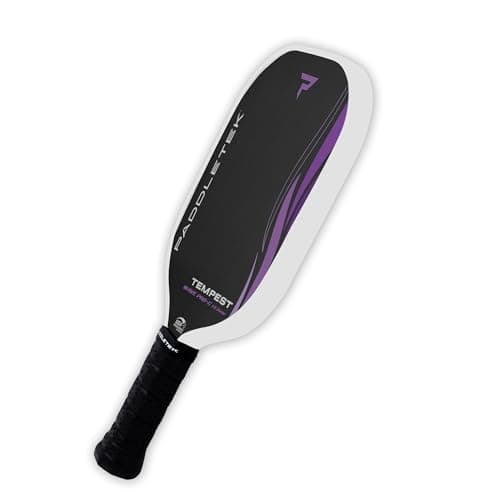 Paddletek Tempest Wave PRO-C Proof a thin core can still be a touch paddle - PT-700 carbon with torsional weighting. | Best thin core for control players | 4.5/5 | $149.99Amazon |
| 04 | 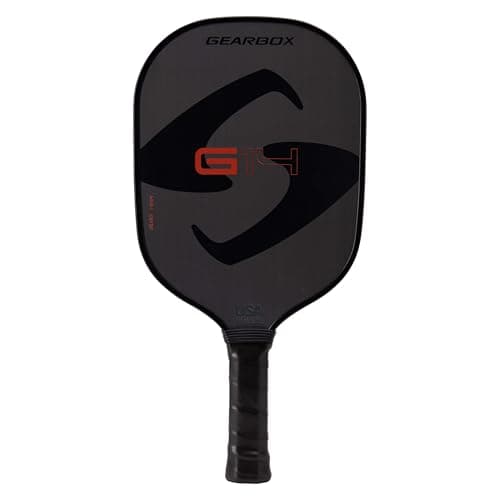 Gearbox G14 Quad Raw 8-ply T-700 carbon and the biggest face here, for the least money of any carbon pick. | Best value 14mm | 4.1/5 | $84.99Amazon |
| 05 | 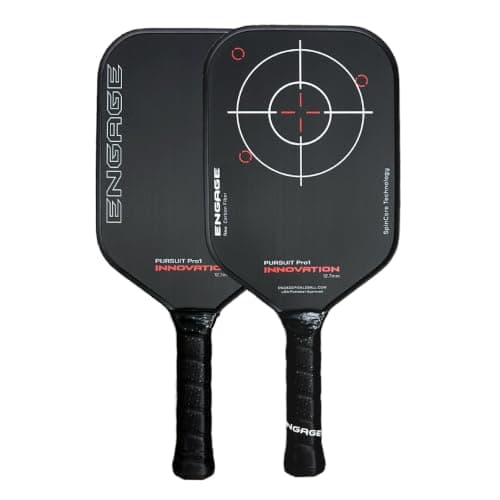 Engage Pursuit Pro1 A 12.7mm core and a high-grit raw face - the fastest launch on this page, and the least forgiving. | Most pop (thinner than 14mm) | 4.4/5 | $129.99Amazon |
| 06 | 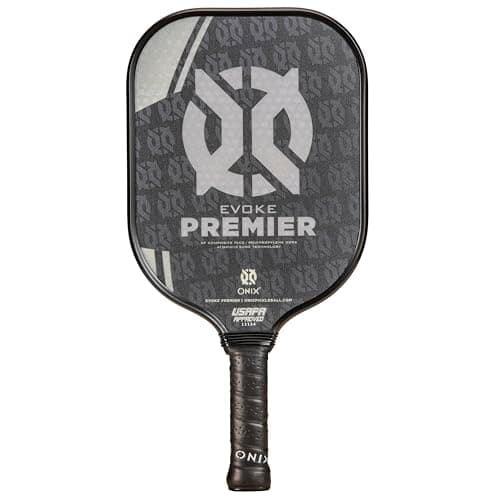 Onix Evoke Premier A 16 x 8 in fiberglass face on a 14mm core - soft, springy and the least expensive here. | Cheapest 14mm | 4.0/5 | $64.93Amazon |
#ad · Live prices from Amazon as of October 10, 2026; where we have no verified live price we show none. We may earn a commission — see our affiliate disclosure.
What a 14mm core actually does
If you only read one line of this page: the Onix Lucent RC is the 14mm paddle most players should buy, because it is the only paddle in its price bracket that pairs a genuine thin core with a raw carbon face and a handle long enough for a two-handed backhand. Everything below explains why, and who should buy something else.
Core thickness is the spec that changes how a paddle plays more than the logo on the face does. Almost every serious paddle made today uses a core of either about 14mm or about 16mm. The thinner core has less material between the face and the ball, so the structure compresses less and returns more of the ball's energy instead of absorbing it.
In practice that gives you three things. Pop: drives, serves and put-aways come off faster for the same swing, which is free power you do not have to generate. A faster launch: the ball leaves the face sooner, so the paddle feels livelier and more connected rather than muted. Hand speed: less material usually means a slightly lighter, quicker paddle through a fast kitchen exchange.
The cost is dwell time. A thin core holds the ball for a shorter moment, which means less time to shape the shot, less grip for spin, and noticeably harder resets — a hard drive coming at you wants to rebound off the face rather than die on it. Our 14mm vs 16mm guide works through the full trade-off, and the companion best 16mm paddles roundup is the other half of this decision.
Who should buy 16mm instead
Three groups are better served by a thicker core, and it is worth saying so before you spend.
Players who live at the kitchen line.If most of your points are decided in dinks, blocks and resets — which describes most recreational doubles — the extra dwell time of a 16mm core is worth more than the pop you would gain here. Start with best paddles for doubles instead.
Players who miss the middle of the face. A thinner core has a smaller effective sweet spot and tells you about off-center contact. If you are still learning where the middle is, read best paddles for beginners.
Anyone managing arm pain. Energy the paddle does not absorb travels up your forearm. A thin core is the wrong direction for a sore elbow; our best paddles for tennis elbow page explains what to buy instead.
Everyone else — singles players, drive-first doubles players, tennis converts, and anyone whose third shots keep landing short because they cannot generate pace — is genuinely better off at 14mm. Free power is not cheating.
How we picked
Three rules. Every paddle had to be a genuine thin coreper the manufacturer's own published spec — 14mm, 14.3mm or thinner, labelled honestly in each entry so you know exactly what you are buying. Every paddle had to be in stock on Amazon with a live priceat the time of writing; the buttons below carry the current number and the date it was captured. And the six had to cover the real decisions a thin-core buyer faces — carbon or fiberglass, standard or elongated, control-tuned or launch-tuned — rather than six variations on the same power paddle.
Specs come from manufacturer and retailer listings. We have not measured core thickness ourselves, and where a listing is vague about it the paddle was left off rather than guessed at. Our full method is on how we review.
At a glance
| Paddle | Core | Face | Shape | Best for |
|---|---|---|---|---|
| Onix Lucent RC | 14mm Hexcell polypropylene | Dual Action raw carbon | Elongated, 16.5 x 7.5 in | Best overall |
| Gearbox G2 Elongated | 14mm PPE, single-piece frame | Molded carbon and glass fiber | Elongated, 16.5 x 7.375 in | Reach and drives |
| Paddletek Tempest Wave PRO-C | 14.3mm polymer honeycomb | PT-700 unidirectional carbon | Standard | Control |
| Gearbox G14 Quad | 14mm polypropylene honeycomb | 8-ply raw T-700 carbon | 15.875 x 7.875 in | Value |
| Engage Pursuit Pro1 | 12.7mm (thinner than 14mm) | Raw carbon, high grit | Elongated | Maximum pop |
| Onix Evoke Premier | 14mm polypropylene | DF Composite fiberglass | Impact, 16 x 8 in | Cheapest, softest |
Best 14mm overall: Onix Lucent RC
Who it is for: almost anyone buying a thin-core paddle for the first time, and anyone who wants pop without giving up spin.
The RC is the only paddle in the Onix range with a raw carbon fiber face, and that is the spec that decides whether a paddle can bite the ball hard enough to shape it. Onix pairs it with a 14mm Hexcell polypropylene core in an elongated 16.5 x 7.5-inch outline and a long 5.7-inch handle. That is the layout most current paddles have converged on, and it is a coherent thin-core package: a face that grips, a core that launches, and room for a second hand on the handle.
| Face | Dual Action raw carbon fiber |
|---|---|
| Core | Hexcell polypropylene, 14mm |
| Shape | Elongated, 16.5 in long x 7.5 in wide |
| Handle | 5.7 in, 4.125 in grip circumference |
| Weight | 7.75-8.25 oz |
| USA Pickleball | Approved |
What I like: it is the least compromised paddle here. Raw carbon plus a thin core is the combination that gets you spin and pop at the same time, which is exactly what a 14mm buyer is usually after. It is also the overall pick on our best Onix paddles roundup.
What gives me pause: elongated plus 14mm is the least forgiving pairing on this page. The sweet spot sits higher and narrower than on a widebody, and off-center balls tell you about it. Raw carbon faces also polish smooth with use and lose grit over a season or two — true of every raw carbon paddle, and covered in our paddle care guide. Onix also lists this paddle per colorway, and the same paddle in a different color can be priced ten or fifteen percent apart, so glance at the other swatches before you check out.
Best 14mm for reach and drives: Gearbox G2 Elongated 14mm
Who it is for: tennis and squash converts, and anyone who wins points by hitting through people.
Gearbox builds the G2 as a single-piece molded frame rather than a face glued to a core, which is a genuinely different manufacturing approach and the reason Gearbox paddles feel stiffer and more consistent than their price suggests. The 14mm PPE core sits inside an elongated 16.5 x 7.375-inch outline with an 11-inch head lengthand a 5.5-inch handle — the longest reach on this page.
| Surface | Molded carbon fiber and glass fiber, textured |
|---|---|
| Core | 14mm PPE core, single-piece molded frame |
| Dimensions | 16.5 x 7.375 in; 11 in head length |
| Handle | 5.5 in; 4 in grip |
| Weight | 8 oz |
| Certification | USA Pickleball approved |
What I like: the long handle and long head make a swing that came from tennis feel natural instead of cramped, and the molded frame means unit-to-unit consistency is excellent. It is also a pick on best Gearbox paddles and worth comparing against our paddles for tennis players list.
What gives me pause: 7.375 inches is the narrowest face here, and a narrow face plus a thin core is a demanding combination that punishes sloppy contact. The textured molded face is not raw carbon, so its spin ceiling is lower than the Lucent RC's. And the 4-inch grip is small for a paddle aimed at big swings — most tennis converts will want to build it up, which our grip size guide covers.
Best thin core for control players: Paddletek Tempest Wave PRO-C
Who it is for:the soft-game player who wants a thin core's quickness without giving up touch.
The Tempest line is Paddletek's control family, and the Wave PRO-C is the paddle that disproves the thin-equals-wild shorthand. A PT-700 unidirectional carbon face over a 14.3mm polymer honeycomb core in a standard shape, with torsional weighting that stabilises the face against twisting on off-center contact, and the High Tack Performance grip Paddletek fits across the range.
| Surface | PT-700 unidirectional carbon fiber |
|---|---|
| Core | 14.3mm polymer honeycomb (Tempest) |
| Shape | Standard |
| Notable | Torsional weighting; High Tack Performance grip |
| Certification | USA Pickleball approved |
What I like: the standard shape gives you back the width that the elongated picks above take away, and torsional weighting is a real engineering answer to the thin-core forgiveness problem rather than a marketing word. Paddletek also has one of the better quality-control reputations in the sport — more on the brand in best Paddletek paddles.
What gives me pause: it is the most expensive paddle on this page and the one whose advantages are hardest to feel below about 3.5, where consistency comes from technique rather than equipment. 14.3mm is also at the thick end of what belongs on a 14mm page — it plays like a thin-core control paddle, but if you want the biggest possible launch difference, buy the Pursuit Pro1 below instead.
Best value 14mm: Gearbox G14 Quad
Who it is for: the player who wants a raw carbon thin-core paddle for the smallest outlay, and who mis-hits more than they would like to admit.
The G14 is the cheapest raw-carbon paddle here, and the most forgiving. Gearbox uses an 8-ply Toray T-700 / mid-modulus carbon face, raw and textured, over a 14mm polypropylene honeycomb core, in a 15.875 x 7.875-inch outline with an 11.125-inch head length. That is a wide face and a long head at the same time, which is why the sweet spot is the biggest on this page.
| Surface | 8-ply Toray T-700 / mid-modulus carbon, raw textured |
|---|---|
| Core | 14mm polypropylene honeycomb |
| Dimensions | 15.875 x 7.875 in; 11.125 in head length |
| Handle | 4.75 in; 4 in grip |
| Weight | 7.6 - 8.0 oz |
| Certification | Not stated on Gearbox's spec sheet - verify before sanctioned play |
What I like: raw carbon at this price is unusual, and the wide-and-long outline is a sensible way to make a thin core forgiving. At 7.6 to 8.0 oz it is also the lightest carbon paddle here, which suits players who want hand speed — see best lightweight paddles if that is the priority.
What gives me pause: two real things. Gearbox does not state USA Pickleball approval for the G14 on its own spec sheet, so verify it against the current approved list before any sanctioned event — our guide to checking approval shows how. And the 4.75-inch handle is the shortest here, which rules out a two-handed backhand entirely. This is a value buy, not a long-term paddle.
Most pop: Engage Pursuit Pro1
Who it is for: the 3.5-plus player who wants the fastest launch available and will accept a smaller margin for error to get it.
The Pursuit Pro1 is on this page with an asterisk: its core is 12.7mm, thinner than 14mm, so it is the extreme end of the thin-core idea rather than a 14mm paddle. Engage pairs it with a high-grit raw carbon face in an elongated outline, and the result is the quickest, hardest launch of anything here — plus more spin than any paddle on this page except the Lucent RC.
| Surface | Raw carbon fiber (high grit) |
|---|---|
| Core | 12.7mm (thinner = more pop) |
| Shape | Elongated |
| Best for | Aggressive players who bang and spin |
What I like: it does one job better than anything else we carry. If your game is drives, roll volleys and speed-ups, this is the paddle that rewards it — which is why it is a pick on both best paddles for power and best paddles for spin.
What gives me pause: it is the least forgiving paddle on this page by a clear margin, and the one most likely to send a reset floating long. Elongated plus 12.7mm plus a stiff raw face is a specialist combination. Below 3.5 it will cost you more points than it wins, and if your elbow is sensitive, do not buy it.
Cheapest 14mm: Onix Evoke Premier
Who it is for: the player who wants a thin core but a soft, springy feel and the largest possible face, at the lowest price here.
The Evoke Premier is Onix's long-running competition paddle and the one with the most court time behind it. A DF Composite fiberglass face over a 14mm polypropylene core in a 16 x 8-inch shape Onix calls Impact, wrapped in the slim Atomic13 edge guard. Fiberglass is livelier and softer than carbon, so this is the one paddle here that pairs thin-core pop with a genuinely forgiving touch response.
| Face | DF Composite (fiberglass) |
|---|---|
| Core | Polypropylene, 14mm |
| Shape | Impact, 16 in long x 8 in wide |
| Handle | 5 in; grip 4 in (light build) or 4.125 in (standard/heavy) |
| Weight | 7.5-8.5 oz depending on build |
| USA Pickleball | Approved |
What I like: 8 inches of width is the biggest target on this page, and fiberglass gives you a softer landing on drops than any carbon face here. For a recreational player who wants more pop without the punishment, this is the sensible answer.
What gives me pause: fiberglass does not spin like raw carbon, full stop — if topspin matters, buy the Lucent RC. The 5-inch handle is too short for a real two-handed backhand. And the Premier ships in three weight builds with two grip sizes, so the listing variant matters more than usual: the light and heavy versions feel like different paddles.
Three things 14mm does not do
It does not add spin.Spin comes from the face. Raw carbon grips, sprayed texture grips less, fiberglass grips least — and a 16mm raw carbon paddle will out-spin a 14mm fiberglass one every time. Our carbon vs fiberglass guide explains why, and paddle spin ratings explained covers how the numbers are produced.
It does not make you a power player. A thin core returns more of the energy already in the ball. If your swing is slow and your contact is inconsistent, a thinner core mostly amplifies the inconsistency. Technique first, equipment second.
It does not change legality. Core thickness has nothing to do with certification, which depends on dimensions, surface roughness and the manufacturer submitting the model. Five of the six paddles here are approved; the G14 is the exception noted above. Always check the current list before a sanctioned event.
The bottom line
Buy the Onix Lucent RC if you want one answer: a raw carbon face, a genuine 14mm core, a long handle, and nothing obviously compromised. If your swing came from tennis and you want reach, the Gearbox G2 Elongated is the better chassis. If you are a control player who just wants faster hands, the Paddletek Tempest Wave PRO-C is the thin core that will not punish your soft game.
On a budget, the Gearbox G14 Quad gets you raw carbon and the biggest sweet spot here for the least money, and the Onix Evoke Premier gets you the softest, widest face of all. If you want the absolute maximum launch and accept the cost, the Engage Pursuit Pro1 at 12.7mm goes further than any 14mm paddle will. And if, reading all this, the resets and dinks sound more like your game than the drives do, go buy a 16mm paddleinstead — that is the right answer for more players than this page is.
Frequently asked questions
What is the best 14mm pickleball paddle?
The Onix Lucent RC, for most players. It is the only paddle in its bracket that pairs a genuine 14mm Hexcell polypropylene core with a raw carbon fiber face and a 5.7-inch handle, so you get the thin core's pop and faster launch without giving up the spin a raw face provides. If your swing came from tennis and you want more reach, the Gearbox G2 Elongated 14mm is the better chassis.
Is 14mm or 16mm better for pickleball?
Neither is better outright - they do different things. A 14mm core returns more of the ball's energy, so you get more pop, a faster launch and slightly quicker hands. A 16mm core absorbs more energy, so you get longer dwell time, better resets and a larger effective sweet spot. Drive-first players, singles players and tennis converts usually prefer 14mm; players who live at the kitchen line usually prefer 16mm.
Does a 14mm paddle have more power?
Yes, all else equal. A 14mm version of a given model compresses less on contact and returns more energy to the ball than the 16mm version, which shows up as extra pop on drives, serves and put-aways. But thickness is only one input - face stiffness, shape, swing weight and foam-filled perimeter walls all matter, which is why some 16mm paddles hit harder than some 14mm ones.
Is a 14mm paddle good for beginners?
Usually not as a first paddle. The thinner core has a smaller effective sweet spot and makes resets harder, and those are exactly the two things a new player struggles with. The exception is a beginner who genuinely cannot generate any pace of their own, for whom the free power is worth the smaller margin for error. Most beginners should start at 16mm.
Is 14.3mm the same as 14mm?
Close enough in practice, and manufacturers treat it that way. Paddletek's Tempest and Bantam cores are 14.3mm and are sold as thin-core paddles; the 0.3mm difference is far smaller than the differences in face material, shape and weight distribution between models. We label the exact published figure for every paddle on this page so you can judge for yourself.
Do 14mm paddles hurt your arm more?
They transmit more shock, yes. Energy the core does not absorb is energy that travels into your hand and forearm, so a thin core is the wrong direction if you are managing elbow or wrist pain. Grip circumference, total weight, balance and how hard you squeeze matter at least as much, but if your arm already hurts, start with a thicker core.
Sources
Keep reading
Upgrading your paddle or gearing up to play?
See how we pick, then dig into the paddle roundups and buying guides — honest picks from someone who actually plays, with no inventory to move.