Accessory Roundup
The Best Pickleball Gloves in 2026
Most players don't need a glove. But if your hands sweat through overgrips, blister on the handle, or feel the cold, a glove solves a problem nothing else does. Here's when to wear one and which to buy.
The short answer
Quick picks
| # | Product | Best for | Score | Price |
|---|---|---|---|---|
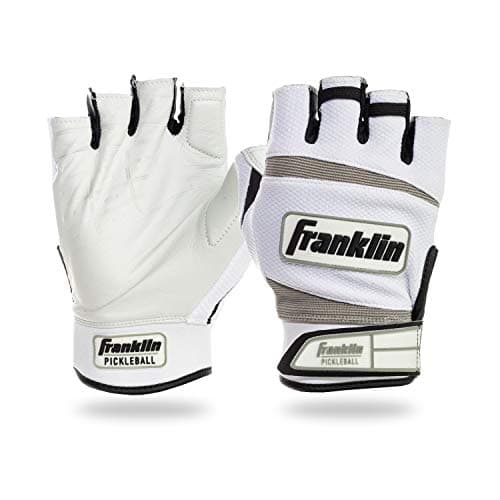
| 01 | Franklin Sports Pickleball Glove Made for the sport, sold as a single glove for your paddle hand. | Best pickleball-specific | 4.3/5 | $12.99Amazon |
| 02 | 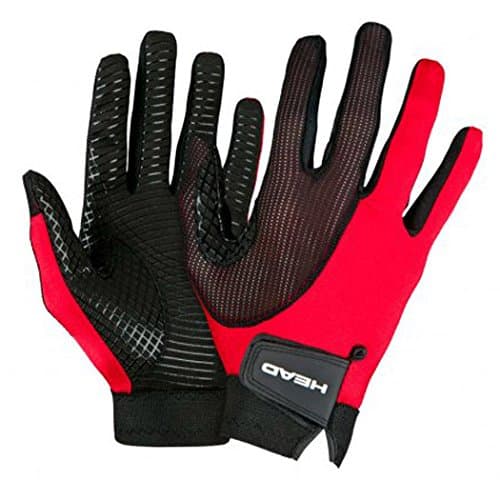 HEAD Web Leather Glove Leather palm with a breathable web back — the racquetball standard. | Best grip and durability | 4.4/5 | $14.95Amazon |
| 03 | 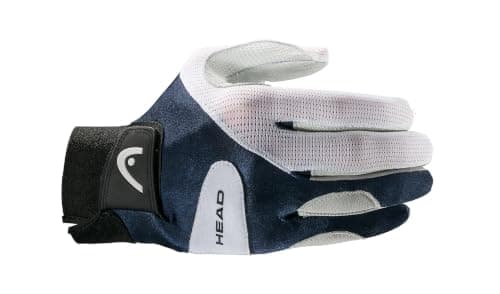 HEAD Renegade Leather Glove More mesh, less material — the hot-weather option. | Best breathability | 4.2/5 | $11.49Amazon |
| 04 | 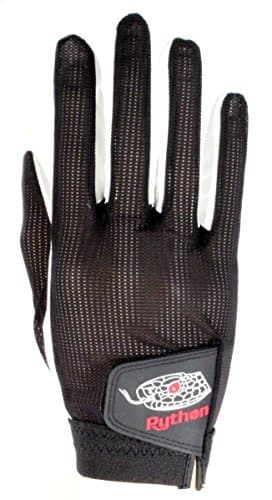 Python Vintage Synthetic Glove A durable synthetic palm at the lowest price that's still worth buying. | Best budget | 4.1/5 | $12.99Amazon |
#ad · Live prices from Amazon as of October 20, 2026; where we have no verified live price we show none. We may earn a commission — see our affiliate disclosure.
Gloves are the most divisive accessory in pickleball. Walk onto a court and you will see maybe one player in twenty wearing one — and that player will usually tell you they cannot play without it. Both positions are correct, because a glove solves a specific set of problems and does nothing at all for anyone who doesn't have them.
This page is organized around that: first, an honest answer to whether you need one, then four options worth buying if you do. My pick for most people is the HEAD Web leather glove— borrowed from racquetball, where gloves have been standard equipment for fifty years — with the Franklin pickleball glove as the sport-specific alternative.
Do you actually need a glove?
Yes, if your hands sweat heavily. This is the main use case. Some people sweat through an overgrip inside a game, and once a grip is saturated no amount of tackiness helps. A leather or synthetic palm keeps a consistent surface between your skin and the handle regardless of how wet the grip gets.
Yes, if you blister.Repeated friction on the same spot — usually the base of the index finger or the heel of the palm — is a genuine problem for players who suddenly increase how much they play. A glove is a far better answer than tape.
Yes, if you play in the cold. Cold hands lose feel and grip strength, and a thin glove restores both. Outdoor winter players are the second-largest group wearing them.
Yes, if you have hand or finger joint issues. A glove lets you hold the paddle securely with less squeeze, which matters if arthritis or tendon pain makes gripping uncomfortable.
No, otherwise. If a decent overgrip keeps your paddle secure, a glove just adds a layer between you and the handle and slightly dulls feel. Try a better overgripfirst — it is cheaper and solves the problem for most people.
What to look for
Palm material. Leather grips best and lasts longest, and it molds to your hand over a few sessions. Synthetic palms are cheaper, dry faster and are easier to wash, but wear through sooner. For most players leather is worth the small premium.
Back-of-hand ventilation.The difference between a glove you tolerate and one you forget you're wearing. Mesh or open-web backs let heat out; solid backs cook your hand.
Thinness.You want the minimum material that solves your problem. Every extra millimeter between your palm and the handle costs you feel — and feel is what the soft game runs on.
Closure.A wrist strap keeps the glove from bunching. It should be snug enough that the palm doesn't rotate, not so tight that it restricts the wrist.
Racquetball gloves are fair game. Racquetball has demanded sweat-proof grip for decades and its gloves are excellent, cheaper and more available than pickleball-branded ones. Two of the four picks here come from that world.
At a glance
Specs come from each manufacturer's published listing. Live prices are on the buttons.
| Glove | Palm | Back | Best for |
|---|---|---|---|
| Franklin Sports Pickleball Glove | Synthetic | Breathable | Pickleball-specific fit |
| HEAD Web Leather | Leather | Open web, breathable | Grip and durability |
| HEAD Renegade Leather | Leather | Extra mesh | Hot weather |
| Python Vintage Synthetic | Synthetic | Breathable | Budget |
Best pickleball-specific: Franklin Sports Pickleball Glove
Franklin makes the official ball of USA Pickleball, so it has a genuine stake in the sport, and this is a glove designed for it rather than adapted to it. It is sold as a single glovein specified hand and size, which is exactly right — you wear one, on the paddle hand.
| Type | Pickleball-specific glove |
|---|---|
| Sold as | Single glove (specify hand) |
| Palm | Synthetic |
| Brand | Franklin Sports |
| Best for | Players who want a sport-specific option |
What I like: sizing and hand options are clearly specified, and it is thin enough not to swallow paddle feel. What gives me pause: a synthetic palm won't last as long as the leather options — if you play daily, spend a couple of dollars more on the HEAD Web.
Best grip and durability: HEAD Web Leather Glove
The Web is a racquetball staple and the best all-round glove here. A leather palm gives the most reliable grip when wet and molds to your hand within a few sessions; the open web back is genuinely breathable rather than nominally so. It is available for both hands and across a normal size range.
| Type | Leather racquetball glove |
|---|---|
| Palm | Leather (extra grip) |
| Back | Open web, breathable |
| Hands | Right and left versions |
| Best for | Heavy sweaters and regular players |
What I like: leather is simply better at the one job a glove has, and this one breathes well enough for summer play. What gives me pause: leather needs to dry between sessions — leaving it balled up in a bag will kill it fast. Get it out of the bag when you get home.
Best breathability: HEAD Renegade Leather Glove
The Renegade is the same idea as the Web with more mesh and less material across the back of the hand. In hot, humid conditions that difference is noticeable — the glove stays cooler and dries faster between games. It keeps the leather palm where grip matters.
| Type | Leather racquetball glove |
|---|---|
| Palm | Leather |
| Back | Breathable mesh |
| Character | Lighter, cooler build |
| Best for | Hot and humid conditions |
What I like: it is the coolest-wearing glove on this list without giving up the leather palm. What gives me pause: more mesh means slightly less durability in the back panel over time.
Best budget: Python Vintage Synthetic Glove
Python makes racquet-sport gloves at low prices, and the Vintage is a synthetic-palmed glove sold in specified hand and size that does the job without ceremony. If you are not certain a glove is for you, this is the cheapest way to find out for real rather than in theory.
| Type | Racquet / pickleball glove |
|---|---|
| Palm | Synthetic |
| Sold as | Single glove (specify hand) |
| Brand | Python |
| Best for | Trying a glove cheaply |
What I like: low commitment, and synthetic palms wash and dry more easily than leather. What gives me pause: it will wear through sooner than leather, and the grip when soaked is not quite as good.
Getting the fit right
Snug, not tight. A glove should feel like a second skin on the palm with no loose material to bunch under your fingers. Loose gloves rotate on the handle, which is worse than no glove at all.
Check the hand."Right-hand glove" means it goes on your right hand. Getting this wrong is the single most common ordering mistake, because these are sold as singles.
Expect leather to stretch.A leather glove that feels slightly tight on day one will be right by day three. A synthetic glove will not stretch much — buy that one to fit immediately.
Remember your grip size changes.Adding a glove effectively thickens what you're holding, in the same way an overgrip does. If your paddle already felt slightly large, check grip size before you commit to playing gloved.
The bottom line
Try a better overgripfirst — it fixes the problem for most people. If it doesn't, the HEAD Web leather glove is the best all-round choice, the Renegade is the hot-weather version, the Franklin is the pickleball-specific option, and the Python Vintage is the cheap way to test the idea. More small kit that matters in the court gear hub.
Frequently asked questions
Do you need gloves for pickleball?
Most players don't. A glove earns its place if your hands sweat through overgrips, if you blister on the handle, if you play in cold weather, or if hand and finger joint issues make gripping uncomfortable. If a good overgrip keeps your paddle secure, a glove just adds a layer between you and the handle and slightly dulls feel.
Do you wear a glove on one hand or both for pickleball?
One, on your paddle hand — which is why pickleball and racquetball gloves are sold as singles with a specified hand. Some players with two-handed backhands wear two, but that's unusual. When ordering, note that 'right-hand glove' means the glove goes on your right hand.
Can I use racquetball or golf gloves for pickleball?
Racquetball gloves, absolutely — racquetball has demanded sweat-proof grip for decades, and its gloves are thin, well ventilated and often cheaper than pickleball-branded ones. Golf gloves are less ideal: they're cut for a different grip and tend to be thicker across the palm, which costs you paddle feel.
Leather or synthetic pickleball glove?
Leather grips better when wet, lasts longer and molds to your hand over a few sessions, which is why most serious glove wearers use it. Synthetic is cheaper, dries faster and washes more easily, but wears through sooner and grips slightly less well when soaked. If you play regularly, leather is worth the small premium.
Does wearing a glove change your grip size?
Effectively, yes — it thickens what you're holding, much like adding an overgrip. If your paddle handle already feels slightly large, playing gloved can push it past comfortable, and a too-large grip reduces control. Measure your grip size before committing to a glove, and consider removing an overgrip layer to compensate.
Sources
Keep reading
Upgrading your paddle or gearing up to play?
See how we pick, then dig into the paddle roundups and buying guides — honest picks from someone who actually plays, with no inventory to move.