Explainer
What to Bring to Pickleball Open Play
Open play is the best thing about pickleball and the most confusing to walk into cold. Here's what to pack, how the rotation actually works, and the etiquette nobody explains until you get it wrong.
Open play is how most people actually play pickleball: turn up at a set time, put your paddle in a queue, and play games with whoever comes up next. It is the single best thing about the sport — you need no partner, no booking and no arrangements — and it is genuinely bewildering the first time, because every venue has its own unwritten system that everyone there assumes you already know.
This is the packing list and the social manual. If you're still assembling your kit from scratch, start with pickleball gear for beginners.
The essentials
Your paddle.Obviously — but bring your own even if the venue has loaners. Loaner paddles are usually old, heavy and dead, and a bad paddle makes a first session much harder than it needs to be. Anything from our beginner paddle roundup beats a bin paddle.
Court shoes.Not running shoes. This matters more than any other item on the list, because open play means three hours of lateral movement and running shoes are how people roll ankles. Any real court shoe will do — how to choose pickleball shoes covers it, and what shoes not to wear covers why.
Water. More than you think.Open play is continuous in a way that surprises people — games are short and rotations are fast, so you play more than you rest. A large bottle, not a small one.
A ball or two.Most venues have balls, but arriving with your own is good manners and occasionally necessary. Check whether your venue plays indoors or outdoors first, because they use different balls — see indoor vs outdoor balls.
A towel. For your hands as much as your face. A slick grip is the fastest way to lose control of a paddle.
Worth bringing
| Item | Why |
|---|---|
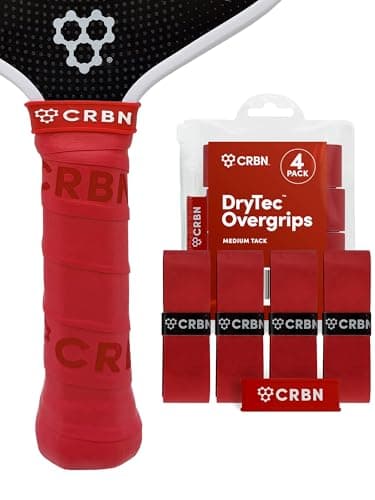
| A spare overgrip | Grips die mid-session in heat; a fresh wrap takes 90 seconds |
| A second paddle | So a newcomer with nothing can play — you'll make friends instantly |
| Sunscreen and a hat | Outdoor sessions run for hours in full sun |
| A snack | Three hours is longer than it sounds |
| A bag with a fence hook | Keeps your gear off the ground and findable |
| Sunglasses or eye protection | Balls get hit at faces at the kitchen line |
The overgrip is the one people forget. A grip that glazes over mid-session makes you squeeze, and squeezing costs you touch and loads your forearm. Our best overgrips roundup covers which type suits which hands, and if your hands sweat heavily, a glove is the more permanent fix.
The eye protection line is the one I would move up the list. Open play is doubles, which means you spend the session at the kitchen line with three other paddles inside a small box — the exact situation eye doctors point at when they recommend pickleball eyewear. A pair that lives in your bag costs less than a tube of balls.
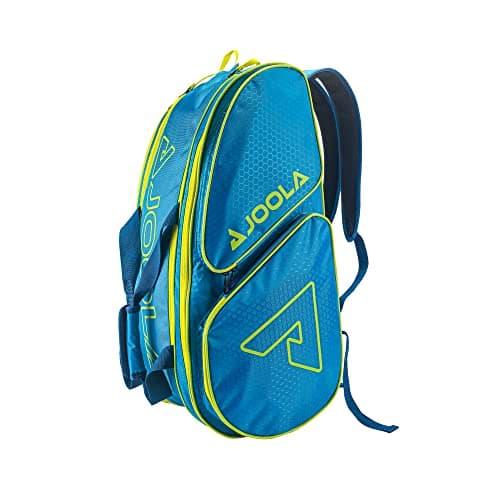
A proper pickleball bagis not essential and does make the day easier — particularly one with a fence hook, so your gear isn't sitting in the dirt for three hours.
Leave it at home
Three paddles. Bring one you like and maybe a spare. Nobody at open play is testing equipment between games, and a bag full of paddles reads as trying too hard.
Strong opinions about rules.Every venue has local conventions — whether they play let serves, how they handle line disputes, whether the score gets called. Learn theirs before you correct anyone. Our rules guide covers the official version if you want to be sure.
The expectation of a warm-up.Open play usually means walking on and starting. Warm up on the sideline while you wait rather than assuming you'll get five minutes of dinking.
How the rotation actually works
There is no universal system, which is precisely why it's confusing. The three common ones:
Paddle stacking. The most widespread. There is a rack, fence or bench near the courts. You put your paddle in the queue when you arrive; when a court frees up, the next four paddles in the queue take it and their owners play. Simple once you know it exists, and completely opaque until someone tells you.
Winners stay.The winning pair keeps the court and the next two players come on. Sometimes the winners split up. Sometimes there's a cap on consecutive wins. It varies.
Rotating fours. All four players come off after every game and the next four go on, regardless of who won. The fairest system, and the one that gets a beginner the most court time.
Etiquette nobody explains
Paddle tap at the end of every game.All four players tap paddles — handles, not faces — when the game finishes. Universal, and skipping it reads as rude. Tap handles, because faces are what you paid for.
Call the score before every serve, loudly. Not optional in practice. It is how four people stay in sync, and forgetting is the main cause of mid-game arguments. The three-number version is explained in our rules guide.
Call your own lines, and give the benefit of the doubt.The ball on your side is your call, and if you genuinely can't tell, it's in. This is the strongest norm in the sport and the fastest way to earn or lose respect.
Shout "ball on" for strays. If a ball rolls onto a neighboring court, call it immediately; if one arrives on yours, stop and replay the rally. Stray balls cause more injuries than anything else on a pickleball court.
Don't coach unless asked. Unsolicited advice mid-game is the most common complaint at open play, particularly from newer players who are just trying to get through their first hour.
Don't bang at beginners.If you're clearly the strongest player on court, hitting hard at the weakest doesn't make you good. Dink, work on placement, use your backhand. Everyone notices, in both directions.
Surviving your first session
Go early. Arrive when the session opens. Courts are emptier, the queue is shorter and there are more people willing to explain how things work before it gets busy.
Say you're new.Openly. In almost every group, the response is people going easier on you and telling you what's happening. It also stops anyone assuming you know a system you don't.
Expect to play more than you expect.Games to 11 with fast rotations means a lot of pickleball in two hours. Pace your water, and don't be surprised if your legs are finished before your enthusiasm is.
Watch a game before your first one.Five minutes on the sideline tells you the local rotation, the standard, and the etiquette faster than any amount of asking. It is also where you'll notice how much the good players dink — which is the lesson most new players take longest to accept. Our dinking drills guide is the follow-up.
Go back next week.The first session is the hard one. By the third, you know the system, some names, and where to put your paddle — and open play turns into the reason people play this sport four times a week.
For the clothing side of the same question — the pocket that actually matters, and the two things never to wear on court — see what to wear to play pickleball.
Frequently asked questions
What should I bring to pickleball open play?
A paddle, court shoes (not running shoes), plenty of water, a towel, and a ball or two. Worth adding: a spare overgrip, sunscreen and a hat for outdoor sessions, a snack, and a spare paddle so a newcomer with nothing can play. Bring your own paddle even if loaners are available — loaner paddles are usually old and dead.
What is paddle stacking at pickleball open play?
It's the most common way venues manage the queue. There's a rack, fence or bench near the courts where you place your paddle when you arrive. When a court frees up, the next four paddles in the queue go on and their owners play. It's simple once you know it exists — and completely invisible until someone explains it, so just ask.
Do I need my own paddle for open play?
Not strictly — many venues have loaners — but bring your own if you can. Loaner paddles are typically old, heavy and dead-feeling, which makes a first session considerably harder than it needs to be. Even an inexpensive beginner paddle with a decent core will feel dramatically better than a bin paddle.
What's the etiquette at pickleball open play?
Tap paddles with all four players at the end of every game, using handles rather than faces. Call the score loudly before every serve. Call your own lines and give the benefit of the doubt when unsure. Shout 'ball on' for stray balls and replay the rally. Don't coach unless asked, and don't hit hard at obviously weaker players.
How long does pickleball open play usually last?
Sessions typically run two to three hours, and you play far more of that than you'd expect — games go to 11 and rotations are quick, so there's little standing around. Bring more water than feels necessary, pace yourself early, and expect your legs to tire before your enthusiasm does.
Sources
Keep reading
Upgrading your paddle or gearing up to play?
See how we pick, then dig into the paddle roundups and buying guides — honest picks from someone who actually plays, with no inventory to move.