Shoe Roundup
The Best Pickleball Shoes for Plantar Fasciitis
Heel pain that's worst on your first steps out of bed is the classic sign, and pickleball's stop-start loading makes it worse. These court shoes support the arch without giving up the lateral stability that keeps your ankles intact.
The short answer
Quick picks
| # | Product | Best for | Score | Price |
|---|---|---|---|---|
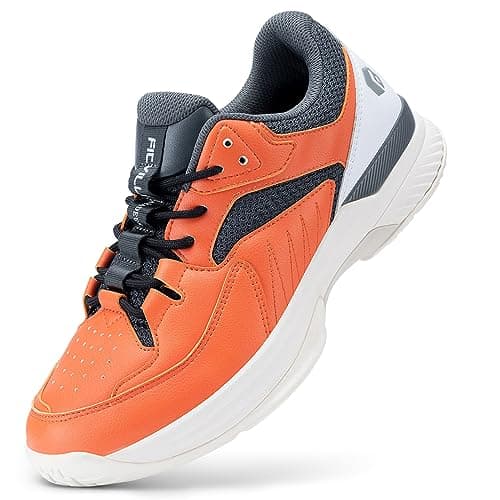
| 01 | FitVille Men's Wide Pickleball Shoes Built around arch support and a wide toe box, in X-Wide fittings. | Best overall for arch support | 4.5/5 | $55.99Amazon |
| 02 | 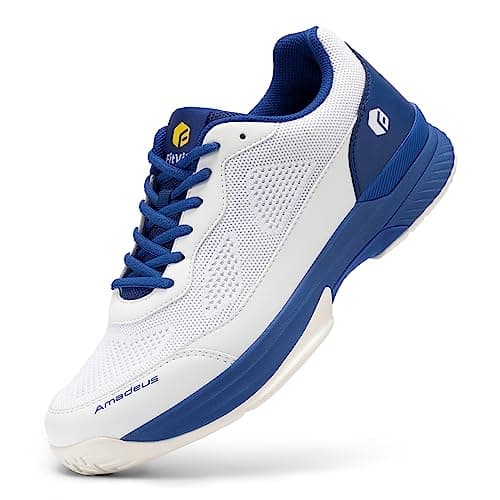 FitVille Wide Pickleball Shoes The wide-fit court shoe most players with foot pain end up in. | Best for wide feet | 4.4/5 | $69.99Amazon |
| 03 | 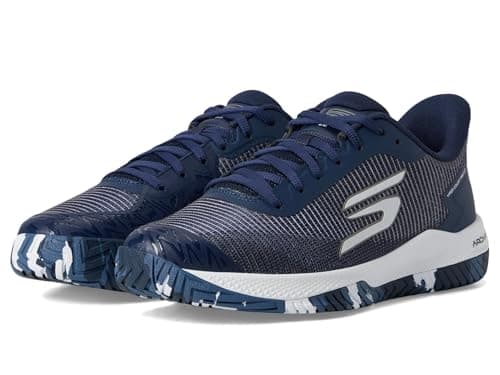 Skechers Viper Court Pro 2.0 Arch Fit insole in a pickleball-specific shoe — comfort without compromise. | Best cushioned court shoe | 4.6/5 | $103.50Amazon |
| 04 | 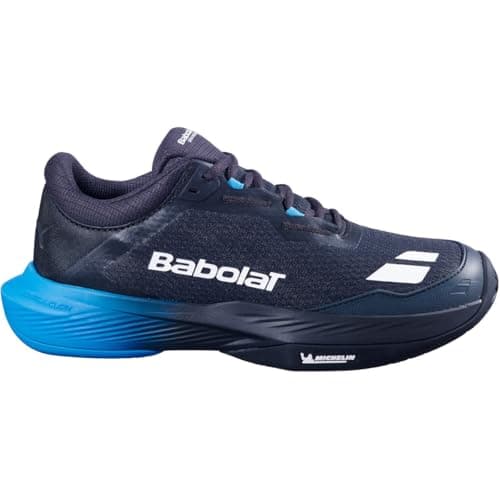 Babolat SFX 4 A durable stability shoe from a tennis brand that understands feet. | Best stability | 4.4/5 | $76.30Amazon |
| 05 | 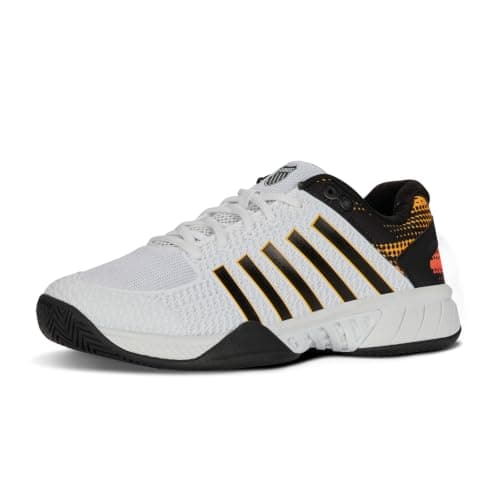 K-Swiss Express Light Stable support with less weight underfoot for long sessions. | Best lightweight option | 4.4/5 | $79.94Amazon |
#ad · Live prices from Amazon as of October 19, 2026; where we have no verified live price we show none. We may earn a commission — see our affiliate disclosure.
Plantar fasciitis is inflammation of the thick band of tissue running along the sole of your foot from heel to toes. The classic sign is sharp heel pain on your first few steps in the morning that eases as you move — and then returns after a long session on court. Pickleball is a good way to acquire it and a very good way to keep it: constant stopping, pivoting and pushing off loads that tissue repeatedly.
The shoe problem is that the two things you need pull against each other. Plantar pain wants cushioning and arch support; pickleball wants a low, firm, stable platform so your ankle doesn't roll. Get that balance wrong in either direction and you trade one injury for another. These five get it about right. My overall pick is the FitVille wide court shoe, with the Skechers Viper Court Pro 2.0 as the mainstream alternative.
First, the important part
One thing worth saying up front: the temptation with foot pain is to reach for the softest, most cushioned running shoe you own. On a pickleball court that is the worst possible answer. A tall, soft, unstable midsole with a forward-only outsole is how ankles roll — you would be swapping heel pain for a sprain. See what shoes not to wear for pickleball.
What actually helps in a shoe
Genuine arch support, not just cushioning. Cushioning absorbs impact; support reduces how far the arch flattens under load, which is what stresses the fascia. A molded, contoured footbed does more than a thick, squashy midsole.
A firm heel counter.The stiff cup around your heel controls how much the rearfoot rolls inward. Squeeze it — if it collapses between your fingers, it will collapse under you.
Enough width. A narrow court shoe squeezes the forefoot and changes how the foot loads, and many players with plantar issues also have wider feet. Width is often the single biggest comfort variable, which is why two of the picks here are wide-specific.
A modest heel-to-toe drop. A small amount of heel lift takes tension off the Achilles and, indirectly, off the fascia. A completely flat shoe tends to aggravate both.
Still a court outsole.Non-negotiable. Whatever else the shoe does, it must be a court shoe — herringbone or gum rubber, low profile, lateral support. Our how to choose pickleball shoes guide covers the fundamentals.
At a glance
Specs come from each manufacturer's published listing. Live prices are on the buttons.
| Shoe | Width options | Key support feature | Best for |
|---|---|---|---|
| FitVille Wide (X-Wide) | Wide and X-Wide | Arch support built into the last | Arch pain plus wide feet |
| FitVille Wide | Wide | Wide toe box, arch support | Wide feet |
| Skechers Viper Court Pro 2.0 | Standard | Arch Fit insole | Cushioned comfort |
| Babolat SFX 4 | Standard | Stability chassis, durable build | Stability and durability |
| K-Swiss Express Light | Standard | Stable support, low weight | Long sessions |
Best overall for arch support: FitVille Wide Pickleball Shoes (X-Wide)
FitVille builds shoes for feet that mainstream lasts don't fit, and its pickleball model is explicitly designed with arch support for plantar fasciitis and a wide toe box, in Wide and X-Widefittings. It is an all-court tennis-style shoe, so the outsole and lateral support are appropriate for the sport — this is not a walking shoe with a court sticker on it.
| Category | All-court tennis / pickleball shoe |
|---|---|
| Fittings | Wide and X-Wide |
| Support | Arch support for plantar fasciitis |
| Toe box | Wide |
| Best for | Arch pain combined with wide feet |
What I like: it addresses width and arch support together, which is the combination most players with plantar pain actually need and almost nobody else offers in a court shoe. What gives me pause: it is a specialist brand, so the fit is worth confirming before you commit — and X-Wide is genuinely wide, which is too much shoe for a narrow foot.
Best for wide feet: FitVille Wide Pickleball Shoes
The standard Wide fitting of the same platform, for players whose main problem is width rather than an extreme fitting requirement. Same arch support and wide toe box, in a shoe that doesn't feel cavernous if your foot is merely wide rather than very wide.
| Category | All-court tennis / pickleball shoe |
|---|---|
| Fitting | Wide |
| Support | Arch support |
| Toe box | Wide |
| Best for | Wide feet without extreme fitting needs |
What I like: it solves the most common fit complaint in court shoes, which are cut narrow by design. What gives me pause: same specialist-brand caveat — check the size chart rather than assuming your usual number. It also appears in our main pickleball shoes roundup.
Best cushioned court shoe: Skechers Viper Court Pro 2.0
If your feet are a normal width and you want the most comfortable mainstream option, this is it. The Arch Fit insole is a contoured, supportive footbed rather than a flat piece of foam, and the rest of the shoe is a proper pickleball-specific court shoe— low, stable, with a court outsole.
| Category | Pickleball-specific court shoe |
|---|---|
| Support | Arch Fit contoured insole |
| Surfaces | Indoor and outdoor |
| Comfort | Cushioned, minimal break-in |
| Best for | Standard-width feet wanting comfort |
What I like: comfort out of the box in a category where break-in is often punishing, without sacrificing lateral stability. What gives me pause: standard width only — if width is your issue, the FitVille models are the answer. Full detail in our Skechers Viper Court Pro review.
Best stability: Babolat SFX 4
Babolat comes from tennis, where players spend far longer on court than most pickleball players do, and the SFX line has always been its durability-and-stability shoe. For someone managing foot pain, a shoe that holds its shape over months matters more than it sounds: a collapsed heel counter or a packed-out midsole quietly removes the support you bought.
| Category | Tennis / pickleball court shoe |
|---|---|
| Character | Stability and durability focus |
| Heritage | Babolat tennis footwear |
| Best surface | Outdoor hard court |
| Best for | Players who want support that lasts |
What I like: it stays supportive for longer than lighter shoes, which is exactly the point. What gives me pause: stability shoes are heavier, and standard width only.
Best lightweight option: K-Swiss Express Light
If your sessions run long, weight underfoot accumulates into fatigue, and a fatigued foot loads its arch worse. The Express Light is a lightweight, breathable pickleball shoe that keeps stable support and adds a durable toe drag guard— a sensible compromise if you want support without a heavy shoe.
| Category | Pickleball-specific court shoe |
|---|---|
| Weight | Lightweight build |
| Support | Stable, supportive chassis |
| Durability | Toe drag guard |
| Best for | Long sessions and multi-game days |
What I like: it is the least fatiguing shoe here without being flimsy. What gives me pause: less inherent cushioning than the Skechers — if heel pain is severe, start with more shoe, or add an insole (see below). Our K-Swiss Express Light review has the full verdict.
The insole question
A supportive aftermarket insole is often the cheapest meaningful upgrade for plantar pain, and it lets you keep a court shoe you otherwise like. Two practical notes if you go that way.
First, remove the original insolebefore fitting a new one. Stacking them raises your foot in the shoe, which reduces how well the upper holds you and makes lateral movement less stable — precisely the wrong trade in this sport.
Second, buy the shoe with the insole in mind. A shoe with a removable footbed and a little internal volume takes an orthotic well; a low-volume performance shoe often won't. If a clinician has prescribed custom orthotics, take them shopping with you.
The bottom line
If arch pain and wide feet come together — which they often do — the FitVille wide court shoe is the most targeted answer. Standard width and want maximum comfort? The Skechers Viper Court Pro 2.0. Want support that survives a season? The Babolat SFX 4. Long sessions? The K-Swiss Express Light. All of them are court shoes first, which is the rule that shouldn't be broken however sore your feet are. More kit in the court gear hub, and if your discomfort is general rather than arch-specific, our most comfortable pickleball shoes page splits comfort into the four separate problems it actually is.
Frequently asked questions
What should I look for in a pickleball shoe if I have plantar fasciitis?
Genuine arch support rather than just soft cushioning, a firm heel counter that doesn't collapse when you squeeze it, enough width that the forefoot isn't compressed, and a modest heel-to-toe drop. All of that has to sit on a proper court outsole with low-profile lateral support — a cushioned running shoe will ease your heel and threaten your ankle.
Can I wear cushioned running shoes for pickleball if my feet hurt?
No — it's the most common and most dangerous substitution in the sport. Running shoes have tall, soft, deliberately unstable midsoles and outsoles designed only for forward motion, so hard lateral pushes roll the foot over the edge of the platform. You'd be trading heel pain for an ankle sprain. Choose a court shoe with better arch support instead.
Do aftermarket insoles help with plantar fasciitis in court shoes?
Often, yes — a supportive contoured insole is the cheapest meaningful upgrade and lets you keep a shoe you already like. Always remove the original footbed first rather than stacking them, since raising your foot in the shoe reduces how securely the upper holds you during lateral movement. Buy shoes with removable footbeds and a bit of internal volume if you plan to use orthotics.
Are wide pickleball shoes better for foot pain?
For many players, yes. Court shoes are cut narrow on purpose to provide lateral support, and that compression can aggravate an already irritated foot. If your forefoot feels squeezed, a wide-specific model addresses the problem far better than sizing up in a standard width, which just makes the shoe too long and lets your heel slip.
Will better shoes cure my plantar fasciitis?
No. Footwear reduces the load your foot takes each session, which gives irritated tissue room to settle — but recovery generally comes from managed activity, calf and foot strengthening, stretching and time, ideally guided by a clinician. Treat the right shoes as removing an obstacle to healing rather than as the treatment.
Sources
Keep reading
Upgrading your paddle or gearing up to play?
See how we pick, then dig into the paddle roundups and buying guides — honest picks from someone who actually plays, with no inventory to move.