Court Gear Roundup
The Best Budget Pickleball Shoes in 2026
Court shoes are the one piece of pickleball gear that is genuinely about injury, not performance. The good news: the cheapest way to protect your ankles costs about fifty dollars, and it is not a pickleball-branded shoe.
The short answer
Quick picks
| # | Product | Best for | Score | Price |
|---|---|---|---|---|
| 01 | ASICS Gel-Dedicate 8 A proper tennis outsole and GEL cushioning from the safest brand in court fit. | Best overall budget court shoe | 4.5/5 | Check price → |
| 02 | 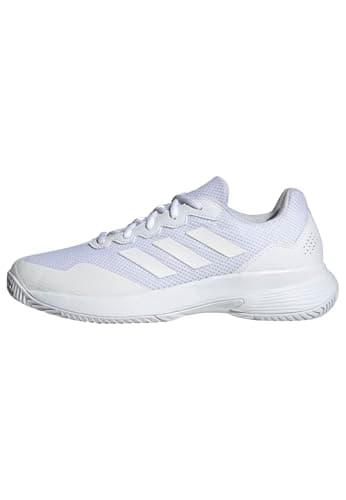 adidas Gamecourt 2 Adiwear-style durable outsole built for hard courts, usually around $50. | Best for outdoor courts | 4.3/5 | $63.00Amazon |
| 03 | 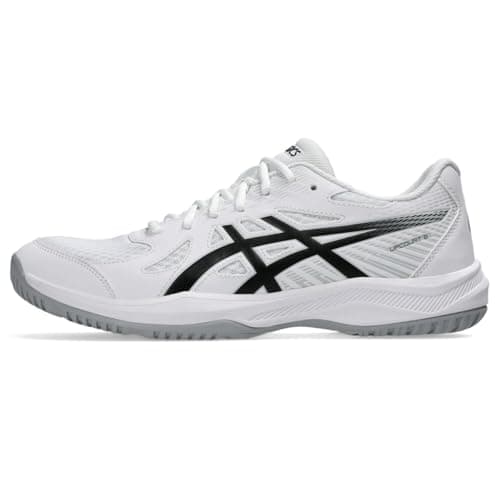 ASICS Upcourt 6 A gum-style indoor court outsole - grippy on wood and sport tile. | Best for indoor courts | 4.2/5 | $64.95Amazon |
| 04 | 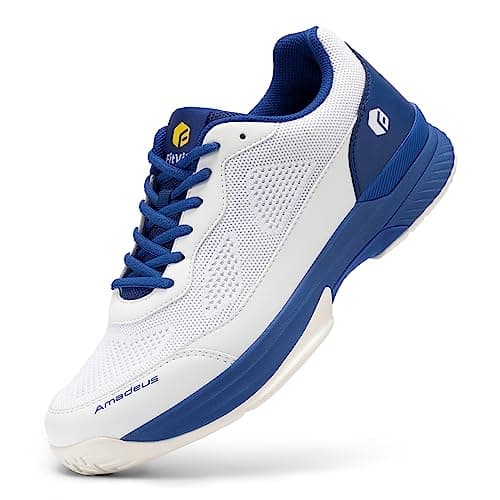 FitVille Wide Pickleball Wide and X-wide fittings with real arch support, at a budget price. | Best for wide feet | 4.2/5 | $69.99Amazon |
| 05 | 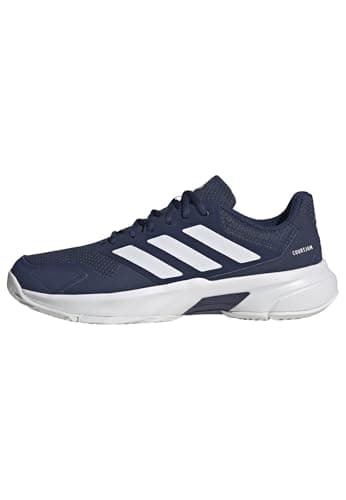 adidas Courtjam Control 3 More lateral support than anything else here, at the top of the budget band. | Best stability under $70 | 4.4/5 | $69.95Amazon |
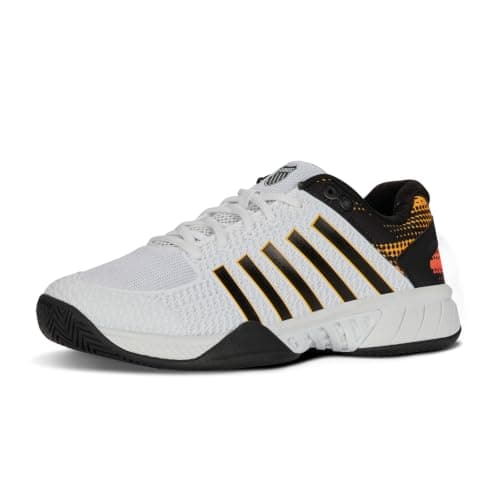
| 06 | K-Swiss Court Express (Women's) K-Swiss court heritage in a women's-specific fit around $50. | Best women's budget pick | 4.3/5 | Check price → |
#ad · Live prices from Amazon as of October 19, 2026; where we have no verified live price we show none. We may earn a commission — see our affiliate disclosure.
Every other page on this site is about playing better. This one is about not getting hurt. Court shoes are the single piece of pickleball equipment with a genuine injury argument behind it, and the good news is that the argument is satisfied a long way below the top of the market — roughly fifty dollars, and the shoe does not have to say "pickleball" on it.
My overall pick is the ASICS Gel-Dedicate 8: a real tennis outsole, real cushioning, and one of the lowest prices in court footwear. If you play mostly indoors, the ASICS Upcourt 6 is the better outsole for you; if lateral support is what you want and you can stretch to the top of this band, the adidas Courtjam Control 3. And if you are here because your running shoes have been fine so far, please read the next section.
Why this is the one purchase not to skip
Running shoes are built for one direction: forward. They have soft, tall, cushioned midsoles designed to absorb repeated heel strike, and narrow outsoles because a runner never needs lateral grip. Pickleball is played almost entirely sideways — split step, shuffle, lunge, recover.
Put a tall soft midsole under a sideways movement and the foot rolls over the edge of the platform. That is the mechanism behind the ankle sprains that fill pickleball injury conversations, and it is a footwear problem rather than a fitness one. A court shoe has a lower, firmer, wider platform and a herringbone outsole that grips laterally — it is engineered to stop exactly that roll. The longer version is in what shoes not to wear for pickleball and how to choose pickleball shoes.
What a budget actually costs you
Below about $70 you still get the things that matter: a herringbone or modified-herringbone outsole, a low firm platform, a reinforced toe area, and a lateral cage or overlay of some kind. That is the safety package, and it is complete at this price.
What you give up is real but secondary. Outsole durabilityis the big one — premium court shoes use harder rubber compounds and often carry a six-month outsole warranty, and budget shoes on abrasive outdoor courts will wear through faster. Upper materials are typically less breathable and less structured. Cushioning technology is simpler, which you notice in the third hour rather than the first. And weight is usually a little higher.
None of those is an injury issue. They are comfort and replacement-cycle issues, which is exactly the right thing to trade away when money is tight. If those things matter to you, the premium field is in our best pickleball shoes roundup.
How we picked
I don't sell shoes and no brand pays for a place here. These are evaluated against manufacturer specifications and a lot of time on court in court shoes generally — I have not personally worn every model in every size, and I say where I am generalizing.
The bar to make this list was simple and non-negotiable: it has to be a genuine court shoe — tennis, pickleball or indoor court — with a lateral-grip outsole and a low firm platform. No running shoes, no cross-trainers, no "athletic sneakers". After that I ranked on outsole type, stability features, fit options, and how the price compares to what the shoe actually is.
At a glance
| Shoe | Type | Outsole | Best for |
|---|---|---|---|
| ASICS Gel-Dedicate 8 | Tennis | Hard-court herringbone | All-round value |
| adidas Gamecourt 2 | Tennis | Durable hard-court | Outdoor courts |
| ASICS Upcourt 6 | Indoor court | Gum-style indoor | Wood and sport tile |
| FitVille Wide Pickleball | Pickleball | All-court | Wide and X-wide feet |
| adidas Courtjam Control 3 | Tennis | Hard-court, supportive chassis | Lateral stability |
| K-Swiss Court Express (W) | Pickleball / court | All-court | Women's fit |
Best overall budget court shoe: ASICS Gel-Dedicate 8
The Gel-Dedicate has been ASICS' entry tennis shoe for years, and version 8 is the best value in court footwear right now. You get a genuine hard-court herringbone outsole, ASICS' GEL cushioning in the rearfoot, a supportive synthetic upper, and the low, wide platform that makes lateral movement safe — from a brand whose fit reputation in court shoes is as good as anyone's.
| Type | Tennis / hard court |
|---|---|
| Outsole | Herringbone hard-court pattern |
| Cushioning | GEL rearfoot |
| Upper | Synthetic with supportive overlays |
| Best for | All-round pickleball on any surface |
What I like: it is a proper court shoe with nothing important missing, at a price that makes the whole "can I afford court shoes" question disappear. What gives me pause: the outsole compound is not the hardest ASICS makes, so heavy outdoor play will wear it faster than a premium model; and it is a firm, fairly basic ride. It is also the budget pick on our main best pickleball shoes list.
Best for outdoor courts: adidas Gamecourt 2
Outdoor courts are abrasive, and abrasion is what kills budget shoes. The Gamecourt 2 is adidas' entry hard-court tennis shoe, built around a durable outsole compound intended for exactly that surface, with a supportive upper and the low stable platform you need. It usually sits at or below fifty dollars, which makes it the sensible default for anyone playing outside most weeks.
| Type | Tennis / hard court |
|---|---|
| Outsole | Durable hard-court rubber |
| Platform | Low, stable, court-specific |
| Best for | Outdoor concrete and asphalt courts |
What I like: the most durable outsole per dollar in this group, from a brand that has been making hard-court shoes for decades. What gives me pause: cushioning is basic, so long tournament days are less comfortable than in the pricier picks; and adidas court shoes tend to run narrow, so wide-footed players should look at the FitVille instead. A women's version appears in our best women's pickleball shoes roundup.
Best for indoor courts: ASICS Upcourt 6
Indoor pickleball on a gym floor or sport tile needs a different outsole from outdoor concrete. The Upcourt is ASICS' indoor court shoe — sold for volleyball, which is simply the biggest indoor court sport — and it uses a gum-style non-marking outsole tuned for grip on wood and synthetic indoor surfaces rather than for abrasion resistance on concrete.
| Type | Indoor court (volleyball) |
|---|---|
| Outsole | Gum-style non-marking indoor rubber |
| Platform | Low, wide, lateral-stable |
| Best for | Indoor pickleball on wood or sport tile |
What I like: genuinely better grip indoors than a hard-court outsole gives you, and indoor court shoes are consistently cheaper than their outdoor equivalents. What gives me pause: gum outsoles wear quickly on outdoor concrete — if you play both, buy an outdoor shoe and accept slightly less indoor grip. The women's Upcourt is the indoor pick on our women's shoes page.
Best for wide feet: FitVille Wide Pickleball
Court shoes run narrow as a category, because a snug fit is part of how they stop your foot sliding inside the shoe during a lateral push. That is genuinely miserable if you have wide feet, and it is why FitVille has built a following: wide and X-wide fittings in a purpose-built pickleball shoe with real arch support, at a budget price.
| Type | Pickleball / all court |
|---|---|
| Fit | Wide and X-wide options |
| Support | Structured arch support, wide toe box |
| Best for | Wide feet, high volume feet, arch support |
What I like: it solves a fit problem that the major brands mostly ignore, and it does it cheaply. What gives me pause: FitVille is a smaller brand without the outsole-compound engineering of ASICS or adidas, so durability on abrasive outdoor courts is the weak point. It also leads our shoes for plantar fasciitis roundup for the arch support.
Best stability under $70: adidas Courtjam Control 3
At the top of this price band you can start buying real lateral support rather than merely adequate support. The Courtjam Control is adidas' stability-oriented hard-court shoe, with a more structured chassis and firmer midfoot than the Gamecourt, which is what keeps the foot from moving inside the shoe on a hard lateral push.
| Type | Tennis / hard court |
|---|---|
| Focus | Lateral stability and midfoot control |
| Outsole | Hard-court rubber |
| Best for | Aggressive movers who want support under $70 |
What I like: noticeably more supportive than anything else here, and still within a budget. What gives me pause: it is the most expensive pick on this page and it is stiffer than the others, which some players read as harsh; adidas court fit also runs narrow. If you want to spend a little more for stability, the Babolat SFX 4 in our main shoes roundup is the next step.
Best women's budget pick: K-Swiss Court Express
K-Swiss has made court shoes since the 1960s and its pickleball-specific line is one of the better-regarded in the sport. The Court Express is the accessible version in a women's fit — a court-specific last, an all-court outsole, and the low stable platform, usually around fifty dollars.
| Type | Pickleball / court |
|---|---|
| Fit | Women's-specific last |
| Outsole | All-court rubber |
| Best for | Women who want a court-specific fit on a budget |
What I like: a genuine women's court last rather than a shrunk-down men's shoe, from a brand with real pickleball credibility. What gives me pause: it sits below K-Swiss's Express Light in materials and cushioning, so a heavy player or a long tournament day will find the ceiling. More options in our best women's pickleball shoes roundup, and the Express Light itself has a full review.
Making a cheap pair last
Budget shoes die at the outsole, and most of that wear is avoidable.
Keep them for the court.Walking to the court in your court shoes is how people wear out an outsole in a season. Carry them — every pickleball bag has a shoe compartment, and our best pickleball bags roundup covers those.
Match the outsole to the surface. Gum indoor outsoles shred on concrete; hard-court outsoles are merely adequate indoors. If you play both, buy for the surface you play on most.
Replace on the outsole, not on looks.When the herringbone pattern under the ball of your foot has gone smooth, the shoe has stopped doing the job you bought it for — regardless of how clean the upper still looks. That is the moment to replace, not six months later.
The bottom line
For most players, the ASICS Gel-Dedicate 8 is the answer: a real court shoe with nothing important missing, at a price that removes the excuse. Playing outdoors most weeks? The adidas Gamecourt 2 has the more durable outsole. Indoors? The ASICS Upcourt 6. Wide feet? The FitVille. Want the most support your budget allows? The adidas Courtjam Control 3. Women's fit around fifty dollars? The K-Swiss Court Express. Whichever you pick, the important part is that it is a court shoe — that decision matters far more than which one you choose.
Frequently asked questions
Can I use tennis shoes for pickleball?
Yes — tennis shoes are court shoes, and they are exactly the right tool. They have the low firm platform and lateral-grip outsole that pickleball's sideways movement requires. Several of the best budget options for pickleball are entry-level tennis shoes, and they are usually cheaper than pickleball-branded equivalents with the same construction.
How much should I spend on pickleball shoes?
About $50 buys the entire safety package: a herringbone lateral-grip outsole, a low firm platform, a reinforced toe and some form of lateral support. Spending more buys harder outsole compounds that last longer, better cushioning for long days, and more breathable uppers — all comfort and replacement-cycle improvements rather than injury-prevention ones.
Are cheap pickleball shoes bad for your feet?
A cheap court shoe is far better for your feet than an expensive running shoe, because the protective feature is the platform geometry and outsole rather than the price. Where budget shoes genuinely fall short is long-session cushioning and outsole durability. If you have plantar fasciitis or another specific foot condition, arch support matters more than price and our shoes for plantar fasciitis roundup is the better starting point.
What's the difference between indoor and outdoor court shoes?
The outsole. Indoor court shoes use a softer gum-style non-marking rubber tuned for grip on wood and sport tile; outdoor shoes use a harder compound built to survive abrasive concrete and asphalt. Using an indoor outsole outdoors wears it out quickly, while an outdoor outsole indoors is safe but a little less grippy. If you play both, buy for whichever surface you play on most.
How often should I replace budget pickleball shoes?
Judge by the outsole rather than the calendar. When the herringbone pattern under the ball of the foot has worn smooth, the shoe has lost the lateral grip you bought it for, no matter how clean the upper looks. On abrasive outdoor courts that can happen in a few months of frequent play — which is exactly why a $50 shoe you replace happily can beat a $150 shoe you nurse past its useful life.
Sources
Keep reading
Upgrading your paddle or gearing up to play?
See how we pick, then dig into the paddle roundups and buying guides — honest picks from someone who actually plays, with no inventory to move.