Comparison Guide
Gearbox vs JOOLA: Engineering or Surface?
These two brands disagree about what a paddle is. Gearbox builds a rigid structure and asks the face to do less; JOOLA builds the best face in the sport and keeps the proven core. Here is which argument should win in your hand.
The short answer
Quick picks
| # | Product | Best for | Score | Price |
|---|---|---|---|---|
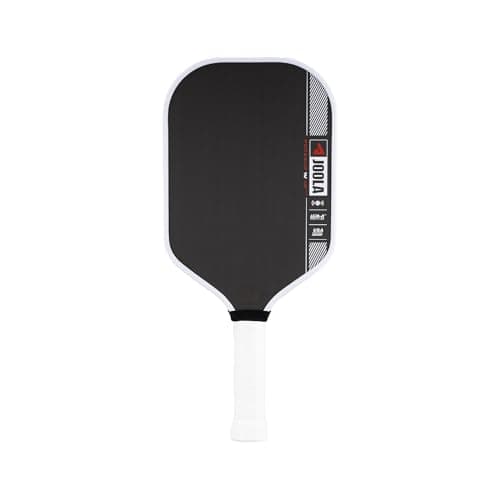
| 01 | JOOLA Perseus Pro IV 16mm Foam outside the frame on a flagship elongated body - the most forgiving paddle here. | Best JOOLA overall | 4.5/5 | $149.95Amazon |
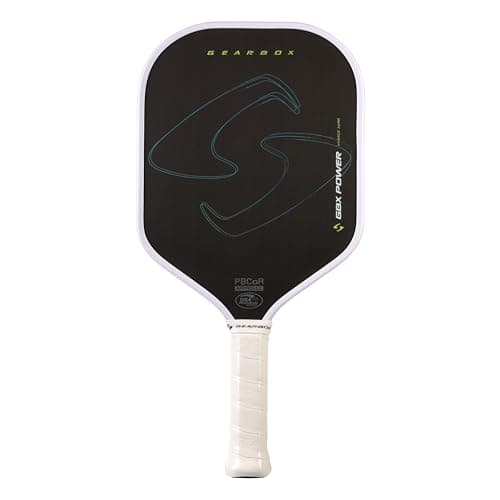
| 02 | 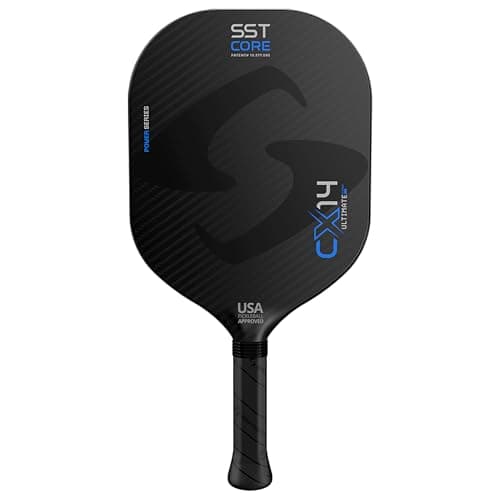 Gearbox CX14H Ultimate Power 8.5 oz of solid SSTcore structure - nothing on this page twists less on a mishit. | Best Gearbox for stability | 4.5/5 | $149.99Amazon |
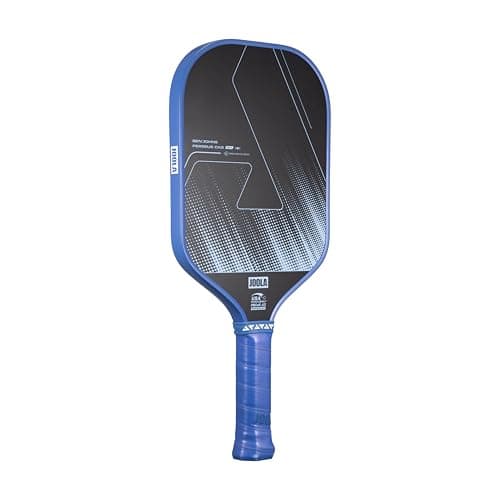
| 03 | 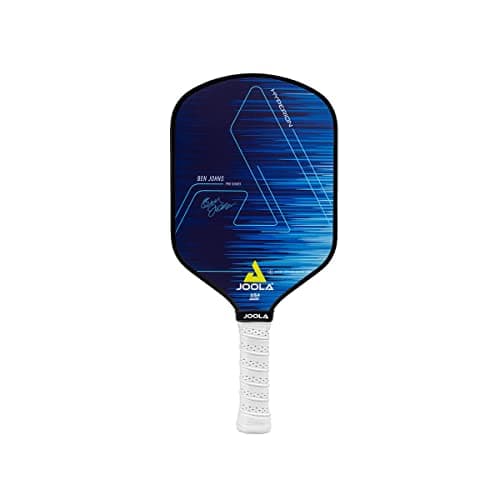 JOOLA Ben Johns Hyperion CAS 16 One of the grippiest legal faces made, on a 16.5 in elongated body at 8.3 oz. | Best JOOLA for spin | 4.4/5 | $110.92Amazon |
| 04 | 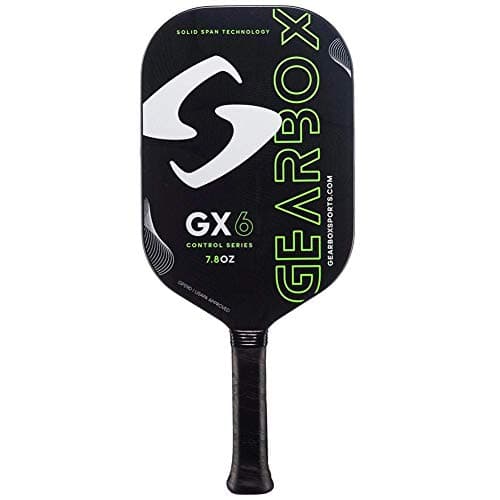 Gearbox GX6 Control Solid-core, edgeless carbon frame in four weight-and-grip combinations. | Best Gearbox for touch | 4.4/5 | $134.99Amazon |
#ad · Live prices from Amazon as of October 17, 2026; where we have no verified live price we show none. We may earn a commission — see our affiliate disclosure.
The short answer
Buy JOOLA unless you specifically want what Gearbox does differently.JOOLA makes the better paddle for most players at most prices — the best faces in the sport, a model at nearly every price point, and the strongest resale if you change your mind. Start with the Perseus Pro IV 16mm.
Buy Gearbox if you want a solid core. Gearbox came from racquetball and still builds paddles as rigid single structures rather than face-over-honeycomb sandwiches, and the result is an unusually flat response across the whole face: fewer great shots, far fewer terrible ones. If you value predictability over peak output, or you have a two-handed backhand and want a long handle, that is a real reason to pick the smaller brand.
| Gearbox | JOOLA | |
|---|---|---|
| Identity | Racquetball manufacturer turned paddle engineer | Global table-tennis manufacturer turned full-range pickleball brand |
| Strength | Structural engineering, flat and predictable response | Surface technology, breadth, pro presence |
| Signature tech | Solid SSTcore, Gen-3 suspended core, unidirectional carbon | Carbon Abrasion Surface, Aero Curve shape, Propulsion Core |
| Shapes | Hybrid and elongated, long 5.5 in handles | Elongated (Perseus, Hyperion) and hybrid Aero Curve |
| Price range | About $85 to $200 | About $40 to $280 |
| Entry-level option | No real sub-$85 paddle | Yes - a genuine sub-$50 paddle in the Journey |
| Spin ceiling | Good rather than great - woven carbon does not bite like raw grit | Among the highest in the sport |
| Main risk | Thin retail stock and incomplete published specs | Confusing naming and a fast release cadence |
Two arguments about what a paddle is
JOOLAcame to pickleball from table tennis, where it has been a major manufacturer for decades, and it brought a surface-technology mindset with it. Carbon Abrasion Surface, the Aero Curve hybrid shape and the Propulsion Core are all JOOLA ideas the rest of the market has since chased. Crucially, JOOLA's mid-price paddles get the same face technology as the flagships rather than a cheaper substitute, which is why a mid-tier JOOLA is such a strong buy and why the brand appears on so many of our roundups.
Gearbox came from racquetball, where it built solid-core racquets, and it still refuses to build paddles the way everybody else does. Its cores are structural rather than cellular, its carbon layups are unidirectional rather than woven-and-pressed, and its handles are long. It is a genuine engineering point of view rather than a marketing one, and it produces paddles that feel different in the hand from anything JOOLA makes.
So this comparison is not “which brand is better”. It is: do you want the paddle that does the most, or the paddle that does the same thing every time? Our best paddle brands page sets both against the wider market.
How they actually build
JOOLA builds on honeycomb and innovates around it.Like almost every paddle made, a JOOLA uses a polypropylene honeycomb core — a grid of hollow cells between two faces. The innovation is at the surface and the perimeter: Carbon Abrasion Surface for grip, the Propulsion Core and foam-filled edge walls on the flagship Perseus Pro IV for power and forgiveness, and shape work like the Aero Curve hybrid. It is evolution of a proven platform, and the proof is that JOOLA paddles have the highest spin ceilings in the sport.
Gearbox replaces the cell structure with ribs.The CX line's patented SSTcore uses carbon-fiber rib structures running through the body instead of honeycomb, with a Power Band suspending those ribs away from the perimeter so the face can still flex. The GBX line uses a Gen-3 suspended honeycomb core with unidirectional carbon. Either way, you are holding one rigid structure, which has two consequences: it cannot delaminate, because nothing is glued, and it transmits more feedback — and more vibration — into your hand.
What the difference feels like
On a drive.JOOLA gives you more. A high-grit face plus a propulsion-tuned core means the ball leaves faster and with more spin, and dips inside the baseline instead of sailing. A Gearbox drive is flatter and more predictable — less spin to work with, but it goes where you aimed.
On a mishit.Gearbox wins, and it is not close on the CX line. A wide face on a rigid single-piece structure resists twisting better than almost anything in the sport. The Perseus Pro IV is JOOLA's answer to this — foam outside the frame rather than a rigid core — and it is a very good answer, but it is solving the problem from the outside in.
On your arm.JOOLA, usually. A 16mm honeycomb core absorbs more than a solid carbon structure does. If your elbow is sensitive, Gearbox's firmest paddles are the wrong direction — start at best paddles for tennis elbow instead of choosing between these two brands at all.
In a hands battle.Depends which model, not which brand. Both make paddles from about 7.8 oz to about 8.5 oz, and what you feel is swing weight rather than static weight — our swing weight guide explains why two paddles that weigh the same can feel nothing alike.
Price, range and resale
JOOLA sells a paddle at nearly every price from about $40 to about $280. Gearbox starts around $85 and tops out around $200, with nothing at the entry level. If you want to spend under $80, this comparison is really “which JOOLA”, and the answer is in best JOOLA paddles.
Resale favours JOOLA heavily. It is the most recognised name in the sport, so a used JOOLA moves quickly and holds value; a used Gearbox is a harder sell to a club player who has never held one. That matters if you expect to change paddles within a year, which most improving players do.
Which paddle to buy from each
Four paddles, two from each brand — one for forgiveness, one for feel — all carried on this site and all in the price layer.
JOOLA Perseus Pro IV 16mm — the JOOLA to buy. A 16mm Honeycomb Propulsion core with a foam edge wall, which pushes the forgiving part of the face further toward the perimeter than any other paddle here, at about 8.1 oz average. It is the most forgiving elongated paddle on this site.
| Core | 16mm Honeycomb Propulsion with foam edge wall |
|---|---|
| Shape | Elongated, 16.5 x 7.5 in |
| Weight | 8.1 oz average (7.9-8.3 oz) |
| Surface | Carbon with JOOLA's Charged Surface Technology |
| Certification | USA Pickleball approved |
Gearbox CX14H Ultimate Power — the Gearbox argument in its purest form. Carbon-fiber ribs through a 14mm body, a Power Band suspending them off the perimeter, and a 3K woven carbon face, on an unusually wide 15.625 by 8 inch head. At 8.5 oz it is the heaviest and most stable paddle we carry — more in best heavy paddles.
| Surface | 3K woven carbon fiber (Toray T-700) |
|---|---|
| Core | 14mm patented SSTcore with Power Band |
| Dimensions | 15.625 x 8 in (Hyper shape) |
| Handle | 5.625 in; this listing is the 3 5/8 in (small) grip |
| Weight | 8.5 oz |
| Certification | USA Pickleball approved |
JOOLA Ben Johns Hyperion CAS 16 — the spin argument. The Carbon Abrasion Surface is one of the grippiest legal faces in the sport, on a 16.5 inch elongated body with a 5.5 inch handle long enough for a real two-handed backhand. Note that this is a superseded generation, so price and stock move around on the listing.
| Handle length | 5.5 in (fits a two-handed backhand) |
|---|---|
| Dimensions | 16.5 in long x 7.5 in wide, elongated |
| Weight | 8.3 oz average (8.1-8.5 oz range) |
| Face | Hybrid-ply with Carbon Abrasion Surface (high grit) |
| Core | 16mm Response Polymer |
| Grip | 4 1/4 in medium, Sure-Grip |
Gearbox GX6 Control — the touch player's Gearbox.A solid-core, edgeless carbon frame sold in four weight-and-grip combinations, so you fit the paddle to your hand rather than the reverse. Quiet, connected, and usable right out to the edges — see our GX6 Control review.
| Surface | Carbon fiber |
|---|---|
| Construction | Solid-core, edgeless carbon frame |
| Weight options | 7.8 oz and 8.5 oz |
| Grip options | 3 5/8 in and 3 15/16 in circumference |
| Variants | Control and Power |
| Certification | USA Pickleball approved |
So which one?
JOOLA, for most players.It has the better faces, a sensible paddle at every price, and the deepest shape range, and the Perseus Pro IV platform answers the forgiveness question that used to be Gearbox's trump card. If you are below 4.0 and choosing between these brands on reputation, buy a JOOLA and spend the saving on court shoes.
Gearbox, if the engineering is the point. Choose it when you want flat, predictable response rather than the highest ceiling; when you mishit often and want the paddle to forgive it structurally; when you want a long handle for a two-handed backhand; or when you have been burned by delamination and want a paddle with nothing glued inside it. Do not choose it if your arm hurts, if spin is the thing you are shopping for, or if you need to be able to replace the identical paddle next year.
Frequently asked questions
Is Gearbox or JOOLA better?
JOOLA, for most players. It makes the grippiest faces in the sport, sells a sensible paddle at nearly every price from about $40 to $280, and its flagship Perseus Pro IV is the most forgiving elongated paddle we carry. Gearbox is the better choice for a narrower player: someone who wants flat, predictable response from a solid structural core, a long handle for a two-handed backhand, or a paddle with nothing glued inside it.
How is a Gearbox core different from a JOOLA core?
A JOOLA uses a polypropylene honeycomb core - hollow cells between two faces - with the innovation at the surface and perimeter. Gearbox replaces the cell structure: the CX line's patented SSTcore runs carbon-fiber ribs through the body with a Power Band suspending them off the perimeter, and the GBX line uses a Gen-3 suspended core with unidirectional carbon. The Gearbox is one rigid structure, so it cannot delaminate, but it transmits more vibration into your hand.
Which brand has more spin, Gearbox or JOOLA?
JOOLA, clearly. Carbon Abrasion Surface is among the grippiest legal faces made and spin is the thing JOOLA is best at. Gearbox's woven carbon faces are good rather than great for spin - a 3K woven surface does not bite the ball like a raw high-grit face does. If spin is your priority, this comparison has a one-word answer.
Does Gearbox make a paddle for beginners?
Not really. Gearbox's range runs from about $85 to $200 with nothing at the entry level, and its firmest paddles are demanding on an inexperienced arm. JOOLA has a genuine sub-$50 paddle in the Journey and a full ladder above it, so a beginner choosing between these two brands should buy a JOOLA - or better, start with a starter set that includes balls.
Are Gearbox paddles good for tennis elbow?
Generally no, and that is the one place the brand's engineering works against it. A solid, rigid carbon structure sends more vibration into the hand and elbow than a 16mm honeycomb core does. If your arm already hurts, neither a Gearbox CX nor a thin-core power paddle is the right purchase - start with our best paddles for tennis elbow page, which is built around softer cores and shock absorption.
Sources
Keep reading
Upgrading your paddle or gearing up to play?
See how we pick, then dig into the paddle roundups and buying guides — honest picks from someone who actually plays, with no inventory to move.