Paddle Roundup
The Best Pickleball Paddle Brands in 2026
Ten brands worth your money, what each one is genuinely good at, and the single paddle to buy from each. Brand matters less than the spec sheet - but it is not nothing.
The short answer
Quick picks
| # | Product | Best for | Score | Price |
|---|---|---|---|---|
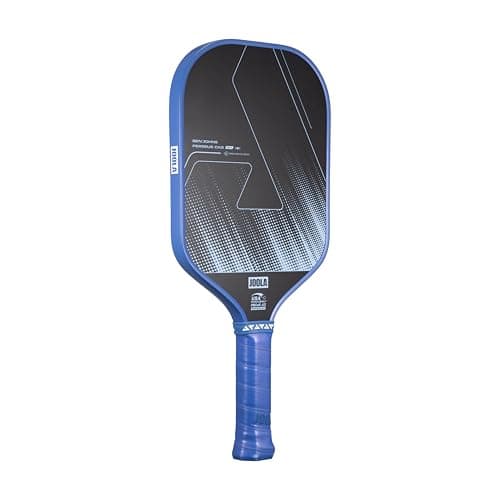
| 01 | JOOLA Perseus 16mm CAS The deepest range in pickleball, and the Perseus line is the best all-round paddle family on the market. | Best brand overall: JOOLA | 4.8/5 | $119.95Amazon |
| 02 | 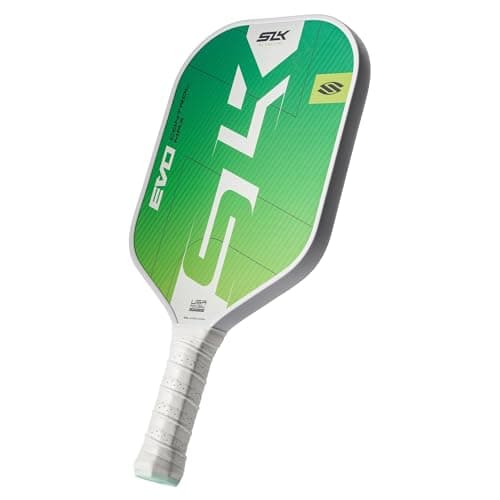 Selkirk SLK Evo Control US-made at the top end and the best customer support in the category; SLK is the affordable tier. | Best for warranty and support: Selkirk | 4.5/5 | $75.00Amazon |
| 03 | 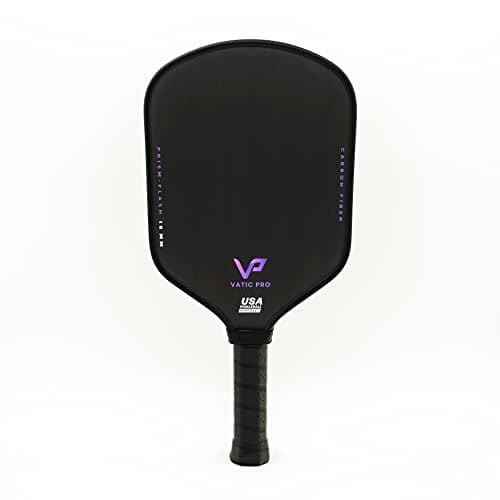 Vatic Pro Prism Flash 16mm Direct-to-consumer pricing with genuinely modern construction - the best dollar-for-dollar brand. | Best value brand: Vatic Pro | 4.6/5 | $99.99Amazon |
| 04 | 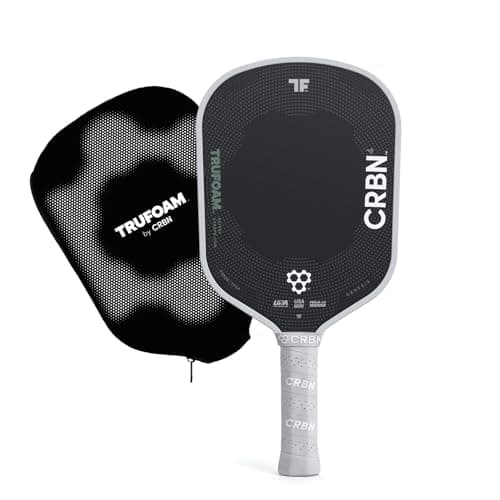 CRBN TruFoam Genesis A specialist premium brand that moved the whole market to foam cores. | Best for advanced players: CRBN | 4.7/5 | $229.99Amazon |
| 05 | 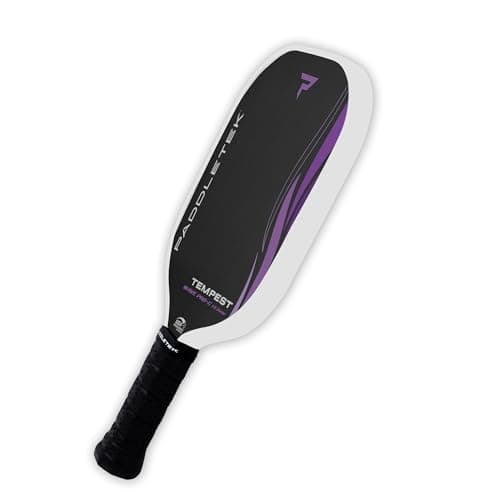 Paddletek Tempest Wave PRO-C The oldest serious name in the sport, and still the best feel for soft-game players. | Best for control players: Paddletek | 4.5/5 | $149.99Amazon |
| 06 | 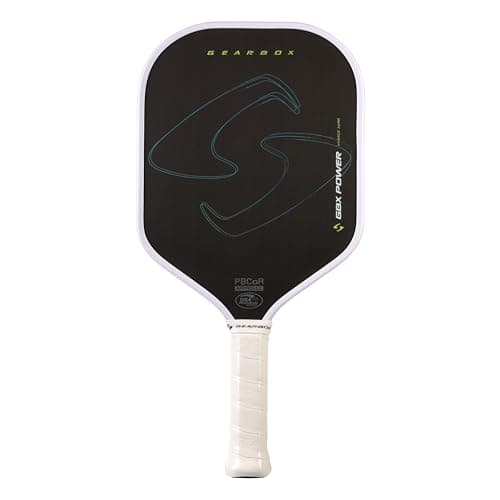 Gearbox GBX Power Hybrid A racquet-sports engineering company that builds paddles nobody else builds. | Best engineering: Gearbox | 4.4/5 | $179.99Amazon |
| 07 | 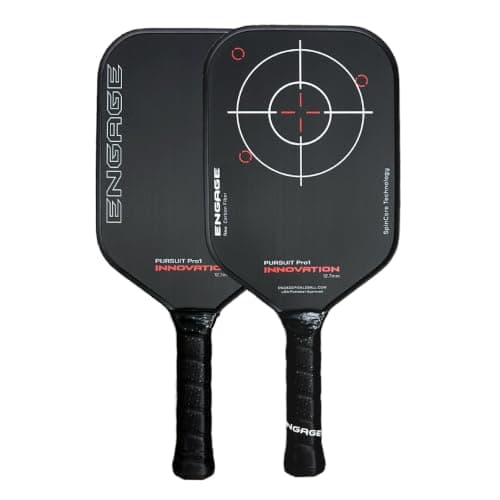 Engage Pursuit Pro1 Thin cores and high-grit faces - the most aggressive mainstream brand. | Best for power: Engage | 4.5/5 | $129.99Amazon |
| 08 | 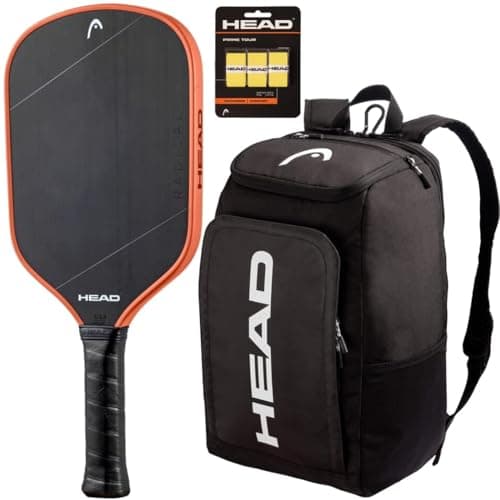 HEAD Radical Tour EX Raw Decades of racquet manufacturing, and usually the cheapest tournament-grade paddle available. | Best legacy racquet brand: HEAD | 4.4/5 | $124.95Amazon |
| 09 | 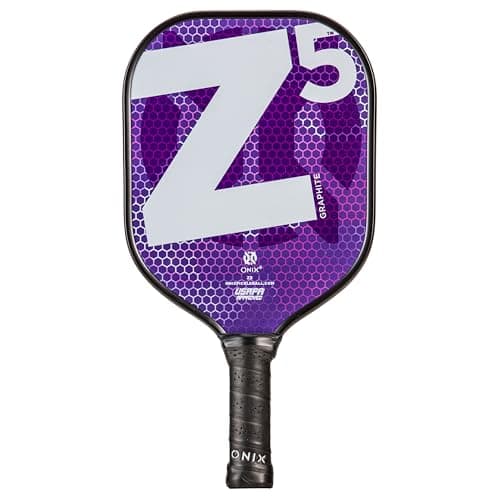 Onix Graphite Z5 The brand that put pickleball in big-box stores, and the most forgiving classic face. | Best for beginners: Onix | 4.3/5 | $69.95Amazon |
| 10 | 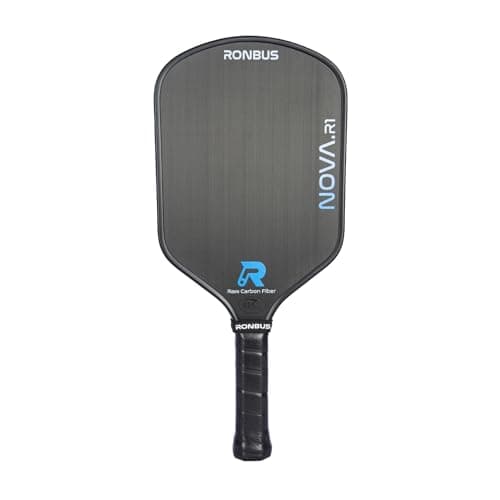 Ronbus R1.16 Nova Thermoformed T700 construction at well under $100 - the clearest spec-per-dollar in the sport. | Best budget challenger: Ronbus | 4.4/5 | $79.99Amazon |
#ad · Live prices from Amazon as of October 5, 2026; where we have no verified live price we show none. We may earn a commission — see our affiliate disclosure.
The short answer
The best pickleball paddle brand overall is JOOLA: it has the deepest range at every price, the Perseus and Hyperion families are the most-copied designs in the sport, and the Perseus 16mm CASis the paddle I recommend more often than any other. But "best brand" is the wrong question for most buyers, because brands are good at different things.
Want the best support if something goes wrong? Selkirk. Best paddle per dollar? Vatic Pro. Playing at 4.5-plus? CRBN. Soft-game specialist? Paddletek. Want something nobody else builds? Gearbox. Want to hit it hard? Engage. Buying your first paddle? Onix. Buying on the tightest sensible budget? Ronbus.
Does brand actually matter?
Less than the industry would like you to think, and more than the cynics say. Two paddles with the same core thickness, the same face material and the same shape will play very similarly whichever logo is on them — and that is why direct-to-consumer brands have been able to undercut the majors so badly. If you only read one page on this site before buying, read how to choose a pickleball paddle, which is organized around specifications rather than names.
Brand does decide four real things, though.
Warranty and replacement. Paddles crack and delaminate. A brand with a staffed support desk and a stated warranty period is worth money the day that happens, and a direct-import brand with no US presence is not.
Certification maintenance.Approval lists change, and established brands re-certify models and publish the paperwork. Small brands sometimes do not — see USA Pickleball approval.
Consistency between units. Thermoformed paddles vary in static weight from unit to unit. Established manufacturers hold tighter tolerances, which matters if you add lead tape or own two of the same paddle.
Resale. A used JOOLA or Selkirk sells. A used paddle from a brand nobody recognizes does not.
At a glance
| Brand | Known for | Price range | Best for | Paddle to buy |
|---|---|---|---|---|
| JOOLA | Depth of range, CAS faces | $40 - $280 | Almost everyone | Perseus 16mm CAS |
| Selkirk | Support, warranty, US manufacturing | $75 - $250 | Buyers who want a safety net | SLK Evo Control |
| Vatic Pro | Direct-to-consumer value | $80 - $120 | Value per spec | Prism Flash 16mm |
| CRBN | Foam cores, premium only | $180 - $300 | 4.5+ players | TruFoam Genesis |
| Paddletek | Control feel, long history | $70 - $250 | Soft-game players | Tempest Wave PRO-C |
| Gearbox | Unique engineering, Gen-3 cores | $85 - $200 | Consistency seekers | GBX Power Hybrid |
| Engage | Thin cores, high grit | $100 - $250 | Power players | Pursuit Pro1 |
| HEAD | Legacy racquet manufacturing | $45 - $150 | Value flagships | Radical Tour EX Raw |
| Onix | Availability, forgiving classics | $30 - $120 | Beginners | Graphite Z5 |
| Ronbus | Spec per dollar | $70 - $110 | Tight budgets | R1.16 Nova |
JOOLA - best brand overall
Who it is for: almost any player, at almost any budget.
JOOLA came to pickleball from table tennis, where it has been a major manufacturer for decades, and it brought a surface-technology mindset with it. Carbon Abrasion Surface, the Aero Curve hybrid shape and the Propulsion Core are all JOOLA ideas that the rest of the market has chased. The range runs from the sub-$50 Journey to UPA-A-certified tour paddles, which means there is a sensible JOOLA at nearly every price point.
| Signature tech | Charged / Carbon Abrasion Surface (CAS) |
|---|---|
| Shapes | Elongated (Perseus, Hyperion) and hybrid Aero Curve |
| Price range | About $40 to $280 |
| Certification | USA Pickleball across the range; UPA-A on tour models |
| Best for | Players who want the deepest choice and strongest resale |
What I like: the breadth, and the fact that JOOLA's mid-price paddles get the same face technology as the flagships rather than a cheaper substitute. What gives me pause: the naming is genuinely confusing — Perseus, Perseus Pro IV, Perseus 16mm CAS and Scorpeus are different paddles at different prices — and the release cadence is fast enough that this year's flagship is next year's discount. Our best JOOLA paddles roundup untangles the lineup.
Selkirk - best support and warranty
Who it is for: the buyer who wants someone to answer the phone if a paddle fails.
Selkirk is the most established pickleball-native brand in the US, it manufactures its premium lines domestically, and its customer support is the best in the category — which matters more than it sounds in a sport where cores crack. The SLK sub-line is how Selkirk competes under $100, and the SLK Evo Control is the one to buy: carbon face, control-tuned polymer core, widebody Max shape.
| Signature lines | LUXX and Vanguard (premium), SLK (value) |
|---|---|
| Shapes | Invikta (elongated), Epic (standard), Max (widebody) |
| Price range | About $75 to $250 |
| Notable | US manufacturing on premium lines; strong warranty support |
| Best for | Buyers who want a safety net behind the purchase |
What I like: you are buying a company as well as a paddle, and the shape naming is the clearest in the sport once you learn it. What gives me pause: Selkirk is rarely the best value at any given price, and the premium lines are priced above comparable specs from Vatic Pro or Ronbus. Our best Selkirk paddles page covers the full range, and Selkirk vs JOOLA is the head-to-head.
Vatic Pro - best value
Who it is for: the player who reads spec sheets and does not care about logos.
Vatic Pro is the clearest example of what direct-to-consumer pricing did to this market. The Prism Flash gives you raw T700 carbon over a 16mm core with foam-injected walls, plus a cover, for about a third of a flagship's price. On construction alone it belongs in the same paragraph as paddles costing three times as much, and it is the most-recommended paddle on this site as a result.
| Signature tech | Raw T700 carbon, foam-injected perimeter walls |
|---|---|
| Shapes | Elongated (Prism Flash) and hybrid |
| Price range | About $80 to $120 |
| Extras | Paddle cover usually included |
| Best for | The best construction per dollar in pickleball |
What I like: it is genuinely the best value in the sport, and it is honest about what it is rather than inventing technology names. What gives me pause: support and warranty are thinner than Selkirk's, the range is narrow, and resale is weaker because the paddles are cheap new. Full detail in the Prism Flash review and Vatic Pro vs Ronbus.
CRBN - best for advanced players
Who it is for: 4.5-plus players who shape shots deliberately.
CRBN does one thing: premium paddles for strong players. It has no beginner range and makes no attempt at one. The TruFoam Genesis replaced the honeycomb core with 100% foam, which is the single biggest construction change in recent paddle history and is now being copied across the industry.
| Signature tech | 100% foam core (TruFoam) |
|---|---|
| Shapes | Hybrid AeroCurve and elongated |
| Price range | About $180 to $300 |
| Range | Premium only - no entry tier |
| Best for | 4.5+ players who want modern power with a big sweet spot |
What I like: a specialist brand that led rather than followed, and the forgiveness-to-power ratio on the Genesis is the best I have used. What gives me pause: the price is out of proportion to what a sub-4.0 player can convert into points, and full-foam cores are new enough that long-term durability is unproven. See the TruFoam Genesis review and best paddles for advanced players.
Paddletek - best for control players
Who it is for: the soft-game player who cares about feel above everything.
Paddletek is one of the oldest serious manufacturers in the sport, and its reputation is built on feel rather than output. The Tempest Wave PRO-C pairs a PT-700 unidirectional carbon face with a 14.3mm Tempest polymer core and torsional weighting, and it is the paddle to hand someone who says modern paddles feel like boards.
| Signature lines | Tempest (control) and Bantam (power) |
|---|---|
| Signature tech | PT-700 carbon, torsional weighting, High Tack grip |
| Price range | About $70 to $250 |
| Certification | USA Pickleball approved across the range |
| Best for | Control players who live in the soft game |
What I like: the most consistent feel in the category, and the stock grip is good enough that you do not need to re-wrap it. What gives me pause: Paddletek has been slower than JOOLA and CRBN to adopt foam perimeters and thermoformed unibody builds, so the power ceiling is lower than the spec-chasing brands; and the Bantam and Tempest naming overlaps confusingly across generations. Our best Paddletek paddles page sorts the lineup, and JOOLA vs Paddletek is the head-to-head.
Gearbox - best engineering
Who it is for: the player who wants predictability over peak output.
Gearbox came from racquetball, where it built solid-core racquets, and it still refuses to build paddles the way everybody else does. The GBX line uses a Gen-3 suspended honeycomb core and unidirectional carbon, and the result is unusually flat response across the whole face — fewer great shots, far fewer terrible ones.
| Signature tech | Gen-3 suspended core, unidirectional carbon layup |
|---|---|
| Shapes | Hybrid and elongated, long 5.5 in handles |
| Price range | About $85 to $200 |
| Heritage | Racquetball manufacturing |
| Best for | Consistency, and two-handed backhands |
What I like: a genuine engineering point of view instead of a marketing one, and the long handles suit tennis converts. What gives me pause: the Gen-3 line is new, so long-term durability data does not exist yet, and Gearbox's own spec sheets are less complete than its competitors' — our best Gearbox paddles page documents a model whose approval line we could not verify, which is exactly the kind of thing that should be easier to check.
Engage - best for power
Who it is for: the aggressive player who wants the ball to leave fast.
Engage builds the most aggressive mainstream paddles in pickleball. The Pursuit Pro1 uses a thin 12.7mm core, which is stiffer and launches harder than the 16mm cores most brands have standardized on, under a high-grit raw carbon face with a long dwell characteristic.
| Signature tech | Thin cores, high-grit raw carbon, extended dwell |
|---|---|
| Shapes | Elongated |
| Price range | About $100 to $250 |
| Character | Power and spin first |
| Best for | Aggressive players who bang and spin |
What I like: a clear identity, and the rare combination of power and spin in the same paddle. What gives me pause: thin cores are the least forgiving construction in the sport, so Engage paddles make developing players worse before they make them better, and the range has almost nothing for a control player. See the Pursuit Pro1 review and best paddles for power.
HEAD - best legacy racquet brand
Who it is for: the value buyer who wants tournament construction without paying for pickleball fashion.
HEAD has been making tennis racquets since 1950, and it applies that manufacturing to pickleball without much ceremony. The Radical Tour EX Raw is a genuine tournament paddle at a price the pickleball-native brands do not match, and the entry-level Radical Elite is one of the safest first paddles you can buy.
| Signature lines | Radical (Tour EX Raw, Elite), Extreme |
|---|---|
| Materials | Raw carbon at the top, fiberglass at entry level |
| Price range | About $45 to $150 |
| Heritage | Racquet manufacturing since 1950 |
| Best for | Value at both ends of the range |
What I like: the price-to-construction ratio at the top of the range is the best here, and HEAD's entry paddles are better made than most paddles at the same price. What gives me pause: HEAD iterates slowly, so its paddles trail the spec race by a generation, and resale is weak because competitive players do not chase the brand. See the Radical Tour EX Raw review.
Onix - best for beginners
Who it is for: first-time buyers and anyone who wants a forgiving face.
Onix is how most Americans first encountered a pickleball paddle, because it is the brand that got into big-box sporting goods. The Graphite Z5 is its enduring product: a widebody graphite face over a Nomex core with a cushioned comfort grip, and still the most forgiving paddle in this roundup.
| Signature product | Graphite Z5 widebody |
|---|---|
| Materials | Graphite and composite faces, Nomex and polymer cores |
| Price range | About $30 to $120 |
| Availability | The widest retail distribution in the sport |
| Best for | Beginners who want maximum forgiveness |
What I like: availability, price, and a genuinely large usable face. What gives me pause: Nomex cores are loud and firm by modern standards, Onix has not kept pace on construction, and nothing in the range will hold an improving player past about 3.5. Our best Onix paddles page covers the current lineup and the Graphite Z5 review goes deeper.
Ronbus - best budget challenger
Who it is for: the buyer who wants modern construction for under $100 and will accept a smaller brand to get it.
Ronbus is the other half of the direct-to-consumer story. The R1.16 Nova is a unibody thermoformed paddle with a raw Toray T700 face, a foam perimeter and an edge grid, at a price that was flagship-only two years ago. On spec per dollar it is the hardest paddle on this page to argue with.
| Signature tech | Unibody thermoformed, foam perimeter, T700 face |
|---|---|
| Shapes | Elongated with edge grid |
| Price range | About $70 to $110 |
| Certification | USA Pickleball approved |
| Best for | A first real paddle on a budget |
What I like: it is the cheapest honestly-modern paddle in this roundup, and the construction claims hold up. What gives me pause: the smallest support footprint of any brand here, a very narrow range, and thermoformed paddles from smaller makers vary more unit to unit. See the R1.16 Nova review and Vatic Pro vs Ronbus.
The bottom line
If you want one answer: buy JOOLA, and buy the Perseus 16mm CAS. If you want the right answer for you, pick the brand whose strength matches what you are worried about — support (Selkirk), money (Vatic Pro or Ronbus), feel (Paddletek), power (Engage), consistency (Gearbox), your first paddle (Onix) or your last one (CRBN). Then check the spec sheet anyway, because that is what you will actually be playing with.
Frequently asked questions
What is the best pickleball paddle brand?
JOOLA, if you want a single answer - it has the deepest range at every price, its Carbon Abrasion Surface and Aero Curve designs are the most copied in the sport, and resale is strong. But brands specialize: Selkirk for support and warranty, Vatic Pro and Ronbus for value, CRBN for advanced players, Paddletek for feel, Engage for power, Onix for beginners.
Are expensive paddle brands actually better?
Partly. Two paddles with the same core thickness, face material and shape play very similarly regardless of brand, which is why direct-to-consumer brands undercut the majors so effectively. What you reliably buy with an established brand is warranty support, maintained certification, tighter unit-to-unit consistency and resale value - not performance you can feel.
Which pickleball paddle brand is best for beginners?
Onix, for availability and forgiveness - the Graphite Z5's widebody face is the easiest in this roundup to make clean contact with, and it is sold almost everywhere. HEAD's Radical Elite is the other safe first paddle. Avoid starting on a premium elongated paddle from CRBN or Engage; the small, high sweet spot makes learning harder, not easier.
What is the best value pickleball paddle brand?
Vatic Pro, with Ronbus very close behind. Both sell direct-to-consumer and both put genuinely modern construction - raw T700 carbon faces, thermoformed unibody builds, foam-injected perimeters - under $120. What you give up is support depth, range breadth and resale value, which is a reasonable trade if you intend to play the paddle until it dies.
Does paddle brand matter for tournament play?
Only through certification. Sanctioned events require the exact model to be on the USA Pickleball approved equipment list (or UPA-A for some pro events), and established brands are more reliable about re-certifying models and publishing the paperwork. Always verify your specific model on the official list before entering an event rather than trusting the brand's reputation.
Sources
- JOOLA - pickleball paddle range and specifications
- Selkirk Sport - paddle lines and warranty terms
- Vatic Pro - Prism Flash specifications
- CRBN Pickleball - TruFoam range
- Paddletek - Tempest and Bantam specifications
- Gearbox Sports - GBX and CX range
- Engage Pickleball - Pursuit range
- HEAD - Radical pickleball range
- Onix Pickleball - Graphite Z5 and current range
- Ronbus - R1.16 Nova specifications
- USA Pickleball - approved equipment list
Keep reading
Upgrading your paddle or gearing up to play?
See how we pick, then dig into the paddle roundups and buying guides — honest picks from someone who actually plays, with no inventory to move.