Paddle Roundup
The Best Quiet Pickleball Paddles in 2026
The pop is why courts get closed. Here is what USA Pickleball's Quiet Category actually certifies, why only one paddle has earned it, and the quietest gear you can genuinely buy today - including the twenty-dollar fix for the paddle you already own.
The short answer
Quick picks
| # | Product | Best for | Score | Price |
|---|---|---|---|---|
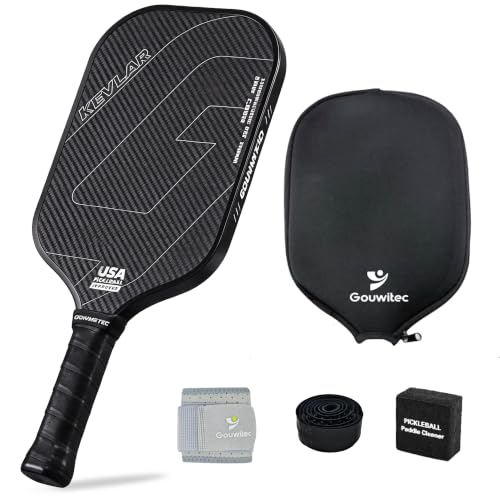
| 01 | Kevlar Pickleball Paddle, 16mm Aramid Face An aramid face is the one material choice that genuinely dulls the strike. The seller calls the feel muted. | Best quiet-leaning paddle | 4.2/5 | $119.99Amazon |
| 02 | 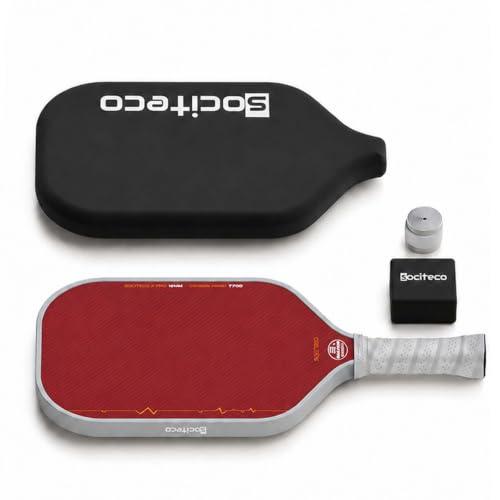 SOCITECO Kevlar Fiber Paddle The same aramid idea from a named seller, at the same money - buy whichever is in stock. | Best aramid alternative | 4.0/5 | $119.90Amazon |
| 03 | 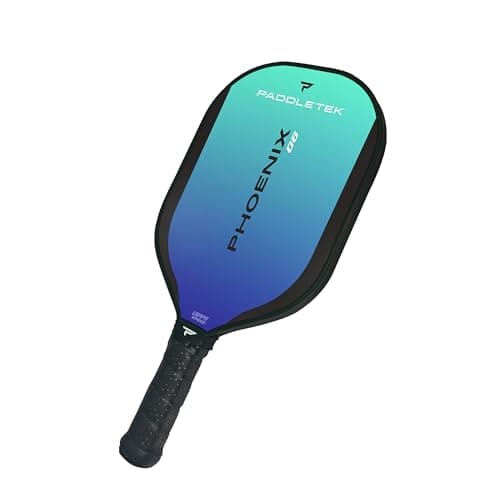 Paddletek Phoenix G6 Polycarbonate over graphite PolyCore - no thermoformed foam walls, no stiff raw carbon, no sharp pop. | Softest-playing paddle we rank | 4.1/5 | $62.99Amazon |
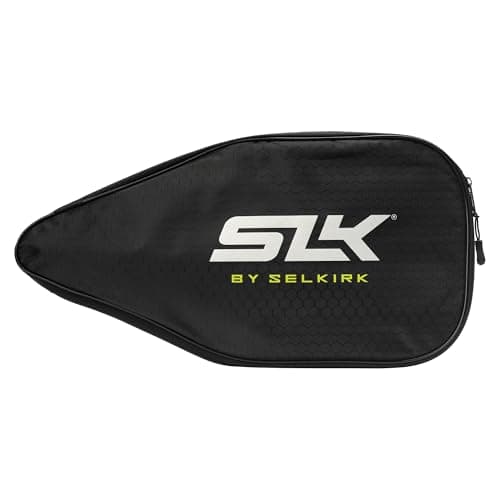
| 04 | 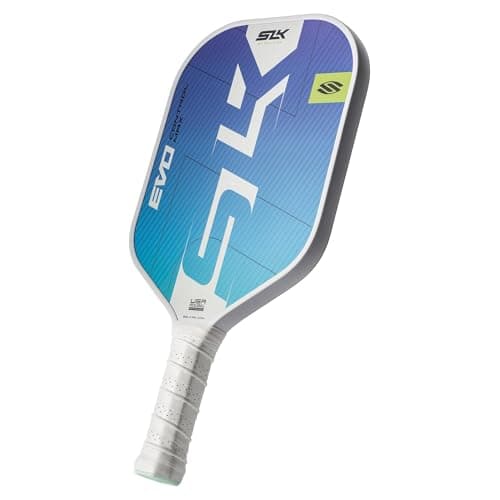 Selkirk SLK Evo Control A thick polymer control core at run-out pricing - the cheapest soft-feel paddle from a real brand. | Budget pick | 4.0/5 | $42.49Amazon |
| 05 | 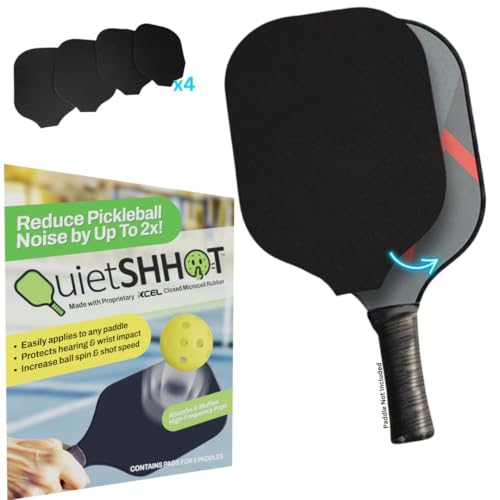 Quietshhot Paddle Sound Reducer Twenty dollars, fits the paddle you own, and it is the only thing here aimed squarely at the noise. | Cheapest real fix | 4.0/5 | $19.95Amazon |
| 06 | 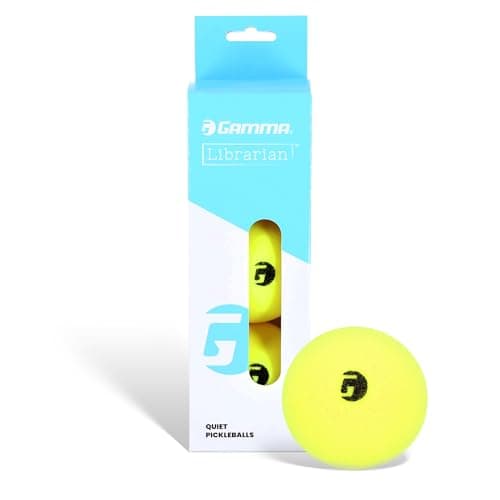 Gamma Librarian Foam Quiet Pickleballs Half the noise is the ball. A foam ball from a real brand removes more decibels than any paddle swap. | Quietest ball | 4.2/5 | $12.99Amazon |
#ad · Live prices from Amazon as of November 22, 2026; where we have no verified live price we show none. We may earn a commission — see our affiliate disclosure.
The verdict, up front: if the goal is a quieter paddle, buy an aramid-faced 16mm. Aramid — the fiber sold as Kevlar — is the one face material choice that genuinely dulls the strike rather than sharpening it, and the listing describes the feel as muted. But I want to be straight with you about the better answer: the two cheapest things on this page remove more noise than any paddle purchase — a twenty-dollar paddle mute that fits the paddle you already own, and foam balls, because roughly half of what your neighbors hear is the ball, not the paddle. The budget paddle pick is the Selkirk SLK Evo Control.
Prices come from our live price layerand carry the date they were checked. We have not measured any of this gear with a sound meter and will not pretend otherwise — what follows is the published certification picture, the construction mechanism, and what is actually buyable.
What USA Pickleball's Quiet Category actually is
USA Pickleball announced the Quiet Category on September 25, 2023, to recognize products that, in its words, "reduce acoustic output during play without negatively impacting performance". The stated aim is to bring down the sport's sound output during recreational play — the thing that gets courts restricted or closed.
Three details are worth having before you shop:
It is not just paddles. USA Pickleball says the category covers paddles, balls, paddle covers and noise mitigation screens. That is a meaningful signal about where the noise comes from, and it is why this page does not stop at paddles.
The target is relative, not a decibel number.USAP's announcement frames the goal for equipment as "50 percent or less of the acoustic footprint of equipment commonly sourced and used in community parks". The announcement says manufacturers get specific guidance and thresholds along with test fixture requirements and procedures — but those thresholds are not published on that page, so any number you see quoted around this standard is coming from somewhere else.
The number you will see quoted. Pickleball Science, a third party rather than USAP, describes the test as a measurement of ball-paddle impacts in an anechoic chamber taken about six feet above the paddle, with quiet paddles needing to measure under 80 dBA below 600 Hz. We report that as their description, not as USAP's published figure. The frequency half is the part most people miss: complaints are driven by a sharp, high-pitched crack that carries, which is why a threshold would be written against a frequency band at all and not just loudness.
What actually makes the pop
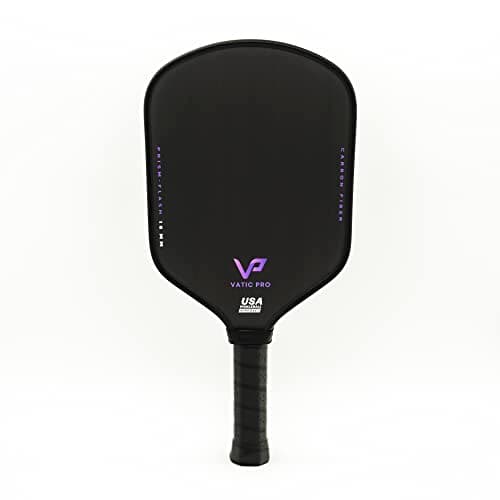
Stiffness, mostly. The sound is two hard, springy objects colliding, and everything that makes a modern paddle fast makes it louder. A thermoformed unibody frame with foam-injected walls is a rigid box; a raw carbon face stretched tight over it is a stiff drum skin. That combination returns energy quickly, which is exactly what you want for pop and precisely what produces the sharp crack. The construction described on best thermoformed paddles and best Gen 3 paddlesis the loud end of the market, and those are good paddles — the trade is real. It is also the construction behind most value flagships, which is one of the reasons people go looking for alternatives to Vatic Pro.
Face material changes the character of the sound.This is where aramid comes in. Aramid fiber is more internally damping than carbon, so it absorbs a little more of the impact instead of returning it as high-frequency ring. Players describe aramid-faced paddles as muted or softer, and sellers market them that way. It is a genuine material difference rather than a sticker — but nobody in this category publishes a measurement, so treat it as a direction, not a decibel claim.
A thicker, softer core dulls it further.A thick polymer honeycomb core with a non-carbon face — the older, cheaper construction — is the quietest conventional paddle you can buy. It is also slower and less grippy, which is why almost nobody sells it as a performance paddle any more. Two picks below are exactly that.
And the ball is about half the problem. A hard plastic outdoor ball is a rigid shell designed to crack off the face. Nothing you do to a paddle changes that. USA Pickleball putting balls inside the Quiet Category is the clue: if you are solving a real noise dispute rather than shopping, the ball is the cheaper and larger lever. Our indoor vs outdoor balls guide covers how different the two already are.
At a glance
The field side by side. Face, core and construction come from each manufacturer or seller listing; no product here publishes a decibel figure, so the last column is the mechanism rather than a measurement. Every row price-checks on the spot.
| Product | Type | Face / material | Core | Why it is quieter | Price |
|---|---|---|---|---|---|
| Kevlar 16mm Aramid Face | Paddle | Aramid (Kevlar) | 16mm, epp foam injected | Aramid damps more than carbon (seller: muted feel) | Check price |
| SOCITECO Kevlar Fiber | Paddle | Aramid Kevlar fiber | Thermoformed unibody, 16mm | Same material argument, named seller | Check price |
| Paddletek Phoenix G6 | Paddle | Polycarbonate | Graphite PolyCore honeycomb | No stiff raw carbon, no foam walls | Check price |
| Selkirk SLK Evo Control | Paddle | T700 CarbonFusion | Thick polymer control core | Control core, no thermoformed frame | Check price |
| Quietshhot Sound Reducer | Accessory | Applied to the face | n/a | Damps the face you already own | Check price |
| Gamma Librarian Foam | Ball | Foam | n/a | A foam ball cannot crack like hard plastic | Check price |
| Franklin Silent Serve Foam | Ball | Foam | n/a | Same, and the cheapest thing on this page | Check price |
#ad· Prices and availability change frequently — each button opens the live listing. We may earn a commission at no extra cost to you; see our affiliate disclosure.
Best quiet-leaning paddle: aramid-faced 16mm
Who it is for: a player who wants a current-generation paddle with the softest-sounding face material available.
The listing is titled for what it is: a 16mm aramid face paddle built as a thermoformed unibody with EPP foam injection, sold on a muted feel and control. Aramid is the interesting part. Where a raw carbon face is prized for being stiff and grippy, aramid damps more of the impact internally, which is why aramid paddles get described as soft or muted by the people who play them. You are buying a material characteristic, not a certification.
| Face | Aramid (sold as Kevlar), 16mm paddle |
|---|---|
| Core | Thermoformed unibody with EPP foam injection |
| Stated character | Muted feel, pro control (seller's description) |
| Decibel rating | None published on the listing |
| Quiet Category | Not certified |
| Weight | Not published on the listing |
What I like: aramid is a real material difference rather than a marketing word, and it is the only face choice on the market that points in the quiet direction without giving up modern construction. What gives me pause: it is a thermoformed, foam-injected frame, which is the loud construction — the face is doing the damping against a body that is working the other way. The seller publishes no weight, no grip circumference and no sound measurement, and this is an unbranded-tier listing with no warranty you would want to rely on. If what you need is certified quiet for a facility rule, this is not that.
Best aramid alternative: SOCITECO Kevlar Fiber Paddle
Who it is for: the same buyer, when the one above is out of stock or the other is cheaper on the day.
The same material argument from a named seller at effectively the same price: aramid Kevlar fiber face, thermoformed unibody, 16mm. In a category where listings appear and vanish, having two interchangeable options is worth more than splitting hairs between them — so buy whichever is actually available and cheaper when you look.
| Face | Aramid Kevlar fiber |
|---|---|
| Core | Thermoformed unibody, 16mm |
| Decibel rating | None published on the listing |
| Quiet Category | Not certified |
| Certification | Not stated on the listing |
| Weight | Not published on the listing |
What I like: a brand name on the listing, which in this corner of Amazon is a small step up, and the same damping material. What gives me pause: everything that gives me pause about the pick above, plus the listing does not state USA Pickleball approval — so if you play sanctioned events, confirm that before buying. Neither of these two is a paddle I would recommend on performance grounds against the field in best paddles under $200; they are here because of the face material.
Softest-playing paddle we rank: Paddletek Phoenix G6
Who it is for: anyone who wants a quieter paddle from a real company with a real warranty, and does not need a carbon face.
This is the quietest-feeling paddle in our registry and it gets there by being old-fashioned: polycarbonate over a graphite PolyCore honeycomb core, in a standard shape, with no thermoformed frame, no foam-injected walls and no stiff raw carbon skin. Every one of those omissions is a thing that makes a paddle louder. It is also built in Niles, Michigan and USA Pickleball approved, which is more than any aramid listing above can say.
| Surface | Polycarbonate |
|---|---|
| Core | Graphite PolyCore honeycomb |
| Shape | Standard |
| Grip | High Tack Performance grip |
| Certification | USA Pickleball approved |
| Decibel rating | None published |
What I like: a soft, dull strike from a brand that will stand behind the paddle, at the lowest price any US-built paddle reaches — it is also our budget pick on best paddles made in the USA. What gives me pause: it is a beginner paddle and it plays like one. Modest power, little spin potential, and a developing player will outgrow it inside a season. Stock on this listing was down to six units at our last check, so the price on the button is the one that counts. The rest of the range is on best Paddletek paddles.
Budget pick: Selkirk SLK Evo Control
Who it is for: the player who wants the dullest strike available for the least money, from a brand with a warranty behind it.
A T700 CarbonFusion face over a thick polymer control core, in Selkirk's value line, currently at run-out pricing. It is a control paddle rather than a power paddle, and it is not a thermoformed unibody — both of which push it toward the quiet end without stepping outside the brands we actually trust.
| Line | Selkirk SLK (value) |
|---|---|
| Face | T700 CarbonFusion |
| Core | Thick polymer control core |
| Character | Control-first |
| Warranty | Selkirk limited lifetime, subject to registration and original-owner terms |
| Decibel rating | None published |
What I like: the cheapest soft-feel paddle here that comes from a company with a support department and a published warranty. What gives me pause: it is still a carbon face, so it is not as dull as the Phoenix G6; it is a discontinued model, so the stock is finite; and "control" is a playing characteristic, not an acoustic claim — Selkirk publishes no sound figure for it and neither do we. There is a full SLK Evo Control review here.
The cheapest real fix: a paddle mute
Who it is for: everyone reading this page who already owns a paddle they like.
This is the recommendation that costs us the most and helps you the most, so here it is plainly: before you replace a paddle, spend twenty dollars on a mute. The Quietshhot is a sound reducer applied to the paddle face, sold in sizes to suit standard and widebody outlines, and it is the only product on this page whose entire purpose is the noise rather than the playing feel. USA Pickleball includes paddle covers in the Quiet Category precisely because this class of product works on the right variable.
| Type | Paddle-face sound reducer (mute) |
|---|---|
| Fit | Sold in paddle-size variants, including a 10.4 x 7.8in widebody size |
| Stated effect | Reduces paddle noise; seller also claims added spin |
| Decibel reduction | Not published on the listing |
| Quiet Category | Not certified |
| Works with | A paddle you already own |
What I like: it is cheap, it is reversible, and it is aimed at the actual problem. If your club or your neighbor has complained, this is the first thing to try and the fastest thing to try. What gives me pause: the listing publishes no decibel reduction, so you are buying on the category logic rather than a number; anything applied to the face changes how the paddle plays and may affect whether it conforms to equipment rules for sanctioned play, so do not take one to a tournament without checking; and the spin claim is the seller's, not ours. Check the size against your paddle — the outlines are explained in paddle shapes.
The other half: quiet balls
Who it is for: anyone solving a real noise complaint, playing against a wall or garage door, or trying to keep a driveway game from annoying the street.
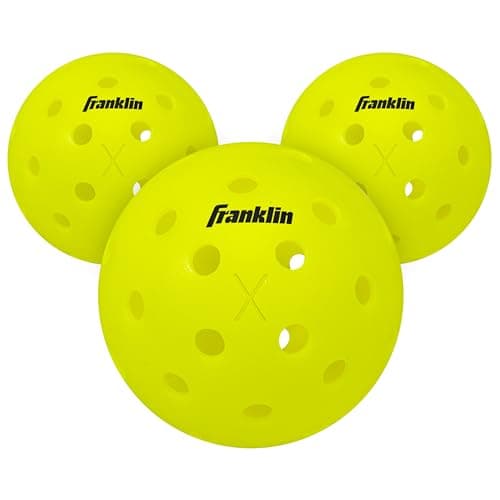
A hard outdoor ball is engineered to be rigid so it flies true, and rigidity is noise. Swap it for foam and the crack largely disappears, because a foam ball physically cannot do what a hard plastic shell does on impact. Gamma's Librarian is the pick: a real brand, foam, sold as a low-noise practice ball with a true bounce on any surface. Franklin's Silent Serve is the same idea for less, and Franklin makes the official ball of USA Pickleball, so it is not a random seller.
| Gamma Librarian | Foam quiet pickleball, low-noise practice ball, stated true bounce on any surface |
|---|---|
| Franklin Silent Serve | Foam, quiet and soft, indoor and outdoor, official size |
| Use case | Practice, wall drills, driveway and indoor play |
| Tournament legality | These are practice balls, not approved tournament balls |
| Decibel reduction | Not published on either listing |
What I like: it is the biggest single reduction available, it costs less than a tube of real balls, and the brands are credible. What gives me pause, and it is a real limitation: a foam ball does not play like a pickleball.It is slower, it carries differently in wind, and it will not prepare you for a hard ball on a real court. These are for practice and for keeping the peace, not for a competitive session — for that, the field is on best pickleball balls and best practice balls.
What a quieter paddle will not fix
A dispute with neighbors or a city.If courts near you are under threat, the lever is not six players' paddles. USA Pickleball includes noise mitigation screens in the Quiet Category because barriers at the fence line are the intervention that addresses a property boundary, and we do not sell those. Play hours and court siting do more than equipment. Bringing a box of foam balls and a set of mutes to a community meeting is a genuinely good faith gesture; claiming a paddle swap solved the problem is not.
Indoor echo. A gym is loud because of the room, not the paddle. Soft balls help; the walls decide the rest.
Your own ears. If the issue is that the pop bothers you at close range for hours, that is a hearing-protection question, not a paddle question, and inexpensive high-fidelity earplugs solve it better than any purchase here.
The bottom line
If you want a quieter paddle, buy an aramid-faced 16mm, or the Paddletek Phoenix G6 if you would rather have a real brand and a warranty than a modern face. The SLK Evo Control is the budget pick. But if you want to actually reduce the noise, spend twenty dollars on the Quietshhot mute and a few more on foam balls, keep the paddle you like, and save the hundred dollars.
And if you need certified quiet because a facility requires it, the only certified paddle is the OWL, you will have to buy it direct, and you should confirm its current status on USA Pickleball's equipment list rather than taking anyone's article for it. More on what approval actually means in USA Pickleball approved, explained.
Frequently asked questions
What is the quietest pickleball paddle you can buy?
The only paddle certified in USA Pickleball's Quiet Category is the OWL by OWL Sport, which is sold direct rather than on Amazon. Among paddles you can buy on Amazon, the quiet-leaning options are aramid-faced paddles, because aramid damps impact more than carbon does, and older-style paddles with a polycarbonate face over a thick polymer honeycomb core, such as the Paddletek Phoenix G6 - no thermoformed frame, no foam-injected walls and no stiff raw carbon skin, which are the three things that make a modern paddle loud. None of them publishes a decibel figure.
What is the USA Pickleball Quiet Category?
A product category USA Pickleball announced on September 25, 2023 to recognize products that reduce acoustic output during play without negatively impacting performance. It covers paddles, balls, paddle covers and noise mitigation screens. USAP frames the equipment goal as 50 percent or less of the acoustic footprint of equipment commonly used in community parks, and says manufacturers receive specific thresholds and test procedures - those thresholds are not published in the announcement itself. Pickleball Science, a third party, describes the test as anechoic-chamber measurement of ball-paddle impacts about six feet above the paddle with quiet paddles needing to measure under 80 dBA below 600 Hz.
Do paddle mutes or sound reducers actually work?
They address the right variable, which is more than most paddle marketing does - USA Pickleball includes paddle covers in its own Quiet Category. A face-applied mute costs about twenty dollars, fits a paddle you already own and is reversible, which makes it the cheapest thing to try. Two caveats: no listing we checked publishes a decibel reduction, so you are buying on the mechanism rather than a measured number, and anything applied to the paddle face changes how it plays and may affect conformance for sanctioned play, so check before using one in a tournament.
Are quiet pickleball balls allowed in tournaments?
No. Foam quiet balls such as the Gamma Librarian and Franklin Silent Serve are practice balls, not approved tournament balls, and they do not play like a hard outdoor ball - they are slower and behave differently in wind. Use them for wall drills, driveway games, indoor sessions and anywhere noise is the constraint. For competitive play you want an approved hard ball.
Will a quieter paddle stop neighbors complaining about pickleball noise?
On its own, usually not. The ball contributes roughly as much of the sound as the paddle, which is why USA Pickleball's Quiet Category covers balls and noise mitigation screens as well as paddles. The interventions that address a property boundary are barriers at the fence line, court siting and play hours. Foam balls plus paddle mutes are the cheapest meaningful equipment step and a reasonable good-faith gesture, but do not promise a community that a paddle swap fixed it.
Sources
- USA Pickleball - announcement of the Quiet Category (September 25, 2023): purpose, the four product types, the 50-percent acoustic-footprint target, and manufacturer guidance
- USA Pickleball - announcement of its first certified quiet product, the OWL by OWL Sport
- Pickleball Science - quiet-play paddle review (third-party description of the anechoic-chamber test and the under-80 dBA below 600 Hz figure)
- Axios - reporting that the OWL was approved for recreational use rather than tournament play
- Pickleball.com - reporting on how the OWL paddle's USAP approval was handled
- USA Pickleball - equipment standards and approved equipment list
- Amazon listings for each product above - face, core, stated character, size variants, price and stock, checked 2026-11-17
Keep reading
Upgrading your paddle or gearing up to play?
See how we pick, then dig into the paddle roundups and buying guides — honest picks from someone who actually plays, with no inventory to move.