Shoe Roundup
The Best Indoor Pickleball Shoes in 2026
Indoor courts need a different outsole than outdoor concrete does, and almost nothing sold as a “pickleball shoe” is built for wood. These are the six shoes worth buying for indoor play - three genuine indoor court shoes, and three hard-court shoes that work.
The short answer
Quick picks
| # | Product | Best for | Score | Price |
|---|---|---|---|---|
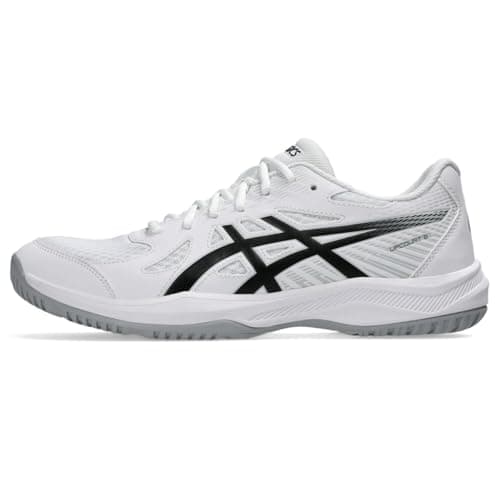
| 01 | ASICS Upcourt 6 A true indoor court shoe with a gum-style non-marking outsole, for less than seventy dollars. | Best indoor shoe overall | 4.5/5 | $64.95Amazon |
| 02 | 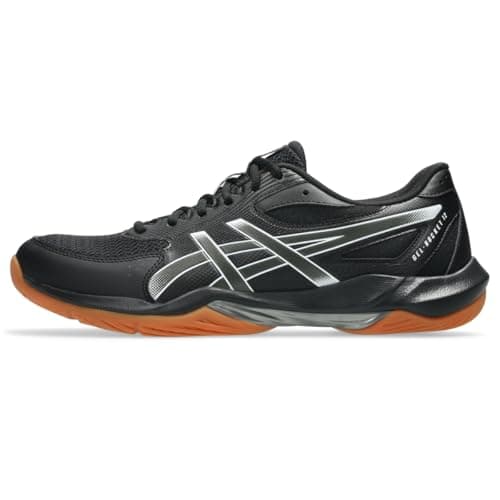 ASICS Gel-Rocket 12 The same indoor outsole with GEL heel cushioning and a Trusstic midfoot shank. | Best cushioned indoor shoe | 4.3/5 | $79.95Amazon |
| 03 | 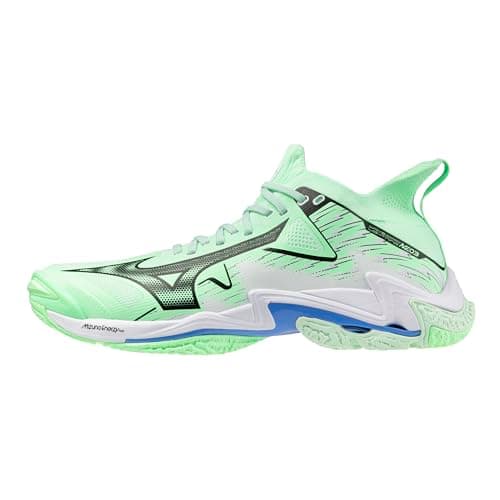 Mizuno Wave Lightning Neo 3 A full-length Wave plate and XG rubber outsole - the best indoor traction you can buy. | Best premium indoor shoe | 4.4/5 | $144.95Amazon |
| 04 | 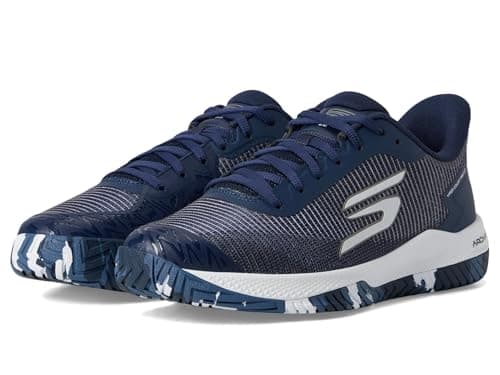 Skechers Viper Court Pro 2.0 The most comfortable pickleball shoe made, with a court outsole that is fine on sport tile. | Best pickleball-specific pick | 4.2/5 | $103.99Amazon |
| 05 | 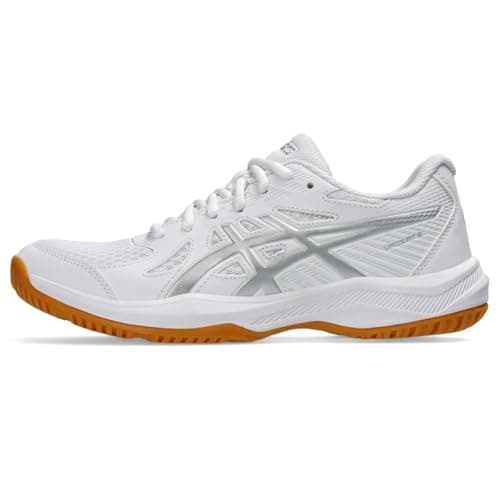 ASICS Upcourt 6 (Women's) The same indoor shoe on a women's last, at the same price. | Best indoor shoe for women | 4.5/5 | $64.95Amazon |
| 06 | 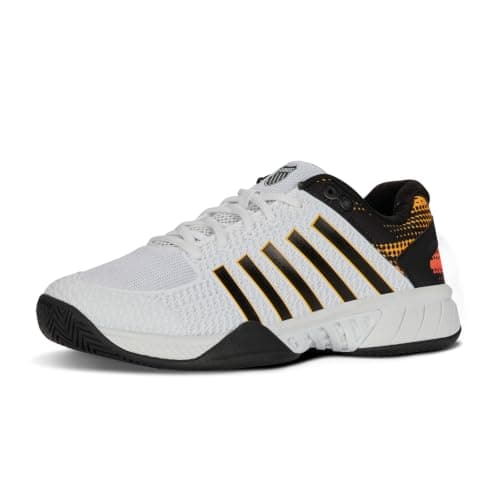 K-Swiss Express Light A hard-court outsole that survives outdoors and grips adequately indoors - one shoe for both. | Best if you play indoors and out | 4.1/5 | $79.94Amazon |
#ad · Live prices from Amazon as of October 13, 2026; where we have no verified live price we show none. We may earn a commission — see our affiliate disclosure.
What actually changes indoors
If you only read one line of this page: the ASICS Upcourt 6 is the indoor pickleball shoe most players should buy, because it is a real indoor court shoe with a gum-style non-marking outsole and it costs less than most hard-court shoes do. Everything below explains why, and when a hard-court shoe is the smarter purchase instead.
Exactly one thing changes when you move pickleball indoors, and it is the one thing almost nobody shops on: the outsole rubber. Outdoor courts are abrasive concrete or asphalt, so outdoor court shoes use a hard herringbone rubber that can survive being dragged across sandpaper several hours a week. Indoor courts are polished wood or sport tile, which is slick, and a hard outsole skates on it. Indoor court shoes use a softer gum rubber that deforms slightly into the floor surface for grip — and that does not leave marks on a gym floor, which is why facilities ask about it.
Run the swap the wrong way and both directions fail, but not equally. A hard outdoor outsole indoors grips adequately and simply feels less planted than it should on hard changes of direction. A soft gum outsole outdoors wears away in weeks. That asymmetry is the whole buying decision: if you play both surfaces and want one pair, buy the outdoor shoe; if you play indoors most weeks, buy a real indoor shoe and get grip you can trust on a push-off.
Everything else people worry about is shared with outdoor play. You still need a low, stable platform rather than a cushioned running-shoe stack; you still need real lateral support, because pickleball is a side-to-side sport and running shoes are built to roll forward; you still want a reinforced toe, because that is where court shoes die. Our how to choose pickleball shoes guide works through the full checklist, and what shoes not to wear covers why the trainers already in your closet are the actual injury risk.
How we picked
Two rules. Every shoe had to have a non-marking court outsole and genuine lateral support— a low, stable platform built for side-to-side loading rather than forward roll. And every shoe had to be in stock on Amazon with a live price when this page was written; the buttons below carry the current number and the date it was captured.
Where a shoe is a true indoor court shoe with a gum-style outsole, the entry says so. Where it is a hard-court shoe that works indoors with slightly less bite, the entry says that instead — because the difference is the reason you are on this page, and blurring it would be the easiest way to make this list look longer than it honestly is.
We have not lab-tested outsole compounds, and shoe fit is more personal than any other gear decision in the sport. Specs here come from manufacturer and retailer listings; the fit notes are judgment, not measurement. Our full method is on how we review.
At a glance
| Shoe | Built for | Outsole | Fit | Best for |
|---|---|---|---|---|
| ASICS Upcourt 6 | Indoor court (volleyball) | Gum-style non-marking indoor rubber | Standard | Indoor, best overall |
| ASICS Gel-Rocket 12 | Indoor court (volleyball, handball) | Non-marking indoor rubber | Standard | Indoor, cushioning |
| Mizuno Wave Lightning Neo 3 | Indoor court (volleyball) | XG rubber, high traction | Unisex sizing | Indoor, premium traction |
| Skechers Viper Court Pro 2.0 | Pickleball | Court outsole with lateral support | Standard | Comfort, sport tile |
| ASICS Upcourt 6 (Women's) | Indoor court (volleyball) | Gum-style non-marking indoor rubber | Women's last | Indoor, women |
| K-Swiss Express Light | Pickleball (hard court) | Durable hard-court outsole, toe drag guard | Standard | Playing indoors and out |
Best indoor pickleball shoe overall: ASICS Upcourt 6
Who it is for: almost anyone who plays indoor pickleball, at the lowest sensible price.
The Upcourt is ASICS' indoor court shoe — sold for volleyball, which is simply the biggest indoor court sport — and its gum-style non-marking outsoleis the right tool for wood and sport tile. Its comfort comes from geometry rather than from technology: a low, wide, lateral-stable platform from a brand whose court fit reputation is as good as anyone's. It is the cheapest shoe on this page and the one I would buy first.
| Type | Indoor court (volleyball) |
|---|---|
| Outsole | Gum-style non-marking indoor rubber |
| Platform | Low, wide, lateral-stable |
| Fit | Standard; women's version also sold |
| Best for | Indoor pickleball on wood or sport tile |
What I like: ASICS fit at a budget price, and genuinely better grip indoors than a hard-court outsole gives you. If your club plays on a gym floor, this removes the one real problem with wearing an outdoor shoe inside. It is also the comfort-per-dollar pick on most comfortable pickleball shoes and best budget pickleball shoes.
What gives me pause: the cushioning is basic compared with everything else here, so if your feet ache underneath after playing, the Gel-Rocket or the Skechers below are better answers. A gum outsole also wears quickly on outdoor concrete — this is an indoor shoe, and buying it for outdoor play is a mistake. There is no toe drag guard of the kind K-Swiss fits, so sliding players will scuff the toe.
Best cushioned indoor shoe: ASICS Gel-Rocket 12
Who it is for: the indoor player whose feet or knees complain after two hours on a hard gym floor.
The Gel-Rocket sits one step above the Upcourt in the same indoor range, and the step is cushioning and midfoot structure. ASICS fits GEL technology in the heel to absorb landing shock, and a Trusstic System shank through the midfoot to resist twisting during quick direction changes. The upper is synthetic with mesh panels for ventilation, and the outsole is the same non-marking indoor rubber built for volleyball and handball courts.
| Type | Indoor court (volleyball, handball) |
|---|---|
| Outsole | Non-marking indoor rubber |
| Cushioning | GEL technology in the heel |
| Midfoot | Trusstic System torsion shank |
| Upper | Synthetic with mesh ventilation panels |
| Best for | Indoor players who want more underfoot cushioning |
What I like: it keeps everything that makes the Upcourt right for indoor play and adds the heel cushioning that the cheaper shoe does without. Heel GEL matters more in pickleball than people expect, because so much of the sport is hard stops rather than steady running. The midfoot shank is the other quiet win — it is the piece that stops a soft shoe from folding on a hard lateral push.
What gives me pause: ASICS markets this shoe in grams rather than ounces and the figure varies by size, so I will not quote a single weight for it; it is a more substantial shoe than the Upcourt, not a lighter one. It is also fifteen dollars more for a difference you will only feel in the second hour, and like every indoor shoe here the gum-style outsole is the wrong purchase if you mostly play outdoors.
Best premium indoor shoe: Mizuno Wave Lightning Neo 3
Who it is for: the indoor player who wants the most traction and the most stability available, and will pay double for it.
Mizuno's volleyball line is the reference point for indoor court shoes, and the Wave Lightning Neo 3 is the clearest example of why. A full-length Wave plate runs through the midsole to disperse impact across a wider area and hold the platform stable under a hard landing, with MIZUNO ENERZY NXT cushioning and D-Flex Grooves around it. The XG rubber outsole is the high-traction compound, and the high-cut knit upper wraps the ankle without strapping it down. A Dura Shield panel protects the toe from floor friction.
| Type | Indoor court (volleyball) |
|---|---|
| Outsole | XG rubber, high-traction indoor compound |
| Midsole | MIZUNO ENERZY NXT with full-length Wave plate |
| Upper | High-cut knit with ankle wrap |
| Toe | Dura Shield friction protection |
| Best for | Indoor players who prioritize grip and stability |
What I like: the grip. On a polished floor an XG outsole is the difference between pushing off and hoping, and the Wave plate under it means that grip does not come with a wobbly ride. The toe shield is the detail that makes it last, which matters at this price.
What gives me pause: it is more than twice the Upcourt and most recreational players will not use what they are paying for. Mizuno lists a weight for the earlier Wave Lightning Neo but not clearly for the Neo 3, so I am not quoting an ounce figure. Amazon carries these per size and per colorway with thin stock — the listing we verified showed only a handful of pairs — so check that your size is actually available before you plan around it. The high-cut knit collar is also a preference, not an upgrade: some players find it restrictive.
Best pickleball-specific pick: Skechers Viper Court Pro 2.0
Who it is for: the indoor player who wants a shoe designed for this sport, and whose feet ache underneath after playing.
Skechers is not a brand with court-sport heritage, and it does not matter, because the Viper Court Pro 2.0 is the most comfortable pickleball-specific shoe on sale. The Arch Fit insole is a genuinely contoured footbed rather than a flat foam sheet, so it supports the arch instead of just padding the sole, and the midsole underneath it is properly cushioned. The outsole is a real court outsole with lateral support, so the comfort is not bought at the cost of safety.
| Type | Pickleball-specific court shoe |
|---|---|
| Insole | Skechers Arch Fit contoured footbed |
| Midsole | Cushioned |
| Outsole | Court outsole with lateral support |
| Best for | Comfort-first players, indoor and outdoor |
What I like: on sport tile it is plenty, and it is the one shoe here you can wear to an outdoor session the same week without ruining it. For a player whose complaint is sore feet rather than slipping, this solves the actual problem. It is the comfort pick on most comfortable pickleball shoes and best pickleball shoes, and there is a full Viper Court Pro review.
What gives me pause: this is not a gum-outsole indoor shoe, and on polished wood you will notice slightly less bite than the ASICS or the Mizuno give you. It runs a little warm over a long session, and it is heavier than a minimalist court shoe. Stock on the colorway and size we verified was down to a couple of pairs, which is normal for Amazon shoe listings.
Best indoor shoe for women: ASICS Upcourt 6 (Women's)
Who it is for: women who play indoors and want the right outsole on a last that actually fits.
This is the same shoe as the overall pick, built on a women's last: narrower through the heel and midfoot, with the same gum-style non-marking indoor outsoleand the same low, wide, lateral-stable platform. It is sold at the same price, which is not always true of women's court shoes.
| Type | Indoor court (volleyball) |
|---|---|
| Outsole | Gum-style non-marking indoor rubber |
| Fit | Women's last |
| Platform | Low, wide, lateral-stable |
| Best for | Women playing indoor pickleball |
What I like: a women's last is a real difference rather than a colorway, and heel hold is where most women report problems in unisex court shoes. Everything good about the overall pick applies here. See also best women's pickleball shoes for the wider field, including outdoor options.
What gives me pause: the same basic cushioning as the men's version, so long-session comfort is not its strength. ASICS does not list a women's Gel-Rocket 12 or a women's Wave Lightning Neo 3 on the Amazon listings we verified, so if you want more cushioning on a women's last the Viper Court Pro 2.0women's version covered on best women's shoesis the realistic alternative — with the hard-court outsole trade-off that implies.
Best if you play indoors and out: K-Swiss Express Light
Who it is for: the player whose week includes a gym session and an outdoor session, and who wants one pair of shoes.
The Express Light is a purpose-built pickleball shoe that threads the needle most players want: light and breathable enough that your feet do not cook during a long session, with a stable, supportive platform that stays planted when you push off sideways. The durable toe drag guard is the detail that earns its keep, because the reinforced toe is exactly where pickleball shoes die.
| Type | Pickleball-specific court shoe |
|---|---|
| Upper | Lightweight, breathable |
| Support | Stable lateral support platform |
| Durability | Reinforced toe drag guard |
| Best for | One shoe for indoor and outdoor play |
What I like: it is the right answer to the question most players are actually asking. A hard outsole indoors loses a little grip; a gum outsole outdoors loses the shoe. If your play is split, buy the one that survives the harsh surface. It is the overall pick on best pickleball shoes.
What gives me pause: on polished wood this is the least grippy shoe on the page, and if indoor play is most of your week you are buying the wrong tool to save a second purchase. A featherweight shoe also trades away some of the plush, max-cushion feel — if all-day comfort is the priority, the Skechers is the softer ride.
Buying a court shoe on Amazon
One practical warning that applies to every shoe on this page. Amazon lists court shoes as separate items per size and per colorway, so the price and the stock you see belong to one specific pair, not to the model. The buttons above open the listing we verified; change the size or color on the page and both the price and the availability can move, sometimes by ten or fifteen percent.
Two consequences worth planning around. First, check your size before you commit to a model — indoor court shoes in particular are often stocked thinly, and the Mizuno listing we verified was down to a handful of pairs. Second, if the exact size you need is unavailable or badly priced on one listing, the same shoe frequently sits on another listing at a sane number; it is worth the extra thirty seconds of looking.
On fit itself: buy court shoes for a snug heel and a thumb of room at the toe, and size for the foot you have at the end of a session rather than the start. Our how to choose pickleball shoes guide has a two-minute fit checklist, and shoes for plantar fasciitis covers what to do if your feet need more than a good last.
Three things an indoor shoe will not do
It will not survive outdoors. This is the one genuinely expensive mistake in this category. Soft gum rubber on abrasive concrete disappears in weeks, and once the outsole pattern is gone you have a slick shoe on a surface that punishes slick shoes. Keep an indoor pair for indoors.
It will not fix an ankle problem. A low, stable platform reduces the risk of a roll compared with a cushioned running shoe, and that is a real safety gain. It is not support in the bracing sense, and no court shoe is. If you have had repeat ankle injuries, the shoe is one part of the answer and not the whole of it.
It will not make you quieter.The squeak on a gym floor is the grip working — it is the outsole gripping and releasing, which is exactly what you paid for. If the noise complaint at your venue is about the ball and paddle rather than the shoes, that is a different problem; our practice ball roundup covers the quieter foam options for indoor use.
The bottom line
Buy the ASICS Upcourt 6 if you want one answer: a true indoor court shoe with a gum-style non-marking outsole, at the lowest price on this page. If your feet ache after two hours, the ASICS Gel-Rocket 12 adds heel GEL and a midfoot shank for fifteen dollars more. If you want the best traction money buys on a polished floor and will pay for it, the Mizuno Wave Lightning Neo 3is the shoe — subject to your size being in stock.
Women should buy the Upcourt 6 women's version rather than sizing down in the unisex shoe. If comfort beats grip for you, the Skechers Viper Court Pro 2.0 is the most comfortable pickleball shoe made and perfectly good on sport tile. And if your week genuinely includes both surfaces, buy the K-Swiss Express Lightand accept a little less bite indoors — that is a much better trade than destroying a gum outsole outdoors. Either way, shoes before paddles: the court shoe is the best injury-prevention purchase in the sport, which is why it comes first in our pickleball gear guide.
Frequently asked questions
What are the best indoor pickleball shoes?
The ASICS Upcourt 6, for most players. It is a genuine indoor court shoe with a gum-style non-marking outsole built for wood and sport tile, on a low, wide, lateral-stable platform, and it costs less than most hard-court pickleball shoes. If you want more cushioning, the ASICS Gel-Rocket 12 adds GEL heel cushioning and a Trusstic midfoot shank; if you want maximum traction, the Mizuno Wave Lightning Neo 3 is the premium answer.
What is the difference between indoor and outdoor pickleball shoes?
The outsole rubber. Indoor shoes use soft gum rubber that grips polished wood without marking it, but wears away quickly on abrasive concrete. Outdoor shoes use a harder herringbone rubber that survives outdoor courts and grips adequately indoors with slightly less bite. Everything else - low platform, lateral support, reinforced toe - is the same on both.
Can I wear volleyball shoes for indoor pickleball?
Yes, and often you should. Volleyball, badminton and handball shoes are built for exactly what indoor pickleball asks for: a low, stable platform, real lateral support and a non-marking gum outsole. Three of the six picks on this page are sold as volleyball shoes. There is no technical reason a pickleball logo makes a shoe better on a gym floor.
Can I use outdoor pickleball shoes indoors?
Usually yes. A hard-court outsole grips a wood or sport-tile floor adequately - it just feels less planted on a hard change of direction than a gum outsole does. The reverse is the costly mistake: a soft gum indoor outsole worn on outdoor concrete can wear away in a matter of weeks. If you must own one pair for both surfaces, buy the outdoor shoe.
Do indoor pickleball shoes need to be non-marking?
Most indoor venues require it, and you should assume yours does. A non-marking outsole uses a rubber compound that does not leave scuff lines on a finished wood or tile floor, and it is standard on every indoor court shoe sold for volleyball, badminton or handball. Check with your facility before you turn up in a street or running shoe.
Are running shoes really that bad for indoor pickleball?
Yes, and the floor being smoother does not help. Running shoes are built with a tall, soft, forward-rolling platform and almost no lateral structure, so a hard sideways push loads the shoe in the direction it was never designed to resist - which is how ankles roll. The surface is not the problem; the shoe's geometry is. Our guide on what shoes not to wear for pickleball covers it in detail.
Sources
Keep reading
Upgrading your paddle or gearing up to play?
See how we pick, then dig into the paddle roundups and buying guides — honest picks from someone who actually plays, with no inventory to move.