By Need
The Best Pickleball Shoes for Ankle Support
Ankles do not roll because a shoe is too low. They roll because the platform is narrow, the sole twists, or the upper lets your foot slide sideways off the midsole. Here are the six shoes that fix those three things.
The short answer
Quick picks
| # | Product | Best for | Score | Price |
|---|---|---|---|---|
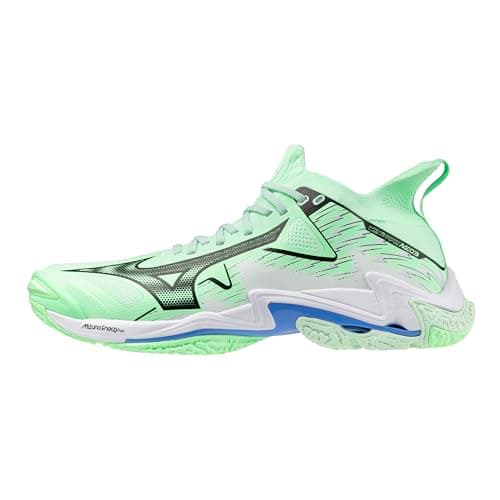
| 01 | Mizuno Wave Lightning Neo 3 The only shoe here with a published high-cut upper and ankle wrap, over a full-length Wave plate. | Best for ankle support overall | 4.5/5 | $144.95Amazon |
| 02 | 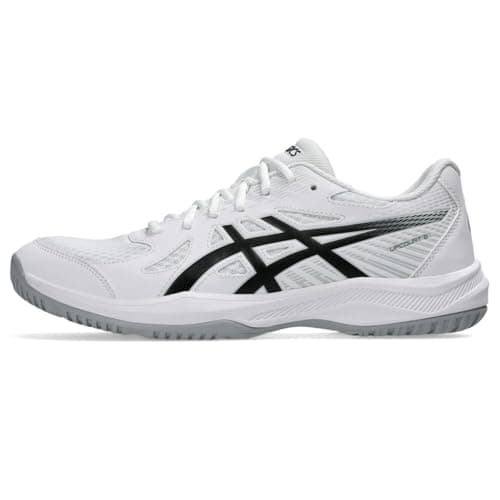 ASICS Upcourt 6 A low, wide, lateral-stable platform for about sixty-five dollars - the cheapest shoe here that does the job. | Budget pick | 4.2/5 | $63.95Amazon |
| 03 | 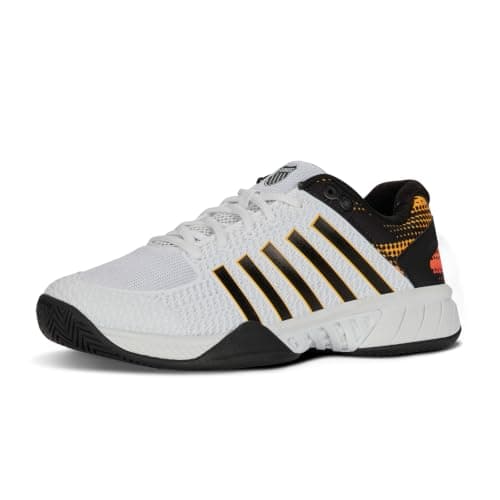 K-Swiss Express Light (Men's) A stable, supportive chassis plus a toe drag guard - the one shoe here for indoor and outdoor. | Best all-round | 4.4/5 | $79.94Amazon |
| 04 | 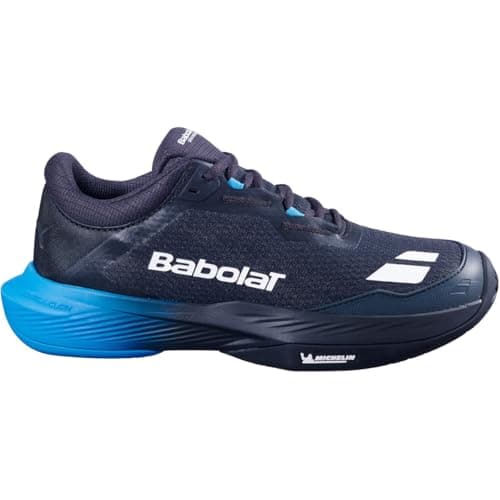 Babolat SFX 4 Pickleball A stability-focused platform with tennis heritage, built rugged for hard court. | Best for outdoor courts | 4.3/5 | $76.30Amazon |
| 05 | 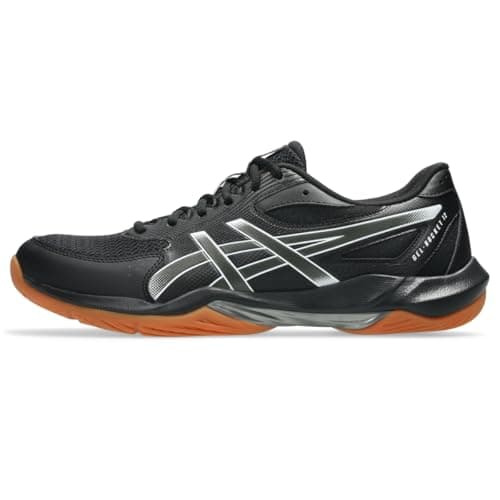 ASICS Gel-Rocket 12 A Trusstic System torsion shank through the midfoot - the spec that stops the sole twisting. | Best for torsional rigidity | 4.2/5 | $74.95Amazon |
| 06 | 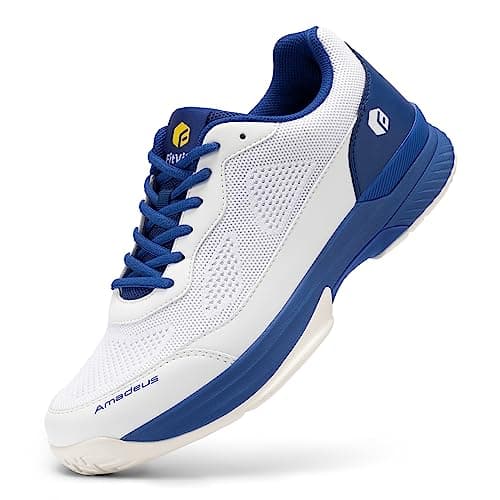 FitVille Wide Pickleball Wide and X-wide fittings with built-in arch support, so a broad foot sits inside the midsole. | Best for wide feet | 4.2/5 | $55.99Amazon |
#ad · Live prices from Amazon as of November 22, 2026; where we have no verified live price we show none. We may earn a commission — see our affiliate disclosure.
The verdict, up front: buy the Mizuno Wave Lightning Neo 3. It is the shoe for the player who wants the most hold available — it is the only shoe we carry that publishes a high-cut knit upper with an ankle wrap, over a full-length Wave plate and high-traction XG rubber. The budget pick is the ASICS Upcourt 6 at around sixty-five dollars, whose low, wide, lateral-stable platform delivers the single most important thing on this page for the least money. If you play indoors and outdoors on one pair, take the K-Swiss Express Light.
Every price below is live from our price layerwith the capture date on the button. These shoes are assessed on published construction, not on lab testing, and nothing on this page is medical advice — see the note before the picks.
What ankle support actually means in a court shoe
The intuition most people bring to this is "higher collar, safer ankle", and it is mostly wrong. A lateral ankle sprain happens when the foot inverts — rolls outward underneath you — usually in the split second after a sideways push-off. Three things decide whether that happens, and only one of them is the height of the collar.
Platform width.A wide, low sole gives the foot a bigger base to tip over before anything gives. This is why dedicated court shoes sit so much lower and flatter than running shoes, and why a thick, soft running midsole is actively dangerous on a court — our what not to wear post covers exactly that.
Torsional rigidity.If the sole twists along its length, the forefoot and heel can rotate independently and your ankle absorbs the difference. A midfoot shank — ASICS calls theirs Trusstic, Mizuno uses a full-length Wave plate — is the component that stops this.
Upper hold. A soft or badly fitted upper lets the foot slide sideways off the midsole, so the sole stays flat while your ankle goes over the edge. A snug midfoot and a structured heel counter matter more here than collar height.
A higher cut does add something, mainly proprioceptive feedback and a limit on extreme range. It is the fourth factor, not the first.
The three specs to read
On a product page, look for exactly these words. "Lateral support", "stability platform", "wide platform" — that is base width. "Torsion shank", "Trusstic", "Wave plate", "midfoot support bridge" — that is torsional rigidity. "Heel counter", "ankle wrap", "high cut", "midfoot cage"— that is upper hold.
Two things that look like support and are not: cushioning— more foam under a narrow platform makes rolling easier, not harder — and weight. A heavy shoe is not a stable shoe; the Mizuno here is a light shoe that happens to be the most structured.
And one that matters more than any of them: fit. A shoe half a size too big lets the foot move inside it, which defeats every feature above. If you have a broad foot, a standard-width shoe in a longer size is the worst of both worlds — which is why a wide-fitting option is on this list.
At a glance
The six side by side, by the three properties that matter. Specs are as published by each manufacturer; every row price-checks on the spot.
| Shoe | Upper hold | Torsional feature | Surface | Best for | Price |
|---|---|---|---|---|---|
| Mizuno Wave Lightning Neo 3 | High-cut knit with ankle wrap | Full-length Wave plate | Indoor | The most hold available | Check price |
| ASICS Upcourt 6 | Standard court upper | Low, wide, lateral-stable platform | Indoor | Spending the least | Check price |
| K-Swiss Express Light | Stable, supportive chassis | Supportive chassis + toe drag guard | Indoor and outdoor | One pair for everything | Check price |
| Babolat SFX 4 Pickleball | Rugged, built-to-last construction | Stability-focused platform | Outdoor hard court | Outdoor play | Check price |
| ASICS Gel-Rocket 12 | Synthetic upper with mesh panels | Trusstic System torsion shank | Indoor | Stopping the sole twisting | Check price |
| FitVille Wide Pickleball | Wide / X-wide fittings, arch support | Non-marking court outsole | Indoor and outdoor | Broad or high-volume feet | Check price |
#ad· Prices and availability change frequently — each button opens the live listing. We may earn a commission at no extra cost to you; see our affiliate disclosure.
Best for ankle support overall: Mizuno Wave Lightning Neo 3
Who it is for: the indoor player who wants every available structural feature in one shoe.
This is the only shoe we carry that publishes a high-cut knit upper with an ankle wrap, and it pairs that with a full-length Wave platethrough the midsole — a genuine torsional element, not a marketing name — plus XG rubber, Mizuno's high-traction indoor compound, and a Dura Shield toe. It comes from volleyball, which is the sport with the most violent lateral loading of any indoor game, and it shows.
| Type | Indoor court (volleyball) |
|---|---|
| Outsole | XG rubber, high-traction indoor compound |
| Midsole | MIZUNO ENERZY NXT with full-length Wave plate |
| Upper | High-cut knit with ankle wrap |
| Toe | Dura Shield friction protection |
| Best for | Indoor players who prioritize grip and stability |
What I like: it ticks all three properties on this page — hold, torsional rigidity and a grippy, stable base — and it is the only one that does. What gives me pause: it is the most expensive shoe here by a clear margin, the XG indoor compound will wear fast on outdoor concrete, and a high cut is not for everyone — some players find it restrictive at the ankle on a deep lunge. The indoor field is on best indoor pickleball shoes.
Budget pick: ASICS Upcourt 6
Who it is for: the indoor player who wants a genuinely stable base and does not want to spend much.
A low, wide, lateral-stable platform on a gum-style non-marking indoor outsole. That first phrase is the whole reason this shoe is here: platform width is the most important of the three properties, and this is the cheapest shoe we carry that is explicitly built around it. A women's version is also sold.
| Type | Indoor court (volleyball) |
|---|---|
| Outsole | Gum-style non-marking indoor rubber |
| Platform | Low, wide, lateral-stable |
| Fit | Standard; women's version also sold |
| Best for | Indoor pickleball on wood or sport tile |
What I like: it is the best value on this page, and the low wide platform is not a compromised version of anything — it is the correct geometry. What gives me pause: it is the thinnest on the other two properties — no published torsion shank, a standard court upper rather than a structured cage — and it is an indoor shoe, so outdoor concrete will chew the gum outsole. More options at this money are on best budget pickleball shoes.
Best all-round: K-Swiss Express Light
Who it is for: the player who owns one pair of shoes and plays wherever a court is free.
A pickleball-specific shoe with a stable, supportive chassis, a breathable lightweight upper and a reinforced toe drag guard— which is the detail that tells you it was designed for this sport rather than adapted to it. The chassis is the relevant part here: it is a structured midfoot-and-heel unit rather than a soft slipper with a rubber sole.
| Type | Pickleball-specific court shoe |
|---|---|
| Weight | Lightweight build |
| Upper | Breathable |
| Support | Stable, supportive chassis |
| Durability | Toe drag guard |
| Fit | Men's last; sizes and colors are separate listings |
What I like: it handles both surfaces, it has the toe guard that outdoor play destroys shoes without, and it has its own full reviewhere. What gives me pause: K-Swiss does not publish a torsion shank, and sizes and colours are separate Amazon listings, so check you are ordering the width and size you want — fit is a support feature.
Best for outdoor courts: Babolat SFX 4 Pickleball
Who it is for: the outdoor player on hard court, where the surface punishes the shoe as much as the shoe supports the foot.
Babolat comes from tennis, and the SFX is its stability line: a stability-focused platform, rugged built-to-last construction and a durable non-marking court outsole, in standard width. On outdoor concrete, durability and stability are the same conversation — a shoe whose outsole has worn unevenly sits crooked, and a crooked platform is a narrow platform.
| Type | Court / pickleball shoe (tennis heritage) |
|---|---|
| Support | Stability-focused platform |
| Durability | Rugged, built-to-last construction |
| Outsole | Durable non-marking court outsole |
| Best surface | Outdoor hard court |
| Fit | Standard width |
What I like: it is built for the surface that destroys shoes, from a brand with decades of tennis stability engineering, and it has a full review here. What gives me pause: standard width only, no published torsion element, and a tennis-derived outsole is firmer than an indoor gum sole on wood. The outdoor field is on best outdoor pickleball shoes.
Best for torsional rigidity: ASICS Gel-Rocket 12
Who it is for: the player whose shoes visibly twist, or who feels the sole working against them on a hard change of direction.
The feature to buy this for is the Trusstic System torsion shankthrough the midfoot — a rigid element that stops the forefoot and heel rotating independently. It also carries GEL cushioning in the heel and a ventilated synthetic upper, on a non-marking indoor outsole. Of the shoes here, it is the one where the torsional spec is named rather than implied.
| Type | Indoor court (volleyball, handball) |
|---|---|
| Outsole | Non-marking indoor rubber |
| Cushioning | GEL technology in the heel |
| Midfoot | Trusstic System torsion shank |
| Upper | Synthetic with mesh ventilation panels |
| Best for | Indoor players who want more underfoot cushioning |
What I like: a named, published torsional element at a mid price, with heel cushioning for long sessions. What gives me pause: heel GEL raises the stack a little, and stack height works against platform stability — it is a trade, not a free gain. It is also indoor-biased, and the upper is standard rather than structured.
Best for wide feet: FitVille Wide Pickleball
Who it is for: anyone whose foot overhangs a standard midsole, or who has been sizing up to get width.
This is on the list for a structural reason, not a comfort one. If your foot is wider than the shoe, the edge of your foot sits outside the midsole, and the sole then stays flat while your ankle goes over the edge of it. FitVille publishes wide and X-wide fittings with a wide toe box, structured arch supportand a non-marking court outsole — which puts a broad foot back inside the platform where it belongs.
| Category | All-court tennis / pickleball shoe |
|---|---|
| Fittings | Wide and X-Wide |
| Support | Arch support |
| Toe box | Wide |
| Best for | Wide feet, outdoor and indoor play |
What I like: genuine published fittings rather than a "roomy" claim, which almost nothing else in pickleball offers, at a sensible price. What gives me pause: FitVille is not a performance court brand — no published torsion element, no structured ankle feature — and Amazon sells width and size as separate child listings, so read the variant carefully before you order.
What a shoe cannot do
It cannot replace strength and balance work.The single-leg balance and calf work physiotherapists prescribe after an ankle sprain does something no shoe does. If ankles are a recurring problem for you, that is the conversation to have with a professional — our injury prevention guide covers what the general advice looks like, and it is not a shopping list.
It cannot fix a worn-out shoe.Every property on this page degrades. An outsole worn unevenly tilts the platform, a compressed midsole widens nothing, and a stretched upper stops holding. Court shoes have a usable life measured in months of regular play — see how long pickleball shoes last.
It cannot overcome the wrong shoe category. A running shoe has a narrow, tall, soft platform designed for forward motion. No amount of lacing makes that safe for lateral movement, and it is the most common footwear mistake in the sport by a distance. The general shoe ranking is on best pickleball shoes, and the buying framework is on how to choose pickleball shoes.
The bottom line
Want the most hold money can buy indoors? The Mizuno Wave Lightning Neo 3, the only shoe here with a published ankle wrap and a full-length Wave plate. Spending the least? The ASICS Upcourt 6 and its low, wide platform. One pair for indoor and outdoor? The K-Swiss Express Light. Outdoor hard court? The Babolat SFX 4. Want the torsion shank named on the box? The ASICS Gel-Rocket 12. Broad foot? The FitVille Wide— and get the fit right before you worry about anything else on this page.
Frequently asked questions
Do high-top shoes prevent ankle rolls in pickleball?
Not on their own, and collar height is the least important of the four factors. An ankle rolls because the platform under the foot is narrow, because the sole twists along its length, or because the upper lets the foot slide sideways off the midsole. A higher cut adds proprioceptive feedback and limits extreme range, which is a real but secondary contribution. The Mizuno Wave Lightning Neo 3 is the one shoe here with a published high cut and ankle wrap, and it also happens to have the best platform and torsion plate.
What should I look for in a pickleball shoe for ankle support?
Three phrases on the product page. For base width: lateral support, stability platform, wide platform. For torsional rigidity: torsion shank, Trusstic, Wave plate, midfoot support bridge. For upper hold: heel counter, midfoot cage, ankle wrap. Then get the fit right — a shoe half a size too large, or a standard width on a broad foot, defeats all three.
Are cushioned shoes better for your ankles?
No, and often the opposite. Cushioning raises the foot further from the ground and softens what it sits on, which makes the platform easier to tip rather than harder. That is exactly why running shoes are the wrong category for pickleball. Cushioning is a comfort and joint-load feature worth having — just not the one that keeps an ankle from rolling, and the two sometimes trade against each other.
Can pickleball shoes prevent an ankle injury?
We make no claim that they can, and no manufacturer on this page markets its shoe as injury prevention. What a court shoe does is give the foot a wider, flatter, more torsionally rigid base than a running shoe, which is the correct equipment for lateral movement. Strength, balance work and technique matter at least as much, and if you have had a sprain or have chronic instability, a physiotherapist or doctor is the right person to ask.
What is the best budget pickleball shoe for ankle support?
The ASICS Upcourt 6, at around sixty-five dollars. Its low, wide, lateral-stable platform is the most important of the three structural properties, and no cheaper shoe we carry is built explicitly around it. The compromises are the other two: no published torsion shank and a standard court upper rather than a structured one. It is also an indoor shoe, so outdoor concrete will wear the gum outsole quickly.
Sources
- Mizuno, ASICS, K-Swiss, Babolat and FitVille product pages for the six shoes above (platform, midsole, outsole, upper, shank and fitting details as published)
- Amazon listings for all six shoes above (availability and price verified through the site price layer)
Keep reading
Upgrading your paddle or gearing up to play?
See how we pick, then dig into the paddle roundups and buying guides — honest picks from someone who actually plays, with no inventory to move.